
Share the page
Ghana
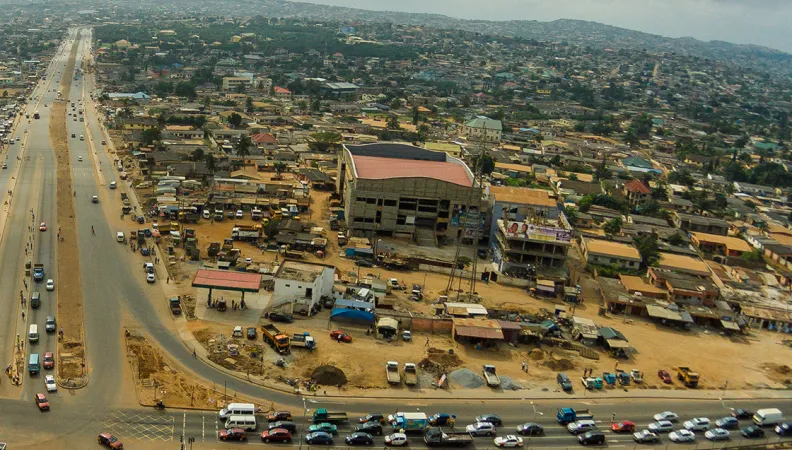
For 40 years, AFD has been active in Ghana—the first English-speaking country to host one of its offices. Historically, the AFD's commitments are targeting the energy sector, rural and agricultural development, urban development, and the financing of infrastructures and green and climate-impacts projects through support to the public banking sector. In response to security, social, economic and environmental vulnerabilities, AFD has intensified its intervention in northern Ghana.
Context
Ghana is considered one of the five most democratic countries in Africa: since the 2000s, the country has experienced peaceful political alternations between its two majority parties. In terms of governance, its indicators are among the strongest on the continent. Despite setbacks and weaknesses regarding judicial independence, the rule of law, and corruption, the country remains ahead of its peers in terms of voice, accountability, and political stability.
As a lower-middle-income country (LMIC), Ghana has experienced, since 2000, strong progress in its human development indicators, reaching a medium average of human development in 2011 (ranking 143rd in the Human Development Index in 2023). In 15 years, the country halved its poverty rate (47% in 2016; 89.5% in 1990), while remaining one of the most unequal countries in the region. However, the health crisis and the debt crisis in 2022 severely impacted the country: the poverty rate has significantly increased (nearly 50% in 2025 at the $3.65/day threshold).
However, recent signs of economic recovery are beginning to emerge, accompanied by increased efforts in social protection and inequality reduction, although their effects remain gradual and unevenly distributed.
AFD's active portfolio in Ghana includes 16 projects totaling over €202 million, primarily in urban and rural development. The agency also contributes to the growth of the banking sector through green and climate-impact projects. Additionally, Agence Française de Développement provides strong support to women’s entrepreneurship, thereby fostering personal development, advancing women’s empowerment, and strengthening local capacities.
Agence Française de Développement (AFD) began its operations in Ghana in 1985. Over the past three decades, the AFD Group has primarily supported the development of strategic infrastructure, particularly in energy and transport—as well as socio-economic initiatives, including private sector development, sustainable urban projects, and agriculture.
While continuing to operate in these sectors, AFD now seeks to refresh its engagement in Ghana by placing greater emphasis on gender equality and climate change mitigation, in alignment with the United Nations Sustainable Development Goals (SDGs).
AFD's current operations focus on loans to public enterprises and grants (mainly co-financed or delegated EU funds)
AFD in Ghana: over EUR 1.4bn committed over the past 30 years.
AFD’s office in Ghana reports directly to the Gulf of Guinea regional office based in Abidjan.
Our approach
"AFD and Ghana: advancing strategic infrastructure development and tackling inequalities"
AFD is reinforcing its strong partnership with key State-Owned Enterprises and investment funds in Ghana to help drive the country’s sustainable development ambitions. As part of this effort, AFD has signed a Credit Facility Agreement with the Ghana Infrastructure Investment Fund (GIIF), to finance infrastructure with social and climate co-benefits, alongside a Technical Assistance focused on building climate-related capacity. In the energy sector, AFD’s support is directed towards public operators such as GRIDCo and NEDCo, with the objective of strengthening regional energy security. This includes the construction of the 330kV Kumasi–Bolgatanga transmission line and substations, the upgrade of the 161kV Kumasi–Anwomaso transmission line.
People’s daily lives are considerably improved. The “Sustainable Cities” project, Tamale Urban Resilience, co-financed by the EU, is supporting approximately 10,000 residents in four neighborhoods of Tamale to better cope with rapid urbanization and climate-related challenges such as heatwaves and flooding. The initiative invests in the creation of green public spaces, improved sanitation, enhanced flood management infrastructure, and strengthened local governance. The Kumasi Road and Drainage Extension Project (KREDP) is contributing to improved mobility and greater flood resilience in Ghana’s second-largest city Through the upgrading of roads, walkways, and drainage systems, the project helps reduce travel time, improve access, and protect vulnerable communities. The construction of a new minibus station to replace an informal terminal further streamlines public transport.
AFD supports inclusive rural development in Northern Ghana, a region facing both socio-economic challenges and climate vulnerability. The Agricultural Water Management Project (AWMP) aims to increase 6000 farming households by rehabilitating and building small-scale irrigation infrastructure, such as dams and boreholes. The Better Farming in Northern Ghana (BETTER) project promotes sustainable agriculture by strengthening key value chains—shea, vegetables, soya, and beekeeping—while empowering women and youth.
AFD also partners with NGOs through initiatives such as the GAIM Project, led by Max Havelaar and FairTrade Africa, which is converting cocoa production into dynamic agroforestry systems to improve food security. The PARCS project, led by Acting for Life, enhances social cohesion in cross-border areas of Ghana, Togo, Benin, and Burkina Faso by supporting sustainable livelihoods and environmentally responsible practices.
AFD is helping to strengthen Ghana’s economy and vibrant entrepreneurial culture by creating sustainable jobs and promoting the socio-economic inclusion of the most vulnerable—particularly through a gender-transformative approach aimed at reducing gender inequalities and supporting women-led MSMEs.
The Cultural and Creative Industries sector is also thriving in Ghana and plays a key role in driving social inclusion, innovation, and youth employment—an area in which AFD has been increasingly active in recent years. A cooperation project between France and Ghana is also contributing to the growth of the music industry by strengthening copyright protection and building professional skills in music publishing. The initiative also includes prefeasibility studies to preserve and enhance the "Pavillon Rond," a heritage site, with the aim of transforming it into a cultural venue for music dissemination.
Beyond operational activities on the ground, the partnership between Ghana and AFD is also reflected in an ongoing dialogue on public policy.
Since 2020, the State Interests and Governance Authority (SIGA), the Public Investments and Assets Division (PIAD) of the Ministry of Finance, and AFD—with the technical expertise of Expertise France—have worked closely together through the Ghana SOEs Oversight, Reforms, and Governance (GHASORG) project to strengthen governance and efficiency in the public sector, with the aim of enhancing the oversight, transparency, and performance of State-Owned Enterprises (SOEs) in line with Ghana’s broader public sector reform agenda.
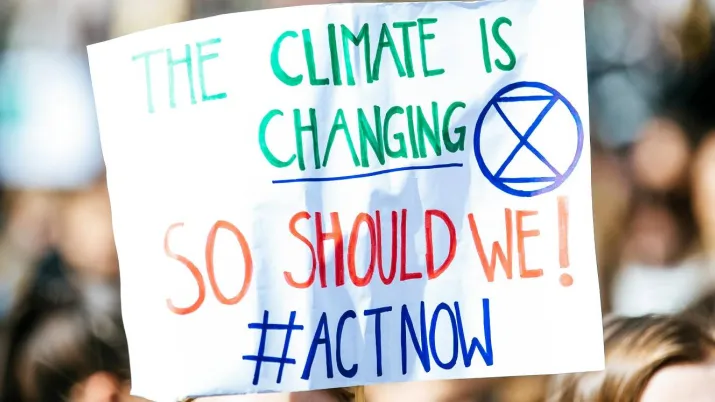
In the energy sector, technical cooperation has been established to support a low-carbon energy transition. This shared focus on climate-related issues is also reflected in the joint Global Shield against Climate Risks initiative, which aims to strengthen the financial protection of countries and populations most vulnerable to climate risks by facilitating access to pre-arranged and automatically triggered financing mechanisms in the event of disasters.
In partnership with the Bank of Ghana, AFD is financing a study, which addresses the financial stability challenges posed by the global transition to a low-carbon economy, as well as the physical risks associated with climate change.
In the field
Below, find the country's projects, news, publications, and contact details in one click.
Projects
News & Press Releases
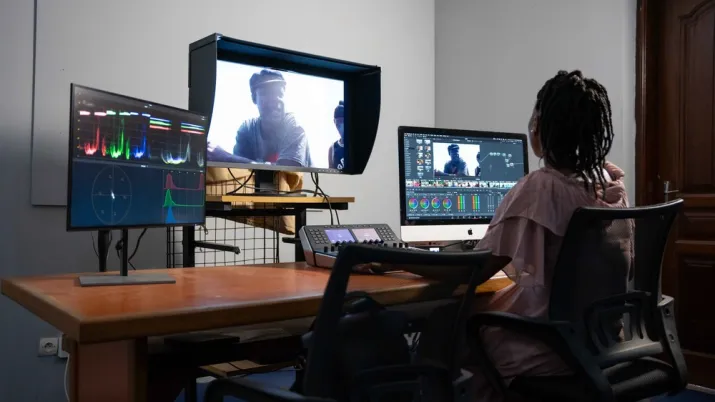
From local venues to screens worldwide, Africa’s cultural industries are booming
Published on May 7, 2026
“More tech companies are developing in Africa than in the rest of the world”
Published on June 8, 2023
Key figures
-
22 projects currently under implementation for a total amount of €267 million
-
200 million euros committed over the past five years
-
16 regional projects managed from headquarters or the Gulf of Guinea Regional Office (+€70M)