Partager la page

Forestry Sector Reform Program
Projet

-
Date de début du projet
-
État
En cours
-
Date de fin du projet
-
-
Durée du projet
-
15 years
-
Montant du financement AFD
-
41 200 000 €
-
Pays et Région
-
Type de Financement
-
Bénéficiaires
-
Republic of Moldova

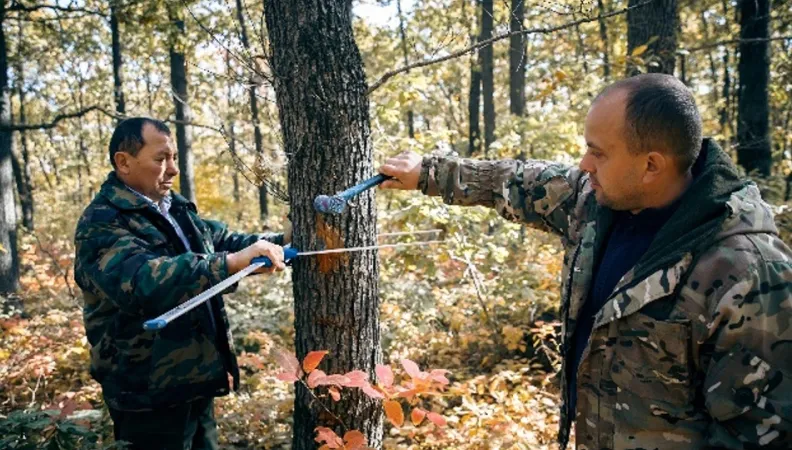
Faced with climate challenges and the need to preserve its forest heritage, the Republic of Moldova is embarking on an ambitious forestry sector reform. Supported by AFD, this program aims to modernize forest management, promote a sustainable economy, and strengthen the country's climate resilience
Context
Moldova's forest heritage is under threat from climate change and increased pressure from biomass demand. These forests are crucial for combating droughts and floods, making them a national priority. Moldova has committed to planting 100,000 hectares over 10 years as part of its reforestation program and Paris Agreement commitments. However, institutional, economic, and technical challenges hinder these ambitions.
Description
The first phase of this reform program (2023-2025) supports the modernization of the forestry sector in line with European standards. Key areas include:
- Legislative: Adoption of a new Forest Code aligned with EU regulations.
- Organizational: Restructuring the roles of public administrations and Moldsilva (the national forestry agency).
- Environment and Climate: Implementing silviculture practices that enhance carbon storage and biodiversity.
- Socio-economic: Developing a sustainable forest economy, creating jobs in rural areas.
- Operational: Efficient implementation of the national afforestation program.
- Capacity building: Providing continuous education and updating university curricula.
Impacts
AFD's support, unparalleled in scale and technical assistance, lays the groundwork for a successful reform and attracts future funding for the national reforestation program. These efforts will contribute to the development of a sustainable and profitable forest economy.
Objectifs de développement durable
Vie terrestre
Le quinzième objectif vise à mettre en place une gestion durable des écosystèmes terrestres (forêts et montagnes) en préservant la biodiversité et les sols et limitant les impacts de long terme des catastrophes naturelles. Il appelle à ce que la protection des écosystèmes et de la biodiversité soit intégrée dans les planifications nationales et stratégies de réduction de la pauvreté. L’ODD15 souligne l’importance de protéger les espèces menacées via une coopération internationale renforcée pour lutter contre le braconnage et le trafic et mettre en place des mesures de contrôle, voire d’éradication, d’espèces exotiques envahissantes néfastes pour les écosystèmes.