
Share the page
Ecuador
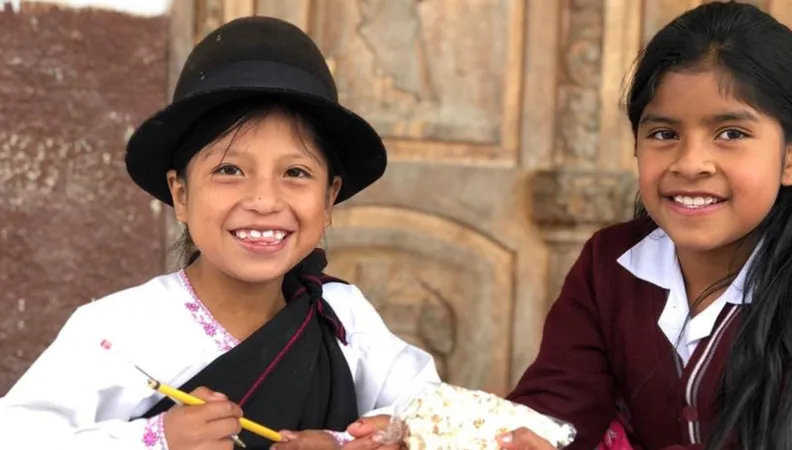
Located at the heart of global biodiversity, between the Andes, the Amazon and the Pacific Ocean, Ecuador is home to some of the richest yet most fragile ecosystems on the planet. Faced with the challenges of climate change, ocean protection and biodiversity preservation, the country is committed to a sustainable transition that also aims to strengthen access to water, sanitation, education and inclusive public services. Alongside its partners, AFD Group supports Ecuador on this path, mobilizing financing, expertise and cooperation to build a resilient and united future.
Context
Located between the Andes, the Amazon and the Pacific Ocean, Ecuador is one of the most biodiverse countries in the world and a key player in addressing climate challenges and ocean protection. Its constitution, which has recognized the rights of nature since 2008, enshrines a vision of development in harmony with the environment, grounded in civic participation and an equitable distribution of wealth. Yet the effects of climate change, pressure on ecosystems and economic vulnerabilities remain major challenges that call for collective and innovative responses.
Present in the country since 2015, AFD Group supports Ecuador in this ecological and solidarity-driven transition, with more than 560 million dollars mobilized in essential sectors such as water, sanitation, energy, transport, education and post-earthquake reconstruction, as well as European grants directed towards strategic projects. Today, the Group's action places particular emphasis on biodiversity protection, the fight against climate change and ocean preservation.
Our approach
AFD and Ecuador: promoting green and solidarity-driven growth
AFD supports Ecuadorian local authorities, the Decentralized Autonomous Governments (DAGs), in strengthening their drinking water and sanitation networks, developing sustainable mobility, and improving solid waste management and treatment. These actions aim to guarantee the population's access to essential services, strengthen food security and promote a healthier environment. Three flagship projects are currently underway:
- A credit line to the Development Bank of Ecuador (BDE), a public bank financing local authorities, to fund DAG investment projects for the benefit of urban resilience (transport, parks, drinking water, solid waste, etc.);
- An investment project with the public cleaning company of the city of Cuenca, EMAC, to improve integrated solid waste management, including infrastructure rehabilitation and environmental education initiatives;
- The second phase of the EMAPAG investment project, the public drinking water company of Guayaquil, for the extension of drinking water and sanitation networks in the north-eastern districts of the city.
Since 2019, the AFD has been developing in Ecuador, together with its public partners and civil society, a varied program of biodiversity protection and support for sustainable food systems:
- A financing of 100 million dollars to support the public policy on conservation and sustainable use of the oceans in Ecuador. This program contributes to strengthening sector governance, enhancing the conservation, restoration and management of marine and coastal areas, as well as promoting the social, economic and environmental sustainability of the fishing and aquaculture sector.
- A bioeconomy program totaling more than 140 million dollars, aimed at consolidating the national public bioeconomy policy with the Ministry of the Environment, and supporting, through CONAFIPS and savings and credit cooperatives, local investment, the development of bio-entrepreneurs and their value chains, as well as the marketing of their products;
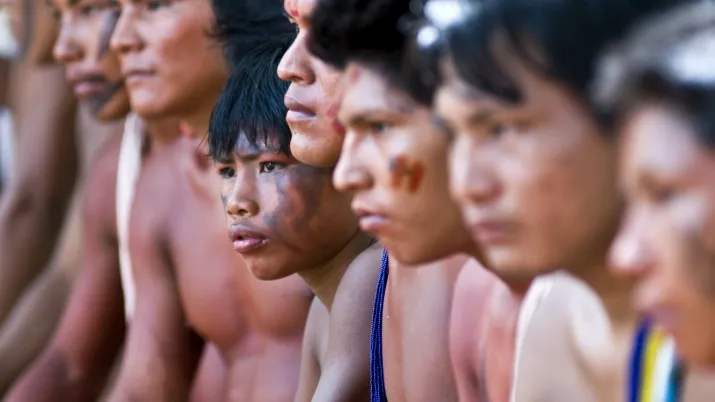
- Regional program in the Amazon basin, implemented with civil society organizations to protect the forest, defend the rights of indigenous peoples and nationalities living there, and support local development to ensure dignified livelihoods.
- A support project for the Ministry of Agriculture (MAG) aimed at strengthening its institutional capacities through the establishment of the National Agricultural Registry (RENAGRO), a national database of agricultural production units. This tool will facilitate public decision-making.
AFD has set a target of 100% of its financing contributing to the fight against inequalities and discrimination in Ecuador.
As a result, the AFD supports several projects led by civil society organizations, providing assistance to vulnerable groups in their pursuit of economic and social stability, as well as the protection of their rights and sexual and reproductive health. Particular attention is paid to migrant women and host communities in the province of Pichincha, to facilitate their access to housing and economic integration.
The AFD also supports the Ecuadorian government and public banks such as CONAFIPS, to strengthen public policy on gender equality and promote women's access to financial independence and empowerment.
Finally, the AFD finances the Ministry of Housing (MIDUVI) for the construction of new social housing, already intended for more than 4,500 vulnerable families across the country.
Ecuador has recently gone through an energy crisis of unprecedented scale, marked by lengthy blackouts that have severely affected the national economy. This situation highlights the need to invest in sustainable and resilient energy solutions. The country faces a dual challenge: securing its energy supply and achieving its ecological and low-carbon transition in line with the commitments of the Paris Agreement. The AFD Group supports these efforts alongside public and private institutions through several financing instruments.
- With the Ministry of Energy, the AFD Group is leading an investment project for the extension and reinforcement of the electricity distribution network, in order to encourage the use of electricity over fossil fuels;
- With the Galapagos Government Council, the AFD Group is steering an initiative financed with the support of the European Union, to rehabilitate public infrastructure and make buildings more energy-efficient;
- Finally, the AFD and Proparco are considering financing projects to diversify the country's energy mix, through the construction of wind farms or photovoltaic power plants, or the modernization of existing infrastructure.
The AFD supports the work of NGOs in the fields of agriculture and food security (Agronomes et Vétérinaires sans Frontières), human rights (the Enfance sans Barreaux program with BICE) and economic inclusion (Groupe Développement – Acting For Life).
Following the earthquake, AFD launched a call for projects to respond to the emergency. We are thus supporting new NGO initiatives:
- The REACTIV project by the NGO Acting For Life, which aims to revitalize the local economy in the aftermath of the earthquake.
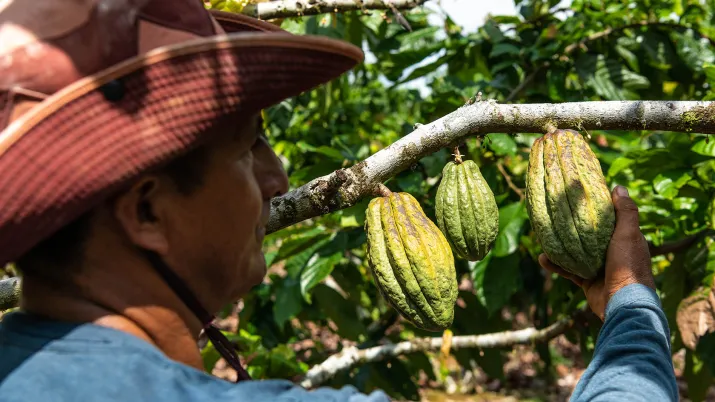
- A project supporting small organic and fair-trade cocoa producers, led by the NGO Agronomes et Vétérinaires Sans Frontières.
In the field
News & Press Releases

Key figures
-
1.2 billion USD invested by AFD Group in Ecuador since 2015
-
40 projects carried out in 10 years
-
7 main sectors of intervention: biodiversity and agriculture, transport and sustainable energy, water, sanitation and solid waste, sustainable finance, housing, and the social sector.