Share the page
8 things to know about Official Development Assistance
Published on

Official Development Assistance (ODA) measures the public financing provided by governments to promote economic development and improve living conditions in developing countries. It has been the international benchmark for foreign assistance since 1969. But its scope is not always well understood. Here are eight things to know.
This article was originally published in April 2019 and updated on 2 September 2026.
1. Official Development Assistance supports underserved sectors
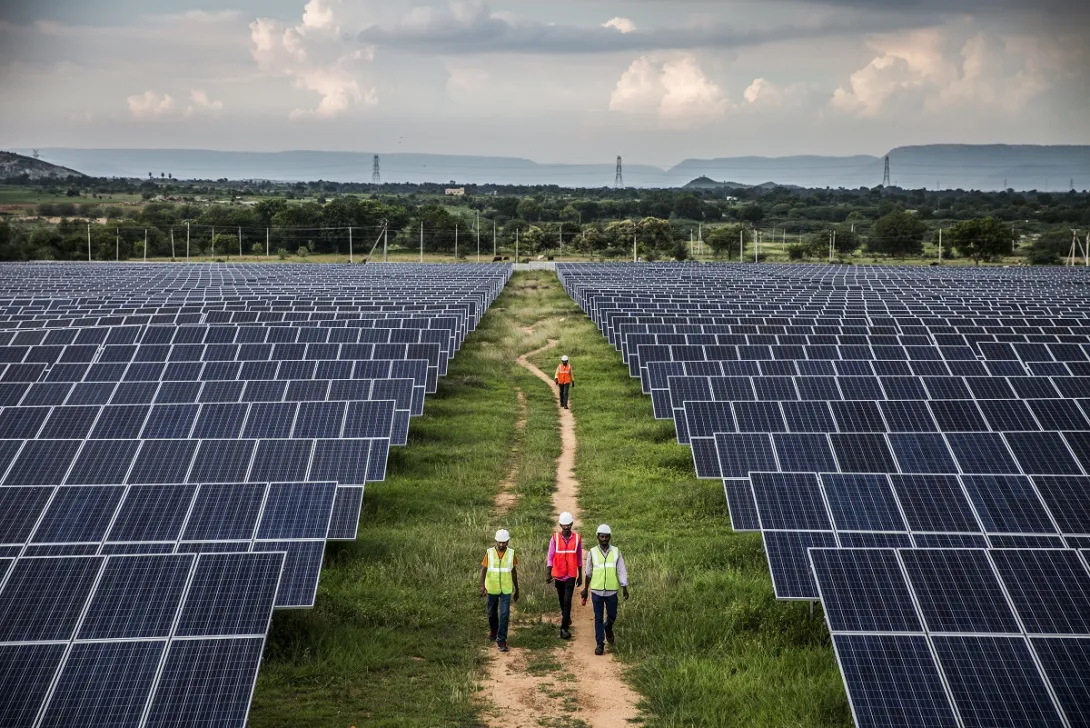
Improving action against climate change, advancing women’s rights, expanding access to health care, and providing education for children with disabilities in the least developed and most vulnerable countries are among the United Nations Sustainable Development Goals (SDGs).
In practice, however, projects in these areas do not always receive the financing they need. Some countries struggle to borrow on financial markets, while private investors may consider such projects unprofitable. Other governments can step in by providing grants or loans at preferential rates to finance these priorities. This is known as Official Development Assistance (ODA).
Public financing often helps mobilize additional public and private actors, multiplying the resources available to support vulnerable populations and ecosystems. Like any public policy, this comes at a cost. In 2026, the French government’s contribution to AFD Group’s activities represents €1.2 billion in commitment authorizations, equivalent to 0.07% of total expenditure by the French government and public administrations. But over the medium and long term, these investments also generate significant benefits for people in France and for international stability.
2. Official Development Assistance is not the only way to support countries’ development
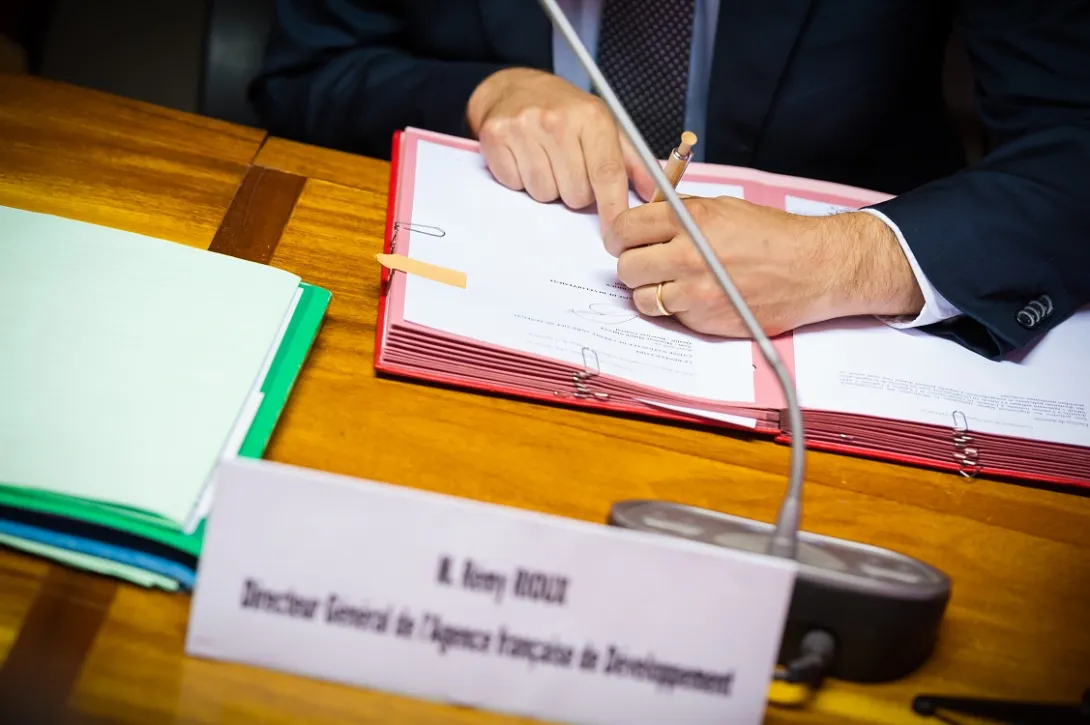
Official Development Assistance is recorded by the Organisation for Economic Co-operation and Development (OECD) according to strict criteria. Worldwide ODA totaled $214 billion (€180 billion) in 2024, most of it in the form of grants.
But ODA is not the only way to support the Sustainable Development Goals. Within AFD Group, one of the actors in France’s development cooperation ecosystem, ODA in the strict sense accounts for less than 10% of activity.
Most AFD Group financing takes the form of loans. These are generally offered on more favorable terms than partner countries can obtain on financial markets. They finance development projects in partner countries while also helping cover AFD’s operating costs. In 2025, AFD Group committed more than €10 billion in loans, compared with just €0.8 billion in grants.
This activity is financed through borrowing on financial markets (€8.2 billion), resources from other donors (€0.5 billion), and, to a lesser extent, funding from the French government budget. This model generates significant leverage: for every €1 contributed by French taxpayers, AFD mobilizes and invests €12 in support of France’s priorities and the mutual interests it shares with its partners.
“In some cases, the desired impacts can be achieved at a lower cost to the public budget through a loan rather than a grant,” says Thomas Melonio, Chief Economist and Executive Director of Innovation, Strategy and Research at AFD.
This is why France increasingly refers to solidarity- and sustainability-driven investment (SSI), a broader concept encompassing both ODA and other forms of support, including loans, guarantees, and technical assistance.
3. It also benefits France and French citizens

Development activities generate different kinds of benefits for people in France. Some stem from the involvement of French economic actors internationally. Between 2020 and 2025, contracts supported by AFD Group generated nearly €12 billion in economic benefits for French companies. French international solidarity organizations supported by AFD now employ 50,000 people in France and internationally, compared with around 35,000 in the early 2010s.
AFD is also an instrument of French diplomacy. In response to crises from Ukraine and the Middle East to Armenia and Moldova, AFD implements projects that support France’s diplomatic priorities. AFD is also one of the world’s leading providers of climate finance, helping strengthen France’s position in international climate negotiations.
Other benefits come from addressing major global risks, including climate change, biodiversity loss, the international spread of viruses, and insecurity at Europe’s borders.
“Development finance, whether Official Development Assistance in the strict sense or solidarity- and sustainability-driven investment, strengthens France’s international position and its capacity for diplomatic action,” says Thomas Melonio. “We aim, as far as possible, to select financing that will have a strong sustainable development impact while also serving France’s strategic interests.”
4. France has its own approach to development assistance
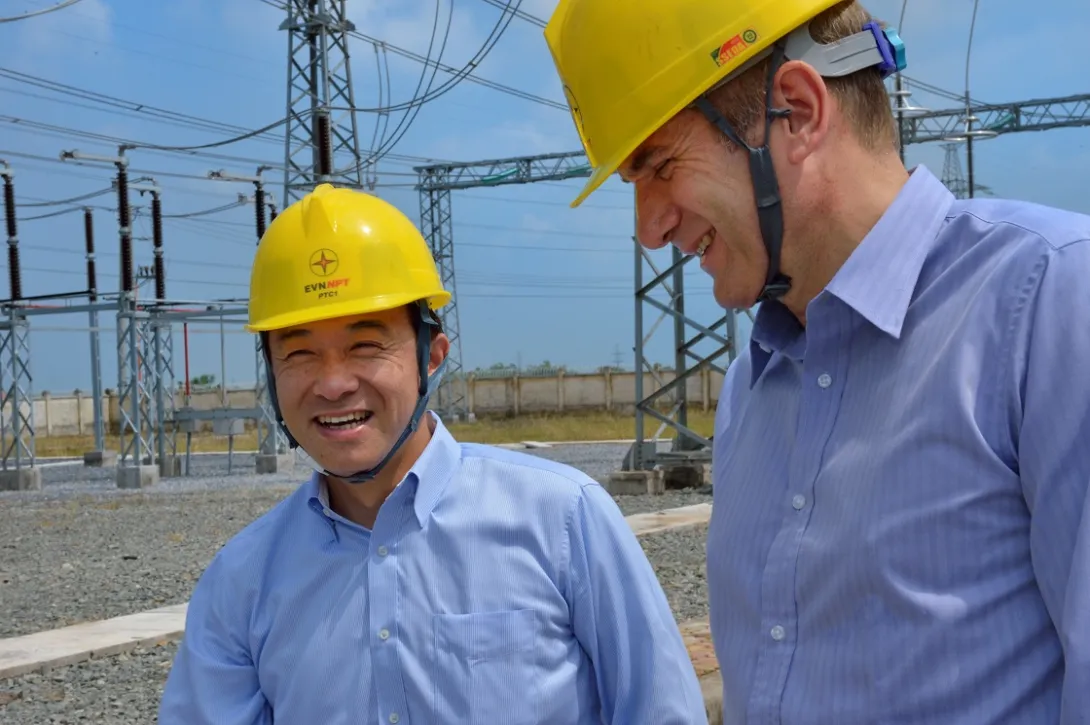
France is one of the few countries whose solidarity- and sustainability-driven investment combines grants and loans.
“One advantage of AFD Group is its ability to mobilize all the instruments available, including technical assistance, private sector investment, and public sector financing,” says Thomas Melonio. “The idea is to have the instruments needed to implement our policy, rather than allowing our instruments to dictate our policy. This enables us to achieve the greatest impact at the best cost.”
France’s current development assistance policy was defined by France's Interministerial Committee for International Cooperation and Development (CICID) in July 2023 and is structured around 10 priority objectives.
5. Governments are not the only actors
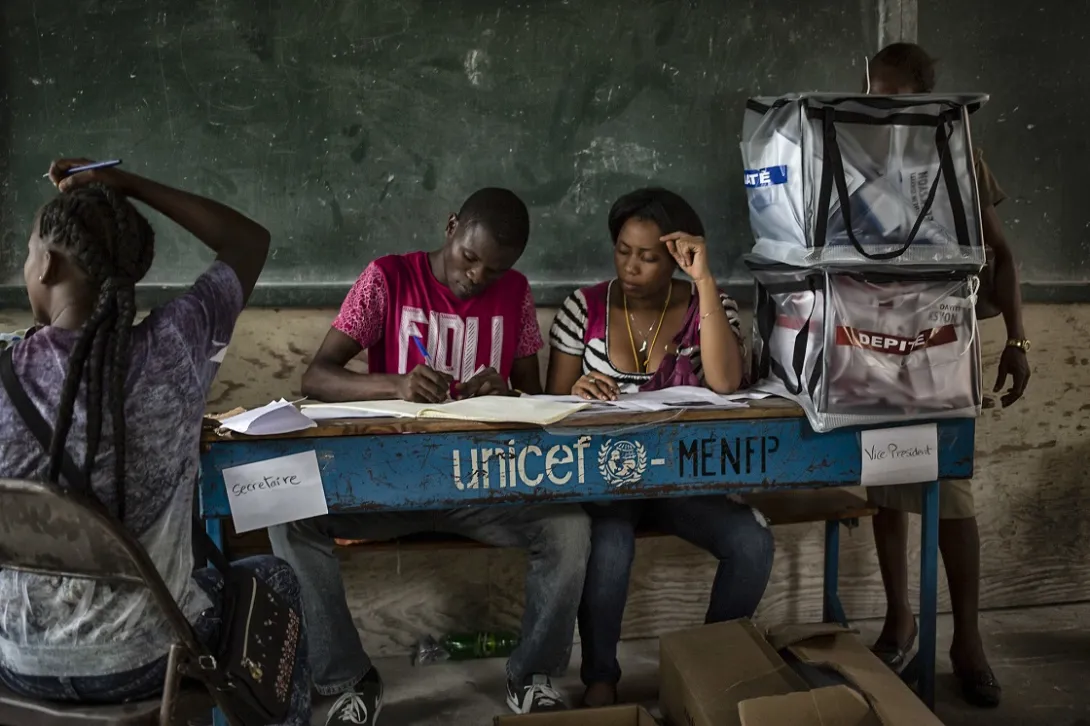
Countries providing solidarity- and sustainability-driven investment channel a significant share of it through multilateral institutions. These include the World Bank, United Nations agencies such as the United Nations Development Programme, UNICEF, FAO, and the UN Refugee Agency, as well as “vertical” funds specializing in a particular objective, such as the Global Environment Facility, the Global Fund to Fight AIDS, Tuberculosis and Malaria, and the Green Climate Fund.
Regional development banks also play an important role among multilateral financial institutions, including the African Development Bank, Asian Development Bank, and Inter-American Development Bank.
6. Many organizations are involved in France
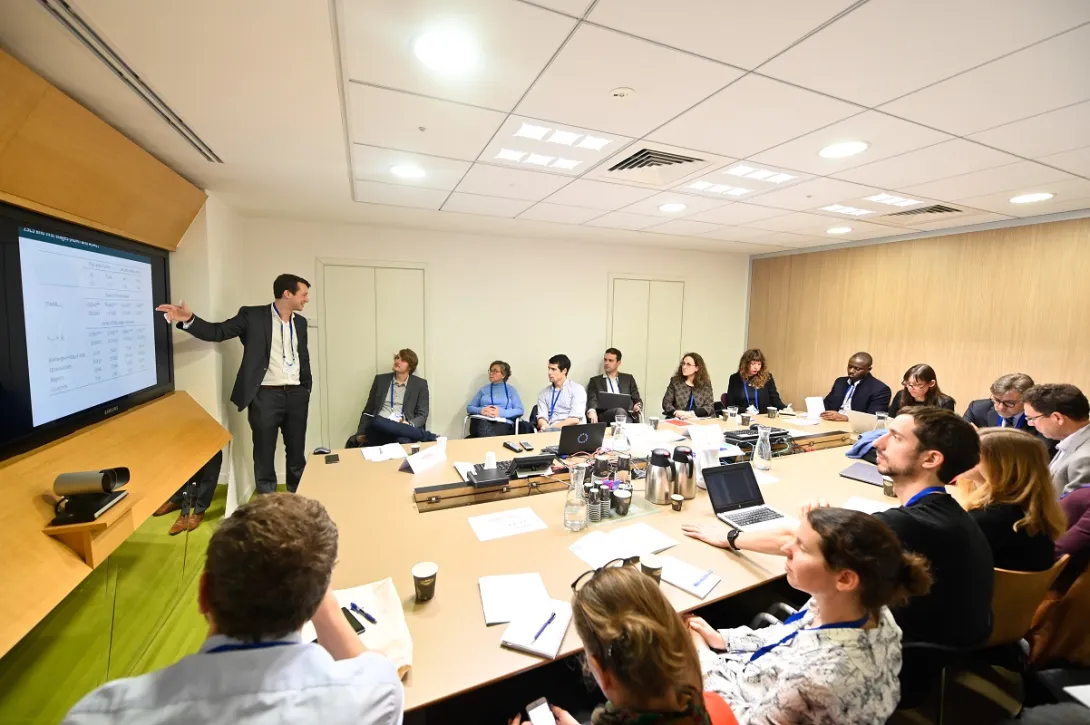
As both a bank that raises financing on private markets and an agency that awards grants on behalf of the French government, Agence Française de Développement (AFD) is the main institution implementing France’s international development policy.
It is not the only one. The French Ministry of Foreign Affairs, as well as the ministries responsible for the economy and finance, national education, the interior, the armed forces, labor, and agriculture, also play an active role.
Development assistance also mobilizes French companies, local authorities, NGOs, experts, and research institutes.
7. Public investment accounts for only part of development finance
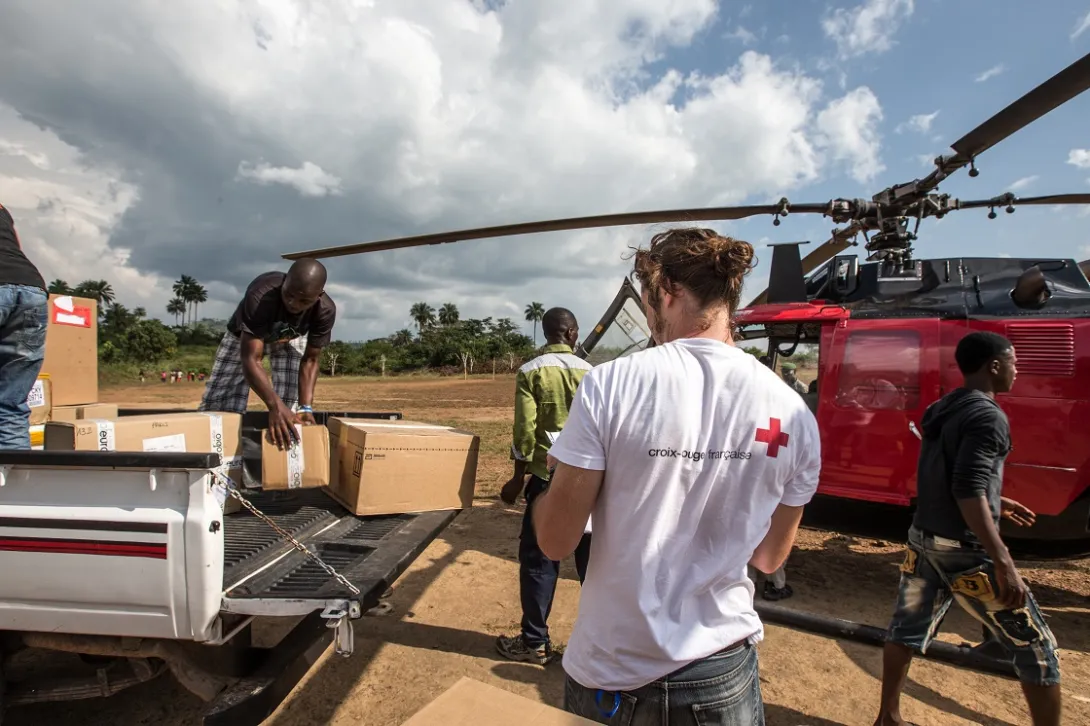
Beyond Official Development Assistance, and solidarity- and sustainability-driven investment more broadly, other sources account for a large share of development finance. These include remittances sent by people living abroad to families in their countries of origin, which totaled $656 billion in 2023 according to a World Bank estimate, as well as private and philanthropic investment.
“We co-finance projects with major international public and private banks and foundations. We also work in complementarity with NGOs,” says Thomas Melonio.
But the main financial resources available to countries for their development, particularly middle-income countries, are domestic. Gross fixed capital formation amounts to around $10 trillion a year in these countries, far exceeding total international inflows of approximately $2 trillion.
Solidarity- and sustainability-driven investment is modest in comparison with these amounts. Its primary role is therefore to help redirect financing, both toward the poorest and most vulnerable countries and toward economic activity that is more closely aligned with the Sustainable Development Goals.
8. … and it generates additional growth in recipient countries
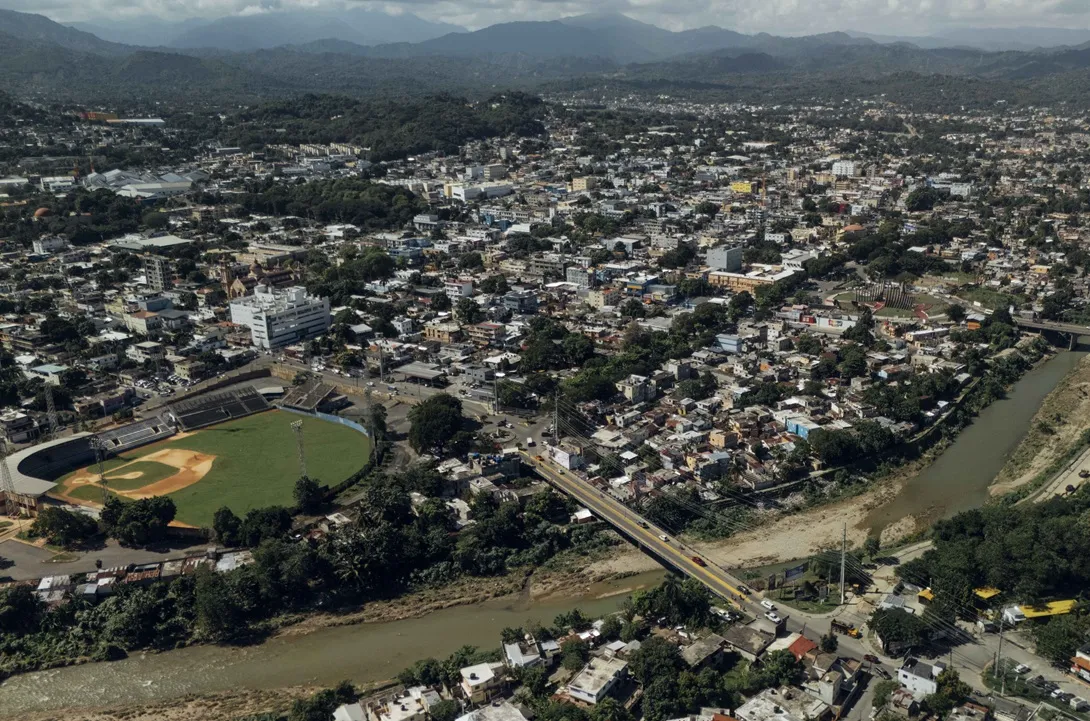
Three researchers from the University of Copenhagen estimated in a study published in 2010 that international assistance contributed an additional percentage point of economic growth in developing countries.
“When financing is provided to a country, it is because that country stands to gain an economic, social, or environmental benefit,” says Thomas Melonio. “It is important to remember that access to capital is more difficult for these countries.”
The impact of assistance on people’s lives can also be measured through more concrete indicators, such as vaccination and school enrollment rates.
Evaluation is a cornerstone of accountability at AFD. It provides essential evidence for decision-making and helps strengthen the results and impacts of projects financed by AFD Group. In 2025, the Group consolidated its results monitoring system around 22 key indicators.
More news
Serbia and Albania: projects driving closer integration with the European Union
Published on September 14, 2026
Climate change: a MOOC for more sustainable construction in the Mediterranean
Published on September 7, 2026
Development or climate action? Rethinking the choice at "La Fabrique de la Diplomatie"
Published on September 7, 2026