Share the page
Morocco: students find power and purpose through sport
Published on
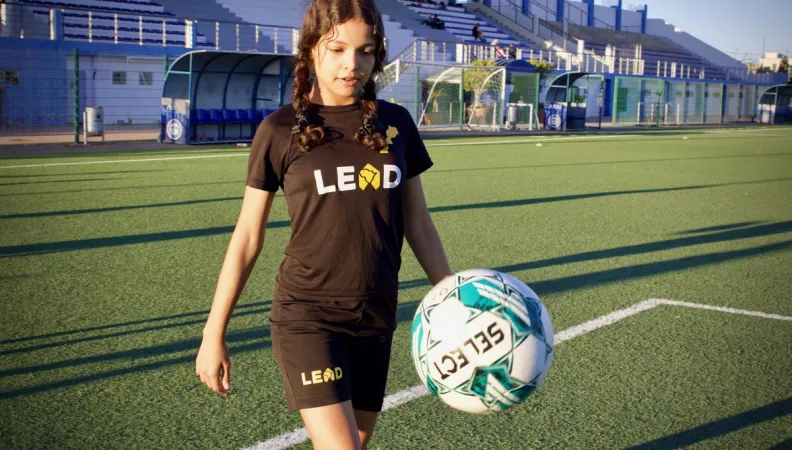
Located near Casablanca, the LEAD Morocco Academy is helping children from underprivileged communities grow through football: building discipline, teamwork, and confidence for the future.
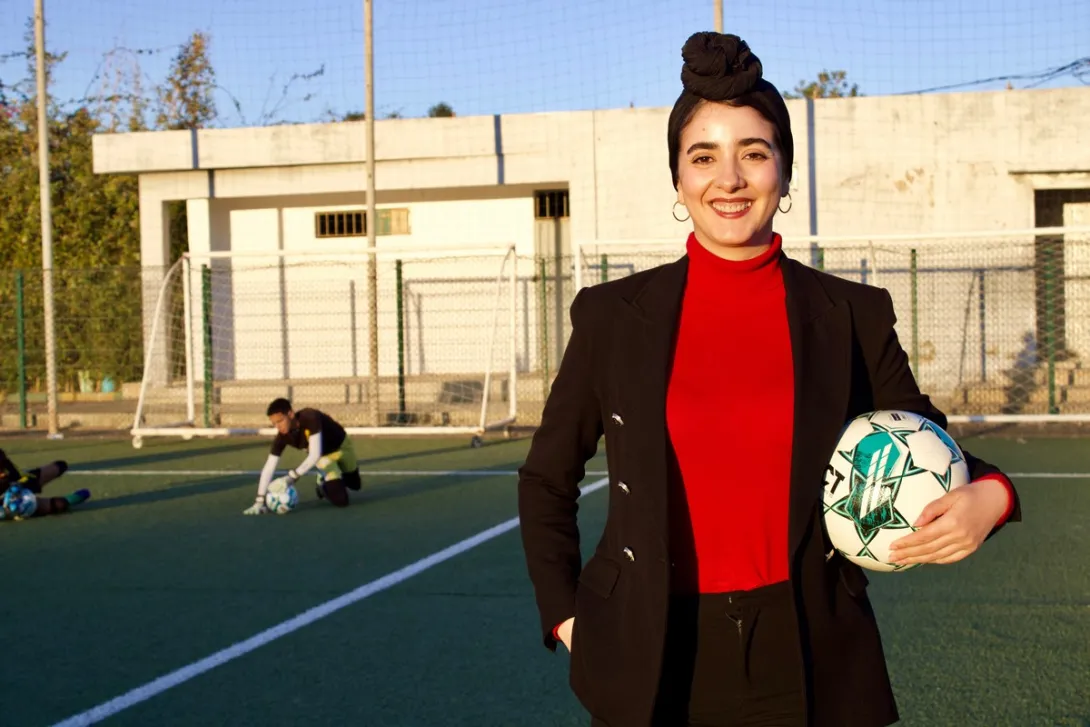
LEAD Morocco has built its classrooms next to the El Mansouria municipal stadium in the Casablanca region of Morocco. This afternoon, around twenty children are learning Arabic in front of an interactive whiteboard. 139 student-athletes, from primary to high school age, follow two curriculums, attending public school in the morning and the academy in the afternoon. The academy's original teaching method is based around football, however, the idea is not for all of its beneficiaries to become future sports champions. "Values and skills can be learned through sport in quite a natural way. Through this passion for football, we can shape future citizens,” says Fatima-Azzahra Benfares, director of programs and co-founder of the organization, established in 2019 and supported by AFD through the Sports Academies program.
Subtitles available in English
Thirteen-year-old Khadija already has plans for her future career: "I think becoming a soccer coach is a good option for a girl," she says with a big, mischievous grin. Unfortunately, not everyone agrees with her, as she is all too aware. "It's a problem for some people. They ask why a girl like me wants to become a coach instead of doing something else."
While certain areas of society still question women's place in football, gender equality is a central focus at the academy. Students attend mixed training sessions until the age of thirteen, and safe spaces have been created to help foster gender equality.
Learning together
When students are asked what they have learned from the academy, the word "discipline" always comes up. Sport teaches them about issues like conflict management and respect, and improves their social skills. "It helps shape our personalities," says Malek, who joined the program six years ago. "I'm an only child, but the academy students have become my brothers and sisters. We spend a lot of time together, just like siblings."
Over time, the student-athletes learn to assert themselves and gain self-confidence. "We run developmental sports sessions where we talk about all the challenges that young people from difficult backgrounds may face," says Fatima-Azzahra Benfares.
Sports director of LEAD Morocco for the past five years, Hamza Ammor has witnessed the transformation in students. "The results speak for themselves; we see a profound change in our students. At first, some are very shy, they don’t speak, and then these same students gradually learn how to express their opinions, and to lead their classmates on the field and in the classroom."
Thirteen-year-old Omar has thrived during his time at the LEAD Academy. "To achieve your goals and dreams, you need to be very confident in yourself. Here, we can make our dreams come true,” says the young boy.
Growing national momentum with football idols and exemplary role models
The Moroccan national football teams have recently gone from strength to strength: winning the U20 World Cup, the U17 Africa Cup of Nations and a bronze medal at the Paris Olympic Games. Individual stars have also emerged among both the male and female players, including Achraf Hakimi and Ghizlane Chebbak, who both won the African Player of the Year award.
“Since the 2022 World Cup (Editor’s note: when the Atlas Lions made the semi-finals), I think the mindset has shifted, in a way that goes beyond football,” says Fatima-Azzahra Benfares. "There is a drive for excellence, and a realization that it sometimes takes years for a project to bear fruit: Morocco began investing football in 2008, and it took a long time to reap the rewards."
Malek loves dancing and rollerblading, even more than football. But, just like her classmates, she has been inspired by the success of the Moroccan national team. "You have to work hard and give it your all to achieve great things. I want to become a photographer and make documentaries about the difficulties of life in the villages." Malek’s ambition is aligned with the LEAD Morocco Academy's mission: to train future leaders who will in turn become agents of change in their own communities.
Khadija also sees herself in her “idols,” and believes she can achieve the same levels of excellence: "These are people who have come from the same background and overcome the same obstacles, especially the women who face many barriers in society."
As the kingdom prepares to host the Africa Cup of Nations on December 21, 2025, as well as co-hosting the 2030 World Cup, Fatima-Azzahra Benfares believes that the LEAD Morocco Academy is part of a "national drive to develop programs that will leave a human legacy", and to ensure these major events become "true catalysts for development."