Share the page
Preparing for climate risks: how the AFD helps prevent disasters
Published on
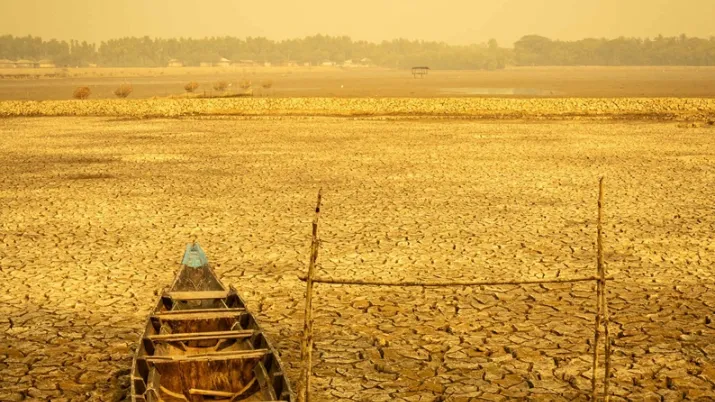
As droughts, wildfires, floods and storms become more frequent, how can we reduce risks and better protect people and the places they live? At COP31, the AFD Group is highlighting the financing and expertise it provides worldwide to anticipate risks, help communities prepare and limit the impacts of disasters.
Preparing for climate risks: how the AFD helps prevent disasters
As droughts, wildfires, floods and storms become more frequent, how can we reduce risks and better protect people and the places they live? At COP31, the AFD Group is highlighting the financing and expertise it provides worldwide to anticipate risks, help communities prepare and limit the impacts of disasters.
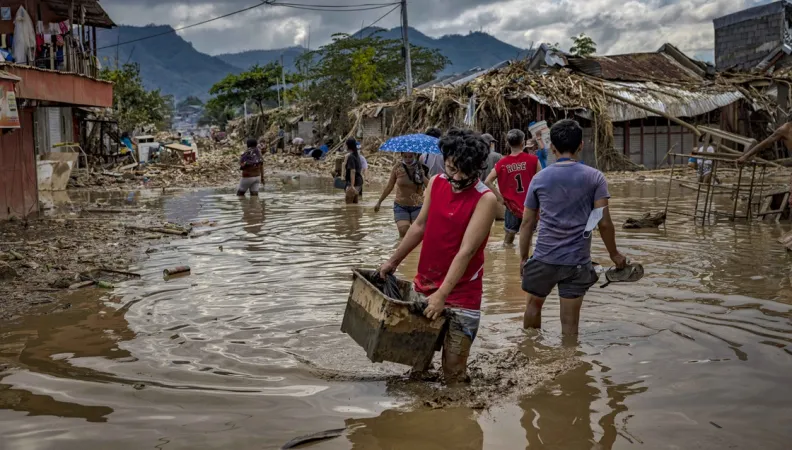
In November 2025, two powerful typhoons, Kalmaegi and Fung-wong, struck the Philippines just days apart, causing devastating floods and landslides. Nearly 300 people died, and millions were affected.
While climate change is making many extreme events more intense and frequent, the scale of the resulting damage is not inevitable. Incorporating prevention and adaptation into local development and key sectors such as agriculture, water, health, energy and transport, while improving disaster preparedness, can save lives and limit damage. It can also prevent a single storm or flood from wiping out years of development progress.
The AFD Group works across every stage of this process: reducing risks before disasters strike, adapting to long-term changes in the climate, preparing communities and critical infrastructure, meeting financial and material needs in the aftermath, and supporting reconstruction that better withstands future hazards.
This approach brings together the Group’s three entities: the AFD, which supports and finances development projects; Expertise France, which provides technical expertise; and Proparco, which works with private businesses.
Mitigating climate change to limit future risks
Every fraction of a degree matters. According to the Intergovernmental Panel on Climate Change (IPCC), the more the planet warms, the more frequent and/or intense certain extreme events, such as heat waves and floods, become. Cutting greenhouse gas emissions is therefore essential to prevent existing risks from worsening.

To address the causes of global warming, the AFD Group supports renewable energy, energy savings and cleaner transport. It also helps protect forests and soils, which naturally absorb some of the CO₂ in the atmosphere, through reforestation, sustainable agriculture and ecosystem conservation projects.
But cutting emissions is not enough. We must also address the risks already present, which will grow as climate change makes hazards more intense and frequent.
Adapting and preparing to reduce disaster risks
Understanding current and future risks, and identifying the most vulnerable people and the critical services exposed to them, makes it easier to anticipate and prevent damage when disasters strike. Prevention and adaptation measures, such as nature-based solutions, raising buildings above flood levels and earthquake-resistant construction, can save lives, as can helping residents prepare and ensuring they receive warnings in time.
In the Philippines, the AFD supports the DRREALL program through a policy-based loan, alongside technical assistance funded by the European Union and implemented by Expertise France. The program helps local authorities put the national disaster risk reduction strategy into practice. It supports them in identifying current and future risks, developing adaptation and prevention strategies, and improving disaster preparedness and response. Together, these measures help protect residents, critical infrastructure and the environment, while supporting resilient development over the long term.
Across the Caribbean, Indian Ocean and Pacific regions, the AFD also supports the French Red Cross through the Three Oceans project, which strengthens preparedness and response to natural disasters and health emergencies. With €12 million in new funding in 2025, its third phase includes further training and support for emergency responders and local communities. The project has already helped teach more than 46,000 schoolchildren in the Indian Ocean region about disaster risks and develop storage facilities for emergency supplies in the Caribbean.

In Turkey, Proparco invested $20 million in 2026 in Uludağ Enerji, which distributes electricity in four provinces exposed to wildfires. Nearly 40% of the company’s five-year investment budget is earmarked for strengthening the grid against heat waves and wildfires. The aim is to reduce the risk of electrical equipment starting fires and to limit power outages.
Responding to disasters and rebuilding for greater resilience
Even substantial investment in prevention, adaptation and preparedness cannot eliminate every impact of a disaster. When one strikes, a rapid response must go hand in hand with support for long-term recovery: helping residents, repairing roads, restoring access to healthcare, water and electricity, and rebuilding homes. Arranging support and financing in advance makes resources available immediately after a disaster and helps prevent public funds from being exhausted.
In Ecuador, the AFD supports the Development Bank of Ecuador (BDE) through a loan to finance disaster-resilient infrastructure. Part of this funding can also be released when a natural disaster strikes, through what is known as a “contingency mechanism.” This allows the BDE to make funds available more quickly to local authorities and the other organizations it finances, helping them meet immediate needs and then rebuild infrastructure better suited to current and future risks.
The AFD Group also supports insurance solutions through the Integrated Disaster Risk Management Alliance (IDRIMA). With €4.4 million in funding for 2024–2028, the initiative helps participating organizations better understand their exposure to disaster risks and potential losses, and find ways to transfer some of the financial risk to the private sector so they can better manage unexpected costs.
In South Africa, for example, IDRIMA is helping Cape Town design insurance against the impacts of flooding. The proposed policy would trigger a payout when rainfall reaches a specified threshold, without waiting for a full assessment of the damage. If introduced, it could give the city faster access to funds to restore essential infrastructure, without drawing on budgets set aside for maintenance.
Preventing and reducing disaster risks, having resources ready to respond, and rebuilding in ways that improve preparedness for the next disaster: these principles guide the AFD Group’s work. At COP31, they underscore a priority: investment in prevention and preparedness is essential to reduce the growing impacts of disasters on people, economic activity and the environment.
Read more
What role does AFD Group play in international environmental negotiations?
Published on October 7, 2026
“Climate adaptation should be seen as a pathway, not a collection of solutions.”
Published on October 2, 2026