Share the page
Local Policies for the Conservation of the Bolivian Amazon for-est
Project
-
Project start date
-
Status
Ongoing
-
Project end date
-
-
Project duration
-
3 years
-
AFD financing amount
-
€ 1 000 000
-
Global financing amount
-
€ 1 250 000
-
Country and region
-
Location
-
Pando
-
Type of financing
-
Beneficiaries
-
Conservación Amazónica - ACEAA
-
Type of beneficiary
-
CSO
In Bolivia, Pando’s Amazonian forests remain well-preserved thanks to a forest-fruit economy, yet face growing pressure from human activities such as farming, mining, and effects of cli-mate change. Drawing on its experience, Conservación Amazónica – ACEAA promotes the elaboration of community- and Civil Society-driven norms to strengthen sustainable biodiver-sity conservation and forest management and empower rural communities, women, and youth to participate in the definition of subnational conservation policies.
Description
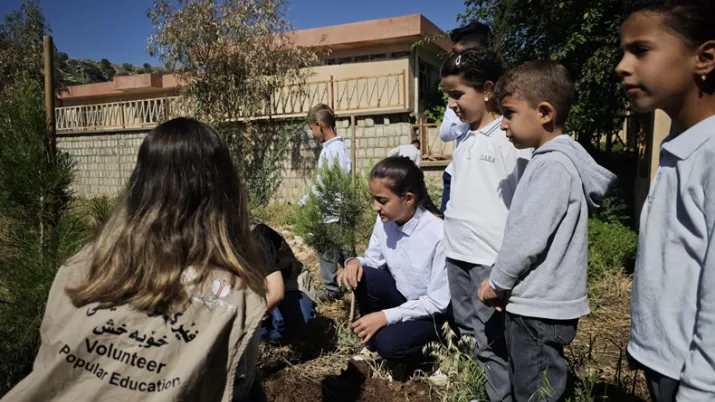
The project seeks to strengthen the role of civil society in conserving the Amazonian forests of Pando, where many families rely on the sustainable use of forest fruits. To face current threats such as livestock expansion, mining, and climate change, the initiative supports capacity building of communities, women, and youth to develop and exercise their own rules and proposals for managing their territories. This includes improving access to information, expanding local knowledge on biodiversity and natural resources management and policies, and building community agreements that protect biodiversity and strengthen their resilience and abilities to respond to risks such as climate change.
At the same time, the project works closely with municipal and departmental authorities so that the proposals from Civil Society are considered to define subnational plans and policies. The aim is to build stronger ties between communities and institutions, improve governance, and ensure that forest conservation remains the foundation of development in Pando.
Partners
The project will work closely and strengthen the capacities of social organizations representing vulnerable civil society groups, who will benefit from public policies for Amazon forest conservation and development. ACEAA will also work closely with subnational institutions at municipal and departmental levels as strategic partners for implementing local policies, along with supporting institutions that contribute to development and conservation efforts.
These actions are complemented and supported by operational and financial partnerships, primarily through the RE-WILD Project and the Conservación Amazónica – ACEAA Local Empowerment Program.
Impacts
The project will strengthen knowledge for the sustainable management of biodiversity and forests in a climate-change context across over one million hectares of Amazon forest. It will promote local policies emerging from communities and territorial actors, reflected in six subnational planning instruments. The effort will benefit 2,060 people directly and 10,513 indirectly through training, norms, dialogue, and better resource management.
Conservación Amazónica - ACEAA
The project will be led by Conservación Amazónica – ACEAA, a Bolivian NGO with more than 12 years of experience in amazonian forest conservation through the sustainable management of ecosystems, the empowerment of local inhabitants, and the promotion of science and technology, building a legacy of resilience and hope for future generations
Sustainable Development Goals
Partnerships for the Goals
Goal 17 promotes effective partnerships among governments, the private sector, and civil society that are essential to achieving the SDGs at global, regional, national, and local levels. These partnerships must be inclusive, built on shared principles and values, and place people and the planet at their core.