
Share the page
Biodiversity
Our commitment
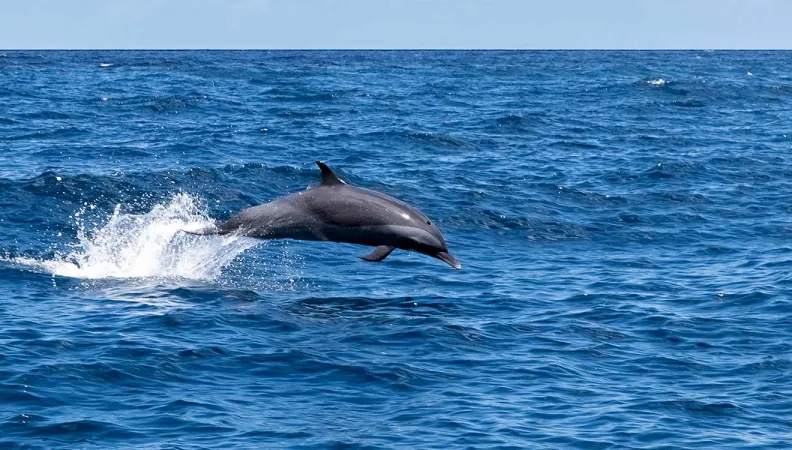
Over-exploitation of natural resources, the extinction of animal and plant species, destruction of natural environments, climate change, pollution: the pressures on biodiversity are increasing and its degradation continues, with a considerable impact on populations and economies. The Covid-19 crisis has cast our relationship with nature into even sharper relief, and calls on us to alter our course of action.
A priority just as crucial as the climate, protecting biodiversity is central to AFD's actions. To halt the loss of biodiversity and protect ecosystems, AFD is supporting the restoration and sustainable management of natural areas, with and for the benefit of local populations. AFD integrates this dimension in all its development policies.
Our approach
Agricultural and forestry expansion into natural areas, unsustainable land-use practices, climate change, and urban sprawl – these factors continue to drive the loss of biodiversity worldwide. This accelerating decline is weakening nature’s ability to support human well-being and the richness of life on Earth. According to the Intergovernmental Science-Policy Platform on Biodiversity and Ecosystem Services (IPBES), a sixth mass extinction is underway. The 20 Aichi Targets, adopted in 2010, were not met.
This erosion of biodiversity directly affects more than 3.2 billion people. The annual cost of lost ecosystem services to the global economy is estimated at over 10% of global GDP. In light of this alarming situation, biodiversity has emerged as a challenge as critical as climate change. It is now central to negotiations related to achieving the goals of the Paris Agreement and the 2030 Agenda.
Reversing this trend requires far-reaching changes and mobilization at both national and international levels. The international agenda has continued to gain momentum. The new Global Biodiversity Framework was negotiated during the 15th Conference of the Parties (COP15) to the Convention on Biological Diversity (CBD), held in December 2022 in Montréal.
Convinced that the conservation and sustainable management of ecosystems are not only possible but also drivers of inclusive and lasting growth, Agence Française de Développement (AFD) is promoting a pro-nature economy. This means rethinking land use and production systems to make them more sustainable, and, crucially, mobilizing greater investment for biodiversity. In 2022, AFD committed €736 million to biodiversity-related initiatives.
AFD and biodiversity: protecting, restoring and managing ecosystems, with and for the benefit of the population
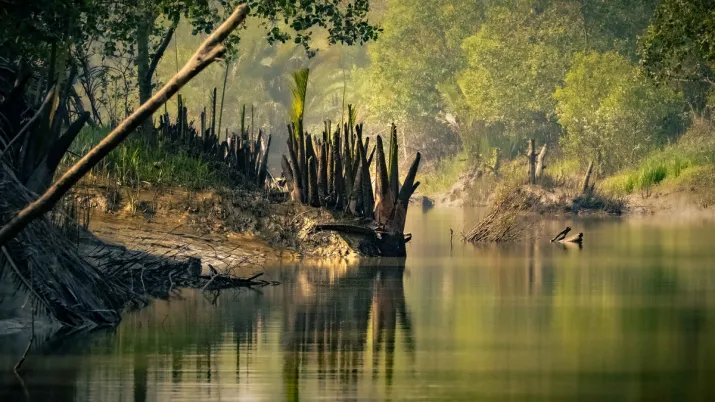
AFD Group takes a global approach to biodiversity, supporting both restoration when ecosystems have been degraded and protection when they are under threat. To secure these efforts over the long term, AFD backs initiatives focused on the designation, expansion, and management of marine and terrestrial protected areas, such as Mohéli National Park in the Comoros, Assam in India, and the Indo-Burma biodiversity hotspot.
Because protecting natural areas is inseparable from the well-being of the people who depend on them and their ability to manage resources collectively, AFD promotes responsible, participatory land use planning. The projects it finances involve local communities, who benefit directly. In Burkina Faso, a program is working to improve food and nutrition security for rural households in the Boucle du Mouhoun and East regions. In the Amazon, the TerrIndigena project supports the preservation of the forest, its biodiversity, and its Indigenous peoples. In the Indian Ocean, the EXPLOI project aims to shift behaviors and engage businesses in the fight against plastic pollution.
AFD contributes to several international funds, including the Blue Action Fund, which supports ocean conservation, and BaCoMaB, which helps safeguard the integrity of Mauritania’s marine and coastal protected areas. It is also a member, alongside KfW, of the Clean Oceans initiative launched in 2018 by the European Investment Bank (EIB), which finances projects to reduce plastic waste in rivers and oceans.
To ensure the sustainability of actions aimed at protecting biodiversity, the AFD group promotes better management of natural areas, sustainable methods of using resources (forests, fishing, agriculture, hunting) and enhancing the value of products from these uses. AFD therefore supports, at national or regional level:
- Sustainable management of forests with forest policies that enable the protection of ecosystems, the renewal of exploitable species and the fair division of forestry products, such as in Türkiye to integrate biodiversity in forest policy, or in Gabon to promote sustainable forest management.
- More responsible fishing industries to limit overfishing and illegal fishing, with fishery development policies based on scientific data on fish stock dynamics, long-term management and the sharing of advantages between the different stakeholders in the sector.
- Agriculture that is more respectful of the environment, resilient to climate change and less dependent on chemical inputs: adoption of agricultural and aquaculture production methods that are more ecologically intensive, use less fossil energy and make the best possible use of resources.
To foster virtuous forms of economic, sanitary and social development, AFD intends to take greater account of biodiversity in all its activities. Since 2013, ecological impact has been one of our criteria in awarding funding for projects.
Biodiversity issues are cross-cutting issues. Our objectives: to ensure that projects linked to other spheres of intervention (energy, water, sustainable cities, transport, sport, etc.) do not cause any net loss of critical habitat biodiversity and that they produce co-benefits in terms of biodiversity.
Taking better account of biodiversity in our activities also implies increasing financial commitments. AFD's Biodiversity Intervention Framework 2013-2016 set a target of committing €160 million a year to biodiversity. The Interministerial Committee for International Cooperation and Development (CICID), for its part, set a new target in 2018 of €320 million a year.
In 2018, the amount of funding devoted to our biodiversity activities reached €446 million, a substantially larger sum than that of 2017 and the new target set by the CICID.
In its countries of operation, AFD Group works with all stakeholders involved in biodiversity protection. It offers support to governments, ministries, local authorities, and civil society through:
- Decision-making tools and strategic guidance, including support for the development of national sectoral strategies, the establishment of resource monitoring systems, and regulatory control mechanisms.
- Capacity-building programs to ensure that stakeholders have the skills and resources needed to fulfill their missions. This includes, for example, support for shared water resource management in the Democratic Republic of the Congo.
The private sector also has a key role to play in addressing biodiversity challenges and minimizing the impact of its activities on ecosystems. AFD:
- Engages companies in key sectors (industry, forestry, agriculture, transport) to help develop economically viable solutions that better account for natural capital.
- Provides green credit lines to support the environmental upgrading of businesses, as well as to finance ecotourism or sustainable supply chain projects, through initiatives such as the SUNREF label.
International mobilization is indispensable to achieve the Aichi Biodiversity Targets and the Sustainable Development Goals (SGDs). AFD acts in partnership with all the key organizations: International Union for Conservation of Nature (UICN), Institute for Sustainable Development and International Relations (IDDRI), NGOs like WWF France and Conservation International, Wildlife Conservation Society, etc. Not forgetting the French Facility for Global Environment (FFEM), a preferred partner of AFD for biodiversity funding.
To better meet the needs of its partners, AFD supports the internationalization of French expertise in the areas of conservation and sustainable management or exploitation of natural areas and resources. We have, for example, initiated a partnership between the national parks of Xianju in China and the Ballons des Vosges in France in order to share the French model of national park management.
On the ground
Below, you’ll find projects, news, and publications related to this topic.
News & events
Why does France’s development bank finance climate action in other countries?
Published on October 7, 2026
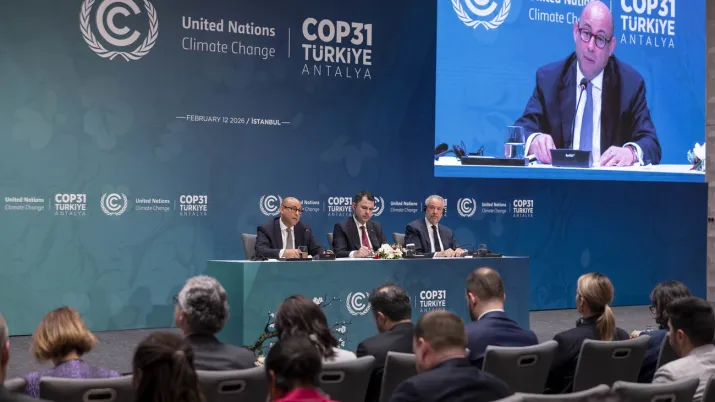
What role does AFD Group play in international environmental negotiations?
Published on October 7, 2026
Related topics

Key figures
-
€1.2 BN in financing committed by AFD Group in 2024 in developing countries and in French Overseas Territories
-
750,000 people benefit from actions to conserve or restore biodiversity