
Share the page
France, Aga Khan Foundation and Gates Foundation Open New Oncology Unit in Kilifi County, to Address Women’s Cancer in Coastal Kenya
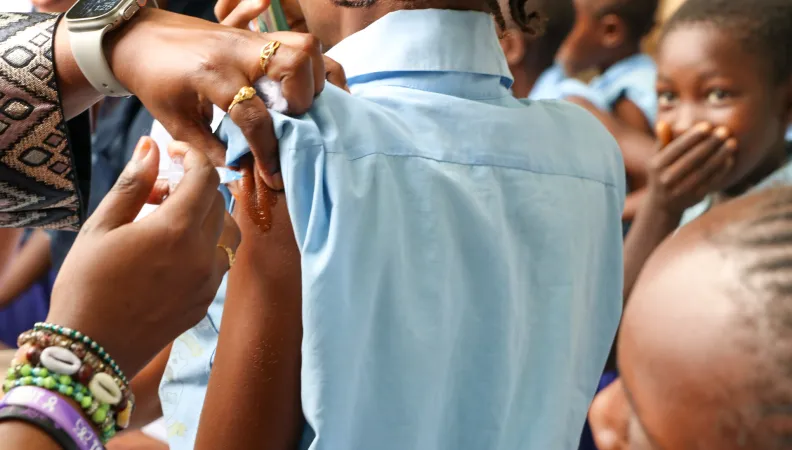
Kilifi, Kenya, 18 June 2026 - Kilifi County Referral Hospital has officially opened a new Oncology Unit, marking a major milestone in expanding access to quality cancer care for women and girls in Kenya's coastal region. The unit was constructed by Aga Khan Hospital, Mombasa, through the East Africa Comprehensive Women Cancer Project (EA-CwCP), in collaboration with the Kilifi County Department of Health and Sanitation Services, as part of a €10.2 million joint investment by Agence Française de Développement (AFD), the Gates Foundation, and the Aga Khan Foundation.
Cancer is a growing crisis across East Africa, disproportionately affecting women, many of whom are diagnosed only at advanced stages when treatment options are limited. In Kenya, more than 44,000 new cases and over 27,000 cancer-related deaths are recorded every year.
The new facility will enhance the county’s ability to deliver a full range of cancer care services and reduce the need for long-distance travel in search of specialized treatment.
Launched in 2025, the project spans Kenya and Tanzania, operating across Kilifi and Mombasa, and Kisumu and Homa Bay counties in Kenya. It aims to improve access to cancer prevention, vaccination, screening, treatment, research, and care for women and girls in underserved communities. In Kenya alone, early results are already significant: 374,693 girls aged 10–14 have received complete HPV vaccination, 69,653 women have been screened for breast and cervical cancer, and over 1.2 million people reached through cancer awareness campaigns.
During the inauguration of the new facility, representatives from the partner organizations highlighted the critical role of collaborative investment in strengthening local healthcare systems. They underscored the importance of ensuring that cancer services are accessible, affordable, and patient-centered, particularly for underserved communities.
“This Oncology Unit marks a significant milestone in bringing specialized healthcare services closer to our people. For many years, patients and their families have faced immense challenges, including long and costly journeys in search of treatment. This facility will greatly reduce that burden, ensuring that cancer care is accessible, timely, and more affordable for our communities. It also represents our strong commitment as a county to strengthen healthcare delivery, invest in critical infrastructure, and improve the quality of life for our residents. Through this partnership, we are not only expanding services but also building a more resilient health system that can better respond to the needs of our people across Kilifi County and the wider coastal region,” Governor of Kilifi County H.E. Gideon Mung’aro, said.
“We are here today to witness the strength of partnership—an achievement made possible through shared vision, trust, and sustained collaboration. This oncology unit stands as a powerful symbol of what can be accomplished when partners come together with a common purpose. It reflects our collective commitment to ensuring that access to quality healthcare is never limited by geography or ethnicity, and that every individual, regardless of where they live, can receive timely and life-saving care,” said H.E. Amin Mawji, the AKDN Diplomatic Representative to Kenya.
Ambassador of France to Kenya, H.E. Arnaud Suquet said: “This new oncology unit in Kilifi is more than a building; it is an investment in dignity, equity and access. France's support, through AFD, alongside the Aga Khan Foundation, the Gates Foundation and our Kenyan partners, we are helping to bring quality cancer care closer to communities that need it most, while strengthening prevention, early diagnosis and treatment. Today’s inauguration shows what partnerships can achieve when they are rooted in local priorities and focused on people. France remains committed to working with local governments to build resilient and inclusive healthcare systems because access to quality healthcare should not depend on where one lives. Together, we are delivering tangible progress for healthier and more resilient communities.”
“This oncology unit reflects our enduring commitment to supporting Kenya in building resilient, inclusive, and equitable health systems that leave no one behind. By investing in locally accessible cancer care, we are helping to ensure that more people can receive timely diagnosis and treatment—critical factors in improving survival outcomes. Beyond infrastructure, this initiative represents a long-term investment in people, systems, and communities. It strengthens local capacity, reduces inequalities in access to care, and contributes to healthier, more resilient communities. Ultimately, it is through partnerships like these that we can save lives, improve quality of care, and support sustainable development across the region,” said Ms Anne-Gaël Chapuis, AFD Kenya Country Director.
“Expanding access to early detection and quality treatment is essential to reducing the cancer burden. Through partnerships like this, we are working to ensure that women and vulnerable populations have access to the care they need—when and where they need it,” said Sam Mulyanga, Senior Program Officer of the Gates Foundation.
About the EA-CwCP project
The East Africa Comprehensive Women Cancer Project (EA-CWCP) is a regional partnership initiative fuded by Agence Française de Développement (AFD), Gates Foundation and Aga Khan Development Network (AKDN) through Aga Khan Foundation (AKF). Building on a successful first phase implemented in Tanzania, the project expanded to Kenya in 2025 through public-private partnerships formalised with the Counties of Kilifi and Homa Bay. The project draws partnershifrom Aga Khan Health Services, East Africa (Kenya and Tanzania), Aga Khan Foundation, Aga Khan University and Institut Curie of France, designed to strengthen prevention, early detection, and treatment of women’s cancers, particularly breast and cervical cancer, and HPV vaccination among school aged girls in East Africa.