Share the page

Cashew and macadamia sectors - ACAMOZ II project
Project

-
Project start date
-
Status
Ongoing
-
Project end date
-
-
Project duration
-
4 years
-
AFD financing amount
-
€ 4 000 000
-
Country and region
-
Location
-
Zambézie and Niassa provinces
-
Type of financing
-
Beneficiaries
-
République du Mozambique
-
Type of beneficiary
-
State

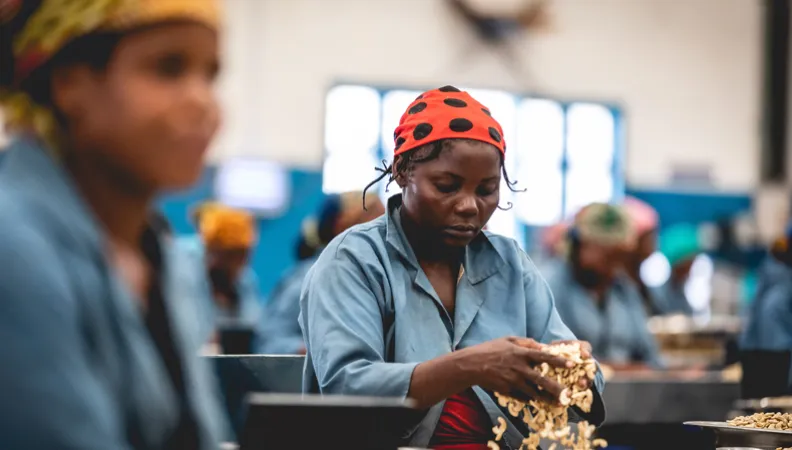
Improve the competitiveness of cashew and macadamia value chains in Zambézie province (Gilé, Gurué and Pebane districts) and Niassa by combining support for sector governance, economic and social development of value chains and preservation of natural resources and land productivity.
Context
Mozambique is one of the poorest countries on the African continent, with particularly wide disparities between rural and urban populations. At the same time, the country possesses a wealth of natural resources and many key areas of biodiversity on a continental and global scale. The agricultural sector, and in particular the cashew and macadamia value chains, present numerous opportunities for reconciling the economic development affecting the most vulnerable rural populations with the sustainable preservation of natural resources and biodiversity.
Description
This project acts at different levels: i) institutions, ii) territories, iii) farms, in order to accompany and accelerate the agro-ecological transition of the cashew and macadamia sector, and to propose a sustainable model of rural development in the districts covered, which can be replicated at national level in Mozambique.
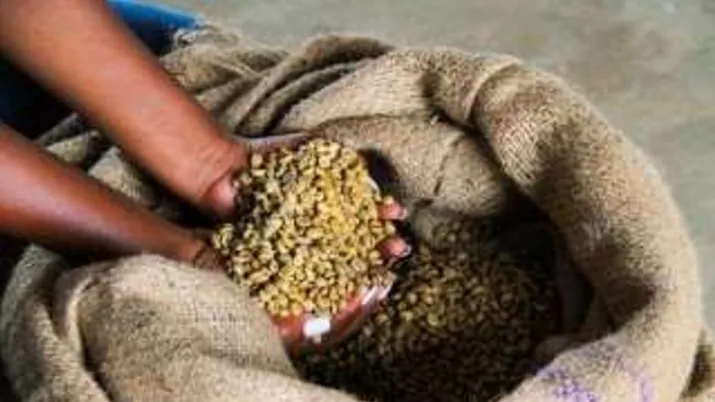
The activities carried out should benefit 3,000 new family cashew nut producers (40% of whom are women from Zambézie province) and macadamia producers in Gurué district and Niassa province, with the aim of increasing their incomes by 20% by the end of the project.
This project will capitalize on the first phase of the ACAMOZ project (CMZ1147) by consolidating the logic of improving the structuring of value chains according to an agro-ecological transition approach that will make it possible to reconcile the protection of ecosystems with improved incomes for small producers and gender equality in a strengthened and more transparent institutional context led by the IAM,IP.
Impacts
The project focuses on achieving 3 results:
-
Cashew producers in the Gilé and Pebane districts are adopting resilient, environmentally-friendly production systems that ensure better income and food security.
-
Macadamia production models adapted to the rationality of family farmers are being tested in Gurué district and Niassa province, and are feeding into sector strategies.
-
Governance of the almond chain is strengthened by increased collaboration between value chain players and by the definition of policies, strategies and tools incorporating the results of studies and pilot projects.
Sustainable Development Goals
Zero Hunger
Goal 2 aims to eliminate hunger and malnutrition by ensuring access to safe, nutritious, and sufficient food for all. It calls for sustainable and resilient food production systems and agricultural practices. Achieving this goal depends on progress in several other SDGs. Policymakers play a key role in promoting sustainable large-scale production systems and well-functioning food markets.