Share the page

Mangrove ecosystems restoration project for local development and climate resilience in The Gambia
Project

-
Project start date
-
Status
Ongoing
-
Project end date
-
-
Project duration
-
5 years
-
AFD financing amount
-
€ 7 000 000
-
Country and region
-
Location
-
Coastal and riverine areas (Gambia River estuary)
-
Type of financing
-
Beneficiaries
-
Ministry of Environment, Climate Change & Natural Resources (MECCNAR)
-
Type of beneficiary
-
State
Mangrove restoration project in The Gambia strengthening climate resilience and coastal livelihoods through policy support, ecosystem restoration, protected area management and sustainable income activities for local communities.
Context
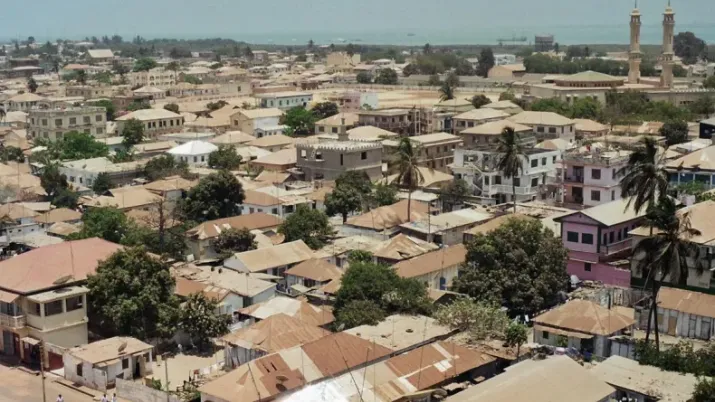
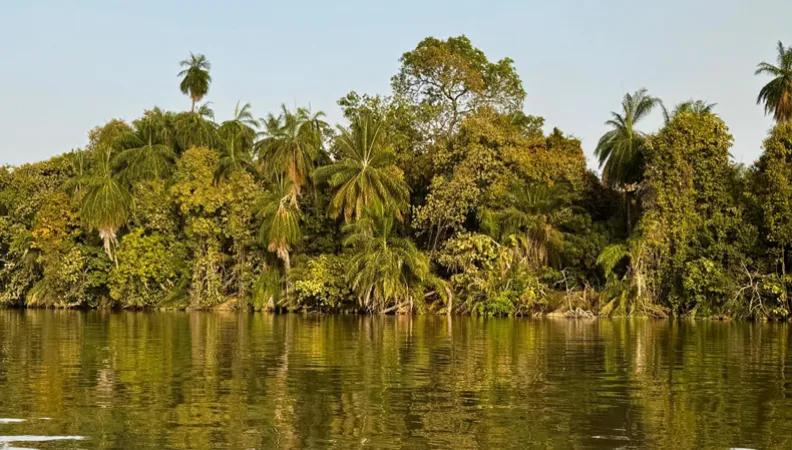
The Gambia’s coastal and riverine areas host rich mangrove ecosystems along the lower Gambia River, which are ecologically vital for regional biodiversity and fisheries connectivity across West Africa. These mangroves also provide key benefits to local communities, including natural resources, coastal protection, and water purification, supporting the livelihoods of about one million people. However, they are increasingly threatened by climate change and human pressures.
Mangrove restoration is therefore essential to combat coastal erosion, protect wetland ecosystems, and ensure the sustainability of coastal livelihoods.
Description
The project supports The Gambia in restoring mangrove ecosystems and improving coastal livelihoods under climate change. It focuses on four objectives: strengthening policies for climate adaptation, testing mangrove restoration and developing a national restoration strategy, improving management of 5 marine protected areas including the creation of two new MPAs, and supporting sustainable income activities for women and youth. Led by MECCNAR over 5 years, it combines research on past, present, and future mangrove conditions with long-term monitoring and community action.
It has three components:
- Policy and strategy: improving national frameworks for coastal resilience and large-scale restoration, including financing options like carbon credits.
- Field implementation: restoring and managing mangroves in five pilot protected areas (~100,000 ha), including 3 existing and 2 newly created sites.
- Project management: technical and coordination support for implementation.
Impacts
The main expected effect is to enhance the resilience of coastal communities and natural ecosystems in a context of climate change, through the adoption of a field-tested strategic and technical approach for large scale mangrove restoration in the Gambia.
Sustainable Development Goals
Life on Land
Goal 15 aims to implement the sustainable management of terrestrial ecosystems – forests and mountains – by preserving biodiversity and soils and limiting the long-term impacts of natural disasters. It calls for integrating ecosystem and biodiversity protection into national planning and poverty reduction strategies. SDG 15 also stresses the need to protect endangered species through strengthened international cooperation against poaching and trafficking, and by implementing controls—or even eradication—of invasive alien species that harm ecosystems.