Share the page

WaDIS – Wastewater Development and Institutional Support
Project

-
Project start date
-
Status
Ongoing
-
Project end date
-
-
Project duration
-
5 years
-
AFD financing amount
-
€ 5 000 000
-
Country and region
-
Type of financing
-
Beneficiaries
-
Palestinian Authority
-
Type of beneficiary
-
State
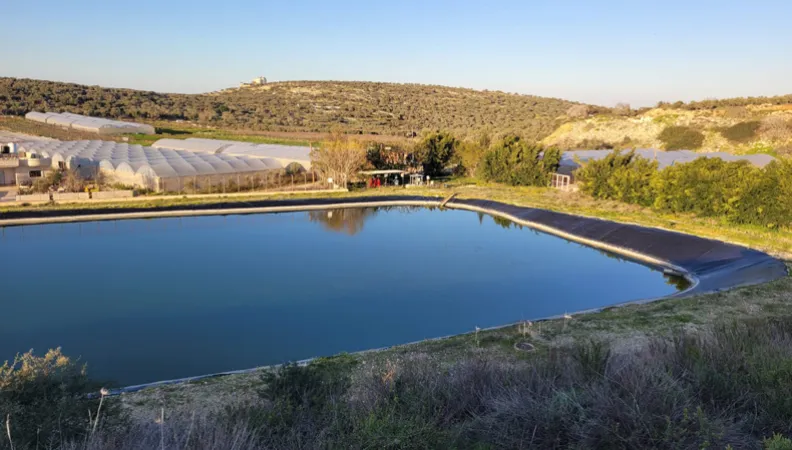
WaDIS project is an institutional support initiative designed to improve governance and sustainability of wastewater management and treated wastewater reuse in Palestine.
Context
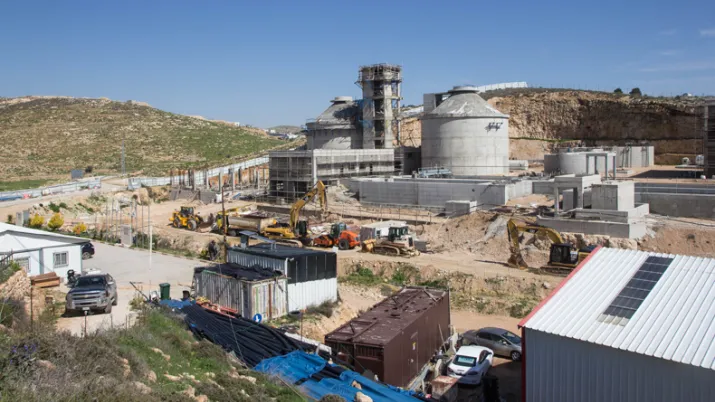
Palestine faces critical challenges in wastewater management and treated wastewater reuse. The West Bank’s wastewater treatment infrastructure lags behind, with untreated wastewater being discharged into the environment, posing both environmental and health risks. Additionally, untreated wastewater crossing the border to Israel incurs high costs for the Palestinian Authority, making wastewater management a priority for long-term sustainability.
In October 2022, the Palestinian Cabinet approved a resolution to accelerate investments in sanitation and wastewater reuse. However, the ambition to significantly expand these sectors contrasts with the current institutional realities.
Description
WaDIS project supports the Palestinian Authority’s (PA) efforts to improve wastewater management and treated wastewater reuse. This project is fully aligned with France’s objective of supporting Palestinian institutional development as part of the broader goal of creating and strengthening the Palestinian state.
WaDIS will help ensure the sustainability of past investments, particularly in treated wastewater reuse, and foster future developments.
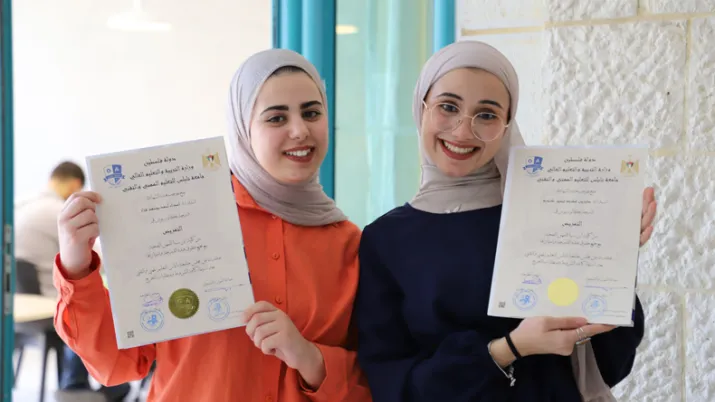
An ambitious gender action plan will also empower women in decision-making roles in this traditionally male-dominated sector.
Impacts
The main goal is to provide Palestinians with reliable and safe sanitation services and to promote treated wastewater reuse, thereby improving public health, supporting agricultural production and protecting the environment. The WaDIS project will strengthen the institutional, legal and regulatory framework for wastewater management and reuse. It will build the capacities of key stakeholders, from ministries to operators and regulatory bodies, improving governance, operational performance, long-term sustainability and strategic planning. The project will also promote gender equality and enhance inclusive participation within the sector.
Sustainable Development Goals
Clean Water and Sanitation
Goal 6 seeks to achieve universal and equitable access to safe drinking water, hygiene, and sanitation by 2030, especially for vulnerable populations. It also calls for sustainable water management and reducing the number of people affected by water scarcity.
The goal includes the concept of transboundary water management, which is key not only to sustainable governance but also to peace and cooperation.