
Share the page
Cairo Metro Line 3: a flagship project of cooperation between Egypt and France
Published on
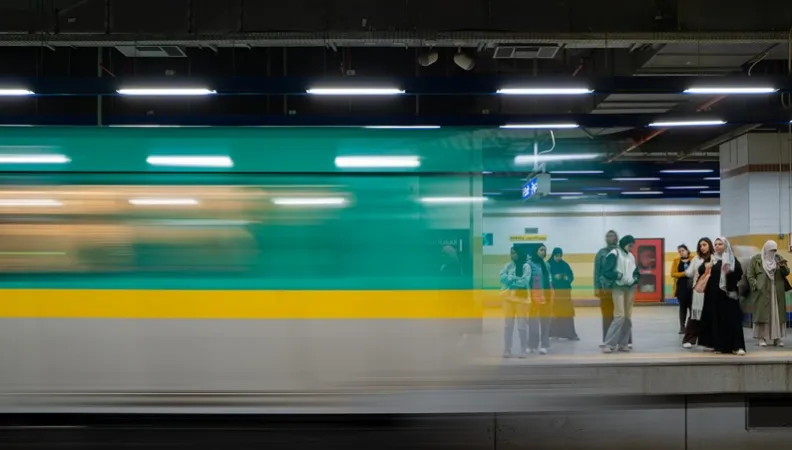
To mark the 20th anniversary of AFD’s office in Egypt, the reporter Nuria Tesón and photographer Samar Baiomy explore one of the flagship projects of cooperation between Egypt and France: Cairo Metro Line 3. Through the experiences of the people behind the project, they illustrate the concrete impact this partnership has had on Egyptians and French partners alike.
More than 41 km. 34 stations. More than 500,000 passengers every day. These figures capture the scale of Cairo Metro Line 3, but they do not fully reflect its impact on the lives of the hundreds of thousands of Egyptians who rely on it every day to travel to work, school, or home. A short journey from Al Attaba, one of downtown Cairo's busiest stations, to Heliopolis, where RATP Dev Mobility Cairo operates its training center, offers a clearer picture of that impact.
The Green Line, financed by Agence Française de Développement (AFD), was gradually commissioned between 2012 and 2024. It runs east to west across the Egyptian capital, connecting densely populated historic neighborhoods with new urban developments and major transport hubs. It shortens travel times in a city affected by chronic congestion while improving equitable access to public transportation. By improving urban mobility, the line also helps reduce air pollution, greenhouse gas emissions, and noise pollution. It offers residents an alternative to private vehicles and encourages greater use of public transportation.
“Since the line opened, I’ve stopped using my car,” says Mostafa Hedaya, who lives in Zamalek. “I go everywhere by metro now. My life has become much easier and more simple.”
A line operated by RATP Dev
Several French companies contributed to the project. Alstom provided signaling, centralized control systems, train operating systems, telecommunications, and electrical traction systems. SYSTRA, which has operated in Cairo since the 1970s, advised the Egyptian authority overseeing the project. French companies TSO and ETF participated in track construction on several sections, while RATP Dev secured the contract to operate and maintain Line 3.
Beyond its environmental benefits and improved passenger experience, Line 3 creates jobs and strengthens workforce skills and service standards in Egypt’s transportation sector. These outcomes support several of AFD’s priorities.
AFD finances the project through two sovereign loans totaling €344 million and a €40 million grant delegated by the European Union.
The line helped mobilize and create approximately 12,000 jobs during the construction phase. Wadii Bouchiha, Chief Executive Officer of RATP Dev Mobility Cairo, which will operate Line 3 and its future extensions for 15 years, says he is proud that the company now employs nearly 3,000 people, “more than 2,000 of whom work directly on Line 3.” The project also includes training and knowledge-transfer programs for Egyptian engineers and technicians.
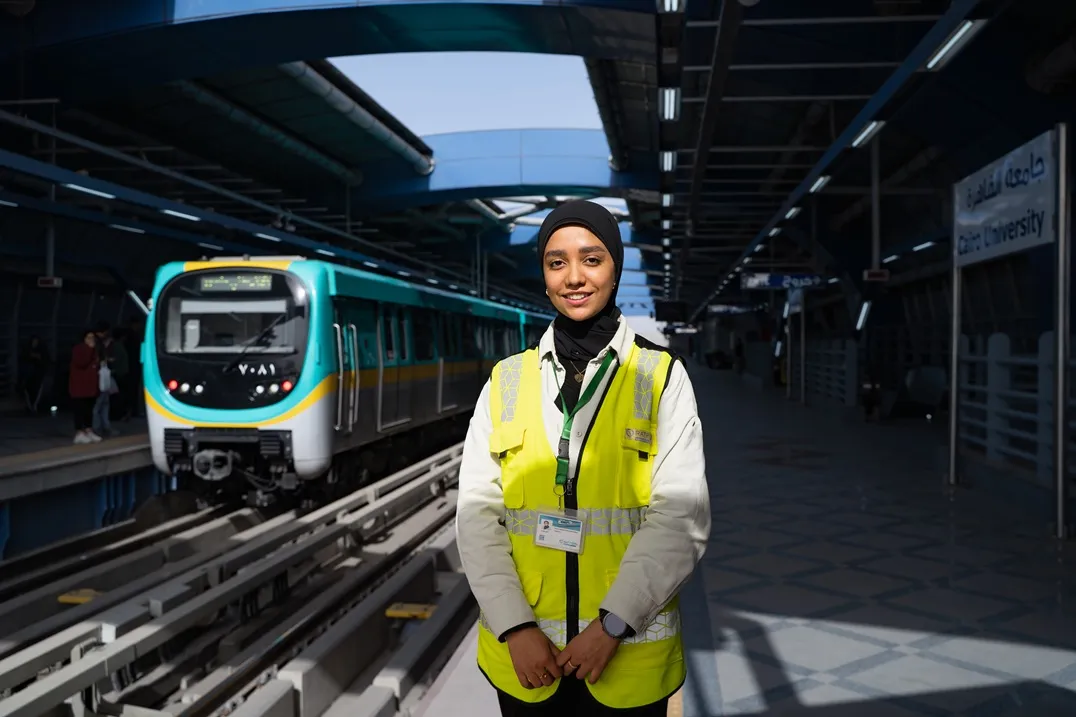
Empowering women through employment
One of the employees benefiting from these opportunities is Hind Omar Mahmoud, who became the first woman train driver on Cairo Metro Line 3 in April 2022.
After intensive preparation and training, her appointment marked an important milestone for women working in Egypt’s metro system and paved the way for other drivers, including Karima Mahmoud Mohamed Ibrahim.
Her journey did not stop there. A mother of two, Omar became the first woman supervisor on the Green Line at the beginning of 2026. The role requires patience, concentration, emotional stability, and a strong sense of responsibility, she explains. Her responsibilities include evaluating train drivers and maintaining continuous communication with the Central Control Center.
“It requires constant monitoring and continuous work throughout the day,” she says.
It took time for passengers to become accustomed to seeing a woman in a role traditionally held by men. Faced with both criticism and encouragement, Omar chose to focus on the positive: “The person who has always supported me the most is my husband,” she says. “He always told me not to pay attention to negative comments: ‘Focus on your work. People will eventually get used to it.’ And that’s exactly what happened.”
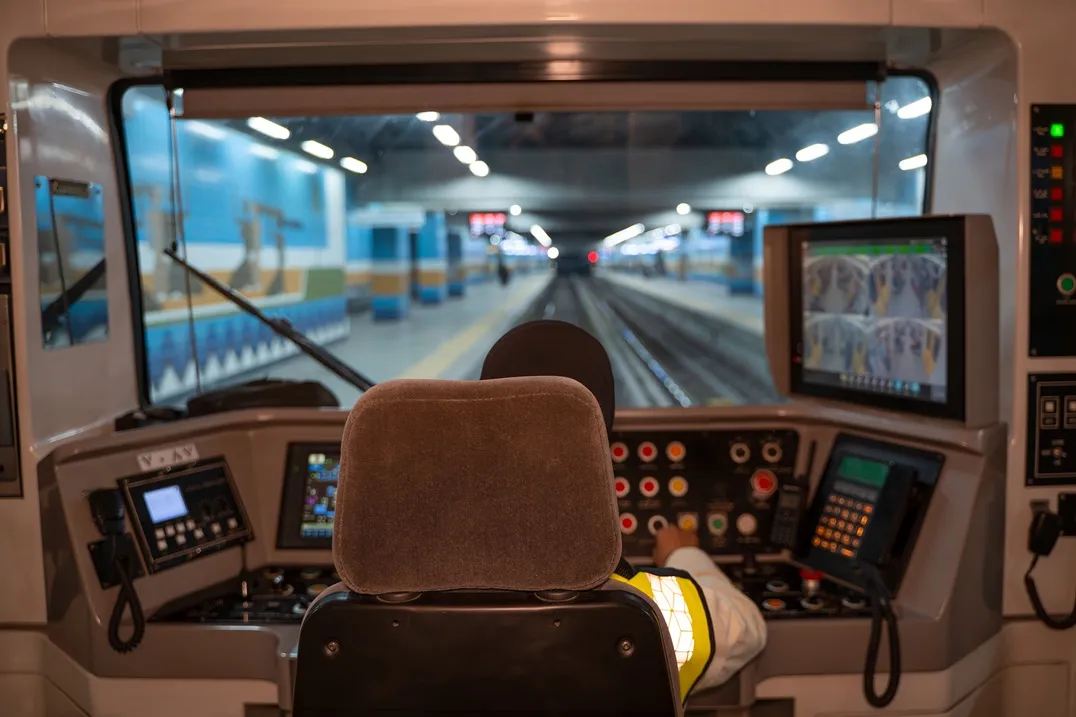
“I mentally check the procedures”
Hiba Mahmoud offers another example of determination and commitment. “I’m a mechanical engineer,” she says in fluent English.
Hiba works in rolling stock maintenance, focusing on operational excellence, process improvement, reducing downtime, and optimizing resources through continuous improvement methods. After spending 10 years in manufacturing, she says maintenance offered a new challenge. “And I like challenges,” she says.
Like Omar, Mahmoud says she has found a different working environment in a traditionally male-dominated field. “People speak to my mind and my skills, not my gender. Everything is based on competence, compliance, and continuous learning.”
Her daily commute, from El Shorouk to Adly Mansour by light rail and then by metro, reflects the network she helps maintain.
“When you’re a passenger, the experience is different from when you’re involved in maintenance,” she says with a smile. But Hiba can never fully detach from her responsibilities. During her commute, she listens for unusual sounds, observes equipment and, as she puts it, “I mentally check the procedures.”
RATP Dev Mobility Cairo aims to deliver services that meet international standards already applied in cities such as Paris, London, and Hong Kong, including punctuality, rigorous asset maintenance, and high-quality customer service. A new website and mobile application now also provide passengers with real-time travel information.
In a city where traffic congestion and pollution dominate life at street level, this progress is already making a noticeable difference.