Share the page
In Thiès, Senegal, the train is coming back … and with it, hope for a fresh start
Published on
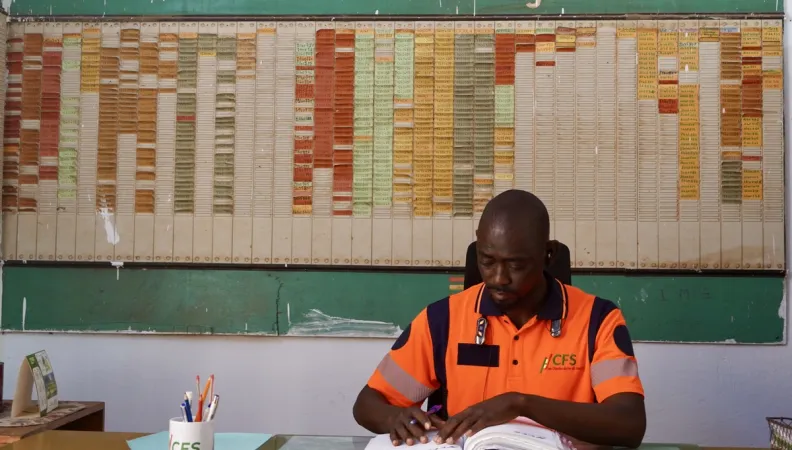
In Thiès, the return of passenger rail, supported by AFD, is raising hopes. In this city near Dakar, where space is increasingly limited, the project could help ease congestion in the capital and create a better balance in access to jobs and opportunities.
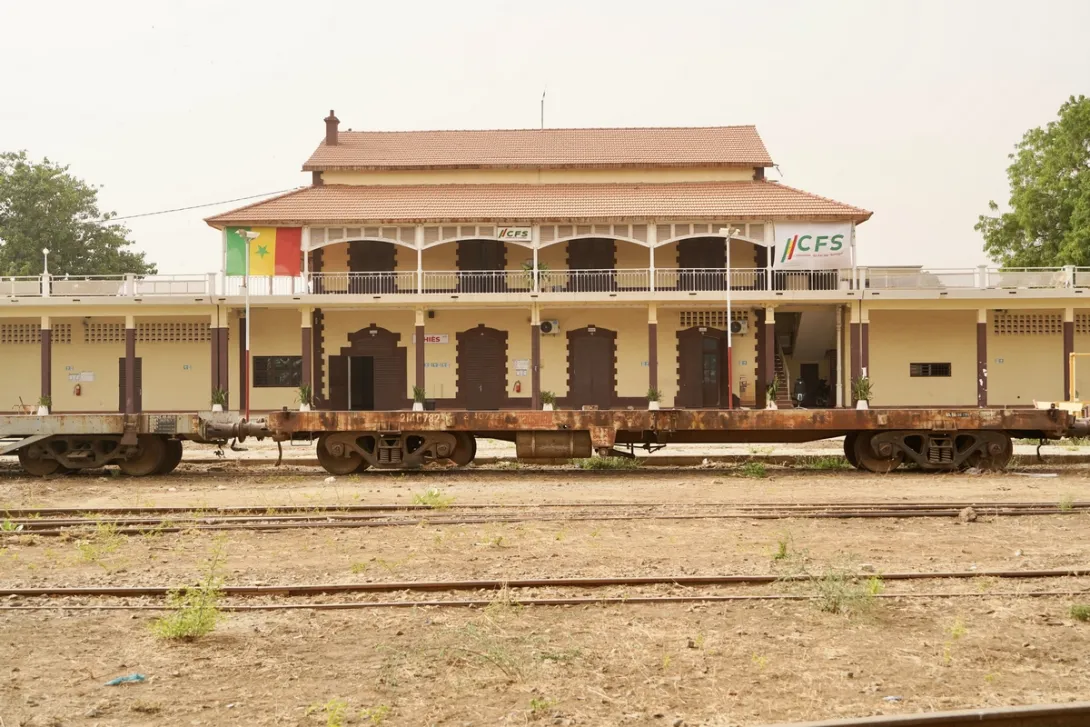
In the shadow of Thiès’ former railway workshops, memories linger like ghost trains. Since the 1990s, this major crossroads city in Senegal, located about 60 km from Dakar, has no longer seen passenger trains pass through. With their disappearance, part of the city’s identity faded away. Here, residents proudly claim a nickname steeped in history: Senegal’s rail capital. When the government announced in early 2026 its intention to revive passenger rail service in this urban area of nearly 400,000 people, it reignited hope among older generations who experienced the railway’s golden age, as well as among younger residents who grew up hearing stories about a train they had never seen.
In a modest room a few steps from the silent tracks, retired railway workers meet regularly. Drivers, welders, ticket inspectors … all devoted their working lives to the railway. “When the train arrived at the station, the whole city came alive,” recalls Aly Sow, president of the association of retired railway workers. When they speak about its planned return, their tone changes. “It will be extraordinary,” says Moustapha Fall, a former train driver. “The city will come back to life. Young people will be able to work, study, and travel more easily. Those who cannot afford to live in Dakar will be able to stay here.”
A few streets away, nostalgia gives way to a harsher reality. Every morning, thousands of residents leave Thiès for Dakar. Awa Diene is one of them, making the journey every day. “We leave early, but we never know what time we’ll arrive,” she says with resignation. This dependence on the capital affects every aspect of local life: longer days, high transportation costs, and uncertain access to education and job opportunities.
For AFD, these are precisely the imbalances that mobility projects aim to address. “The goal is not simply to connect two cities, but to redistribute opportunities, ease pressure on the capital, and help secondary cities emerge as new engines of growth,” says Mihoub Mezouaghi, director of AFD’s Dakar office.
For the local private sector, the return of the train is seen as a major opportunity. Ibrahima Macodou Fall has run Nouvelle Société Sénégalaise de Textile since 1991. The company now employs around 200 people. “The road network is saturated. Travel times are long and unpredictable,” he says. Maguèye Badiane, who returned from Germany to develop several businesses in Thiès, shares the same view. On his construction sites, he already sees a shift underway: “There is no more space in Dakar. It is saturated and expensive. Here, there is potential. Industrial activity is gradually moving toward Thiès. If the train arrives, it will encourage businesses to set up here.”
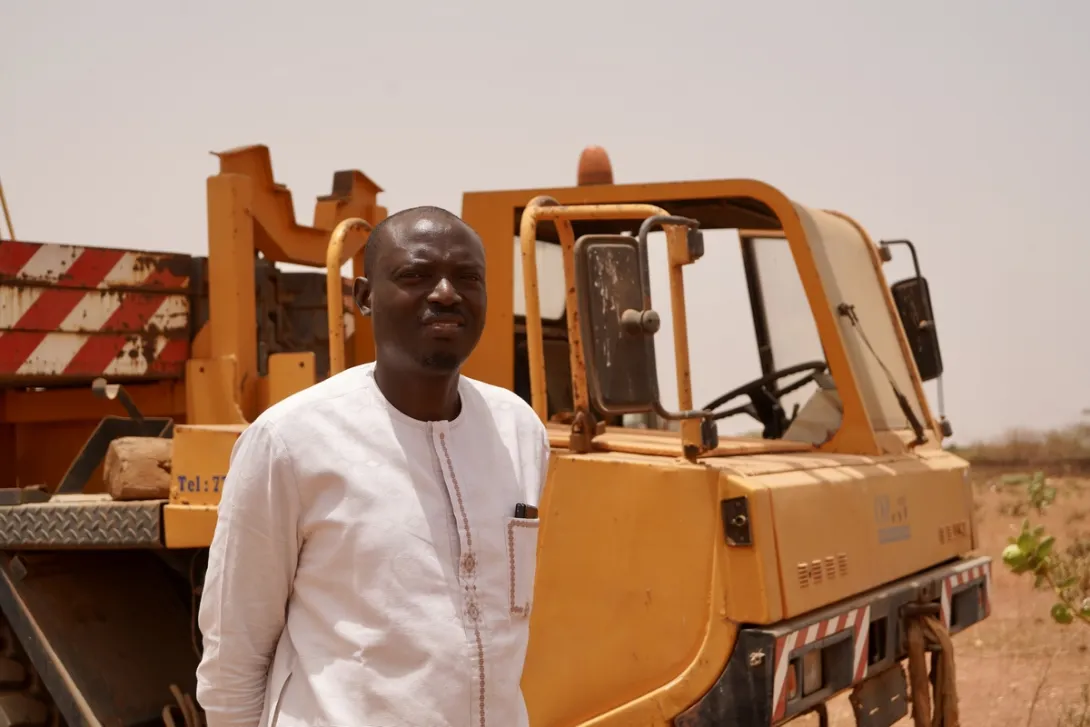
Behind these expectations, the project is beginning to take shape. Extending the Regional Express Train (TER) to Thiès is part of the program’s third phase, following the Dakar-Diamniadio and Diamniadio-Airport sections. The project involves leading French companies, including Alstom, which supplied the Coradia trains from its Reichshoffen site in Alsace, and Seter, an SNCF subsidiary responsible for operating and maintaining the network.
For Cheikh Ibrahima Ndiaye, chief executive officer of the National Company for the Management of TER Assets (Senter), the Dakar-Thiès line is only the first step in a network that could eventually extend to Tambacounda and even Bamako. Under the ambitions of the Senegal 2050 vision, the objective is to build several thousand kilometers of railway lines across the country.
But rail cannot function in isolation. The Executive Council for Sustainable Urban Transport (Cetud) is responsible for organizing transportation across the region through a Sustainable Urban Mobility Plan (PMUD). “The challenge is to coordinate connections and ensure interoperability between the different modes of transport,” says Gora Sarr, director general of Cetud. An initial investment project worth between €20 million and €30 million is planned, with support from international donors. The main challenge will be integrating informal transport operators, which currently account for most daily journeys.
Around the old station, amid congested commercial streets, hope is emerging despite the challenges of everyday life. Zakaria Ba, a shoe shiner, smiles: “We need new jobs. This is going to transform Thiès. So, when's the next train?”
Read more
From local venues to screens worldwide, Africa’s cultural industries are booming
Published on May 7, 2026