Share the page

Energy efficiency in public buildings - INSPIREE
Project

-
Project start date
-
Status
Ongoing
-
Project end date
-
-
Project duration
-
15 years
-
AFD financing amount
-
€ 30 000 000
-
Country and region
-
Location
-
Moldova
-
Type of financing
-
Beneficiaries
-
Republic of Moldova
-
Type of beneficiary
-
State

In a context where Moldova is committed to reduce the energy intensity of the country, the INSPIREE project aims at improving energy efficiency of public buildings and access to public services through the renovation of higher education and health buildings.
Context
The Republic of Moldova is heavily dependent on imports for its energy supply: in 2021, the country’s net energy imports accounted for nearly 85% of its total consumption. This situation poses geopolitical as well as socio-economic challenges to the country. In this context, Moldova plans, in its revised Nationally Determined Contribution, to reduce energy intensity by 10% and improve energy efficiency by 2% per year.
The building sector represents the largest share of final energy consumption in the country (55%). Public buildings, mostly built during the Soviet period, require major renovation as they are very energy-intensive, offer a low level of comfort and are exposed to climate risk (heat waves in summer and cold in winter).
Description
The project aims at contributing to the energy security of Moldova and improving public services through the energy rehabilitation of public buildings.
The specific objectives are to:
- Improve the energy efficiency of public buildings;
- Lower public expenditure on energy supply for public buildings;
- Improve the accessibility to public services offered in renovated buildings;
- Improve the resilience of public buildings to extreme weather events.
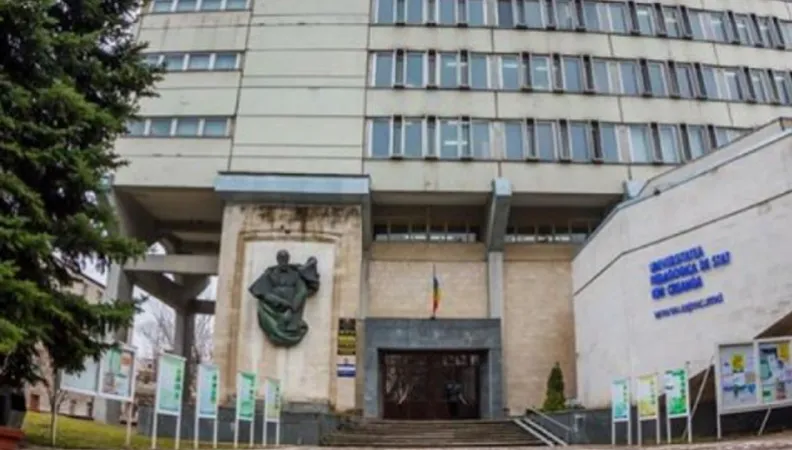
The project will focus on renovation of social infrastructure both in the higher education (universities and vocational training centers) and health sectors (regional hospitals). It will include a works component for the renovation of public buildings and a technical assistance component to support the project implementation as well as provide institutional capacity building to maximize and ensure impacts sustainability.
Impacts
The main expected results are the following:
- Total energy savings (demand): 12.3 GWh/year with an average of 60% energy savings on a total of almost 100,000 m2 of renovated buildings;
- GHG emissions reduction of 4.2 kteqCO2/year;
- Improved satisfaction of building users regarding thermal comfort and access to services;
- Decrease in public spending on energy bills : 2MEUR/year;
- 200,000 people benefiting from the renovation, 65% of whom are women;
- Improved resilience of buildings, including reduced water consumption;
- Creation of decent jobs in the construction sector.
Sustainable Development Goals
Affordable and Clean Energy
Goal 7 lies at the heart of today’s major challenges and tomorrow’s opportunities. Access to sustainable energy is essential not only for fighting climate change, but also for job creation, housing, connectivity, safety, food production, and more. This SDG represents a clear opportunity to transform lives, economies, and the planet.