Share the page

Improving the energy efficiency of south Dhaka electrical grid
Project
This project is carried out with the support of the European Union


-
Project start date
-
Status
Ongoing
-
Project end date
-
-
Project duration
-
9 years
-
AFD financing amount
-
€ 112 000 000
-
Country and region
-
Location
-
Dhaka
-
Type of financing
-
Partners
-
European Union
-
Beneficiaries
-
Republic of Bangladesh government

This project is carried out with the support of the European Union
The content of this project information sheet falls under the sole responsibility of the AFD and does not necessarily reflect the opinions of the European Union.
The content of this project information sheet falls under the sole responsibility of the AFD and does not necessarily reflect the opinions of the European Union.
Through a resilient, strengthened electrical power grid, the goal of this project is to insure access to sufficient and reliable electricity in Dhaka.
Context
Bangladesh, the eighth most populous country in the world with more than 164 million people, has seen recent economic growth that has significantly reduced the proportion of the population living below the poverty line. It has also led to improvements in certain infrastructure, such as the percentage of households connected to the power grid, which rose from 10% in 1994 to a target of 96% by 2020.
However, the gap in electrification between urban and rural areas remains wide, as does the growth in electricity demand. Starting in the 1990s, a series of reforms led to the creation of the Dhaka Power Distribution Company (DPDC), an electricity distribution company operating primarily in the southern part of the capital, Dhaka. With electricity demand on the DPDC grid projected to rise sharply in the coming years, there are many challenges to be addressed in order to meet those needs.
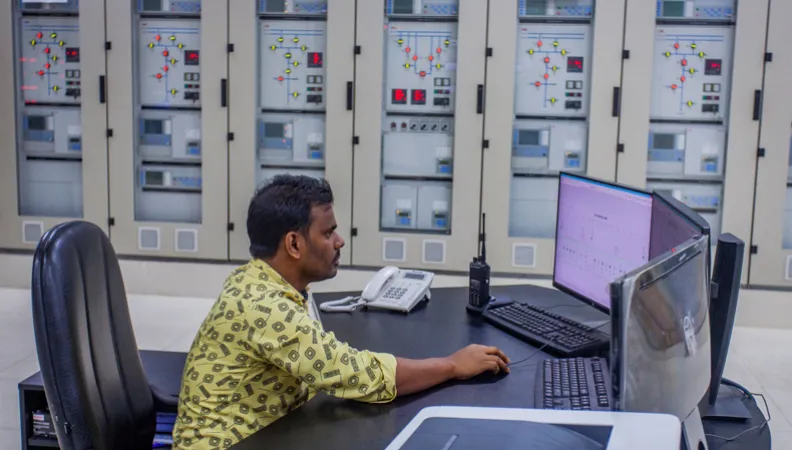
In this context, smart grids have a vital role to play. They facilitate the flow of information between consumers and the electricity provider, enabling real-time adjustments to the flow of electricity for more efficient management of the power grid.
Description
This project is part of the ongoing effort to modernize and strengthen DPDC’s distribution network. It introduces innovative solutions for energy efficiency, along with capacity-building for DPDC’s teams in the area of smart grids.
The main objective is to improve the reliability and availability of sufficient electricity through a more resilient and smarter grid by:
- 810 MVAR of capacitor banks (power factor correction)
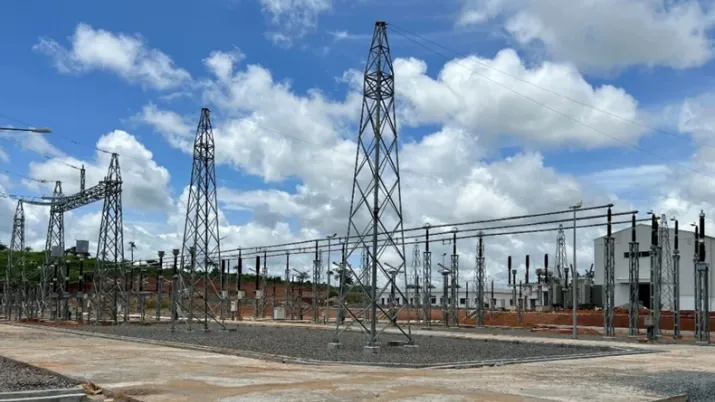
- The construction of 6 new 132/33 kV and 33/11 kV substations
- Renovation and refurbishment of existing substations,
- A smart grid pilot project (funded by a 12-million-euro grant from the European Union)
- Deployment of smart solutions in 5 existing substations and automatic reconfiguration of MV loops.
Impacts
- Economic impacts: improved quality of energy distributed to 241,000 households (or 1,141,000 people)
- Financial impacts: reduction in undistributed energy, reduction in losses
- Environmental and social impacts: 108,400 metric tons of CO2 saved per year, progress toward gender equality within the World Bank’s WePower program.
Sustainable Development Goals
Affordable and Clean Energy
Goal 7 lies at the heart of today’s major challenges and tomorrow’s opportunities. Access to sustainable energy is essential not only for fighting climate change, but also for job creation, housing, connectivity, safety, food production, and more. This SDG represents a clear opportunity to transform lives, economies, and the planet.