
Share the page
Uzbekistan
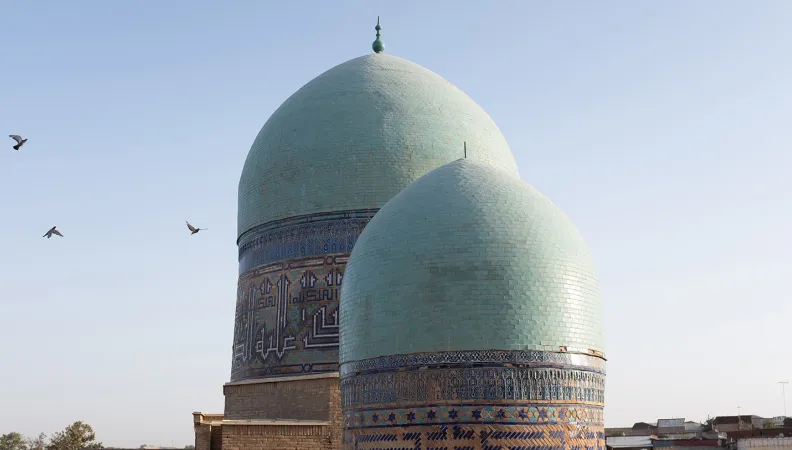
Uzbekistan, located in Central Asia, is experiencing the region’s strongest economic growth. But the country faces major challenges in ensuring that this growth is both sustainable and inclusive, while minimizing its impact on the climate. Since 2015, AFD has supported Uzbekistan in this effort through projects focused on economic and political governance, urban development, energy transition, and sustainable land management.
Context
Uzbekistan, located in the heart of Central Asia, is largely made up of desert. It shares borders with Kazakhstan, Turkmenistan, Tajikistan, Kyrgyzstan and Afghanistan, and is the region’s second-largest economy.
Over the past decade, Uzbekistan has recorded an average growth rate of 8 percent, driven by exports of gas and agricultural products. The economy relies heavily on natural resources. In addition to gas, the country cultivates over 1 billion hectares of cotton and extracts metals and fertilizers.
Despite this growth, major social inequalities persist. Faced with unemployment and limited prospects, many young people migrate to Russia in search of work. Remittances from the Uzbek diaspora remain significant, amounting to 2.3 billion US dollars in 2016.
Uzbekistan faces several challenges: diversifying its economy, meeting rising energy demand and creating jobs for its youth. Forty percent of the population is under the age of 18. These efforts must also take environmental protection into account.
AFD was authorized to operate in the country in 2011, with a mandate to support green and inclusive growth. A regional office was opened in Tashkent in 2015, and AFD launched its first project in Uzbekistan in 2016. It provides loans to the state, public institutions and private stakeholders.
The Uzbekistan office reports directly to AFD’s Central and Eastern Asia regional directorate.
Our approach
AFD AND UZBEKISTAN: DIVERSIFYING THE ECONOMY AND GIVING YOUNG PEOPLE THE KEYS TO EMPLOYMENT
Thirty years after the breakup of the Soviet Union, Uzbekistan launched major reforms to open its economy to global markets, while protecting the most vulnerable households and strengthening the rule of law.
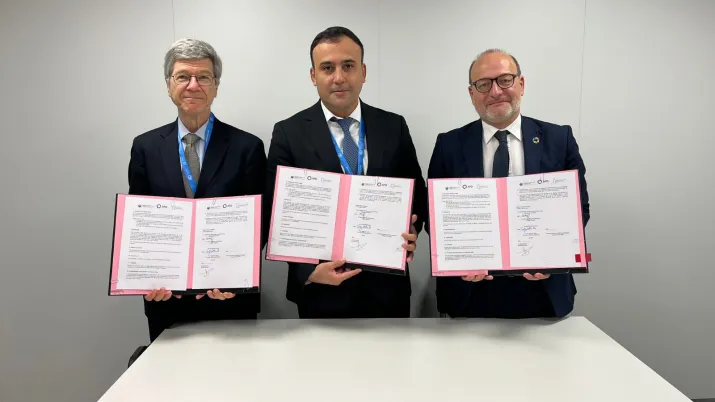
A policy-based loan, signed in 2018 and expanded in 2019 in cofinancing with the Asian Development Bank, reflects AFD’s commitment to supporting the Uzbek government in initiating economic and financial governance reforms. The loan also contributes to the country’s long-term economic and social transformation.
These reforms focus in particular on improving the publication of economic data, strengthening the management of public finances, modernizing banking supervision, and improving the governance of state-owned enterprises. French experts have also contributed by sharing their expertise in public finance, public procurement and the management of public enterprises.
With nearly 34 million inhabitants, Uzbekistan is the most populous country in Central Asia. Its cities are expanding, driven by migration from rural areas. In response, the authorities aim to improve urban services, both in major cities to enhance living conditions and in secondary cities to make them more attractive.
AFD supports the cities of Uzbekistan in the areas of waste and water. In particular, we support the city of Samarkand in its ambition to modernize solid waste management, by strengthening local capacities and setting up new equipment for the collection, treatment and recovery of this waste. We are also financing the installation and modernization of sanitation systems in three medium-sized cities (Karmana, Kitob and Shakhrisabz), through the construction of purification stations and the installation of collectors, associated with an important capacity building component local
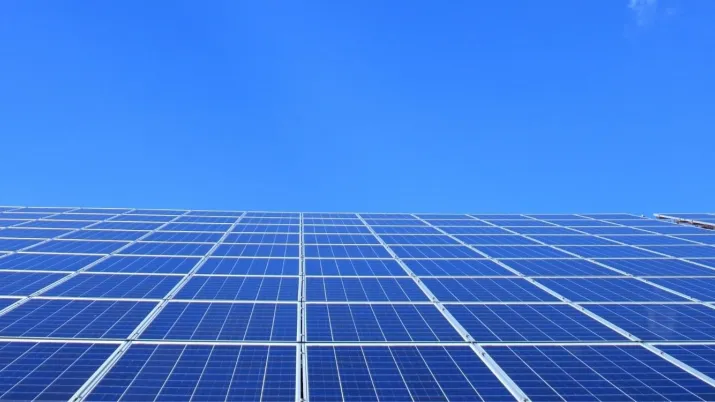
Ensuring green and sustainable growth requires a transition to clean energies in order to limit greenhouse gas emissions. In Uzbekistan, the second largest electricity producer in Central Asia, the development of clean and renewable energies is a priority for today's Uzbek government, included in the country’s development strategy and confirmed by the ratification of the Paris Agreements in 2018.
AFD is supporting an Uzbek hydropower development project via a program to secure and modernize the Charvak dam, near Tashkent, and to extend hydroelectric facilities in the Andijan region, associated with assistance technical. A policy-based loan encourages the implementation of reforms in the electricity sector for a low-carbon economy.
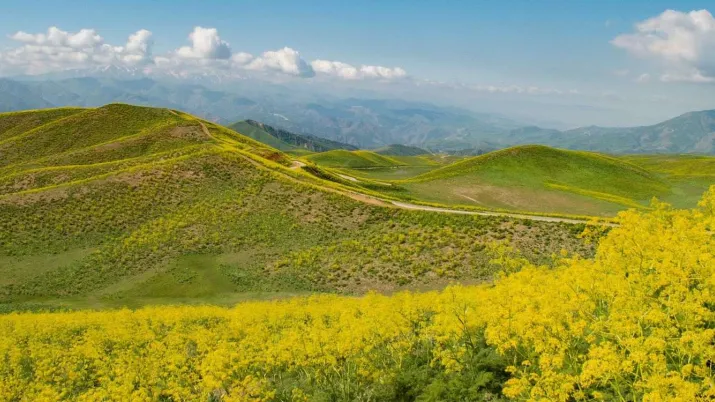
The growth trajectory of the Uzbek economy must take into account the issues of land management and protection of the country’s natural resources. Aiming at developing the agricultural sector and rural areas, AFD works alongside the Ministry of Livestock and Uzbek institutions active in the livestock sector, such as commercial banks and producer associations. The objective is to promote the development of sustainable animal production chains, integrating small producers and mobilizing climate-beneficial investment instruments.
In the field
Projects

News & Press Releases
Publications & Media
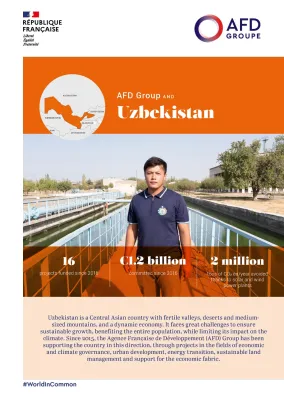
Key figures
-
1.3 billion euros committed since 2016
-
18 projects funded since 2016
-
2 million tons of CO₂ eq/year avoided thanks to solar and wind power plants