Share the page
Middle East Regional Office
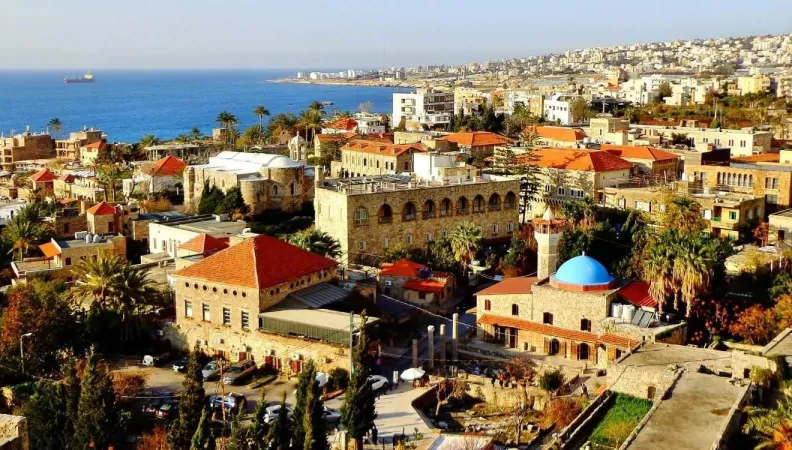
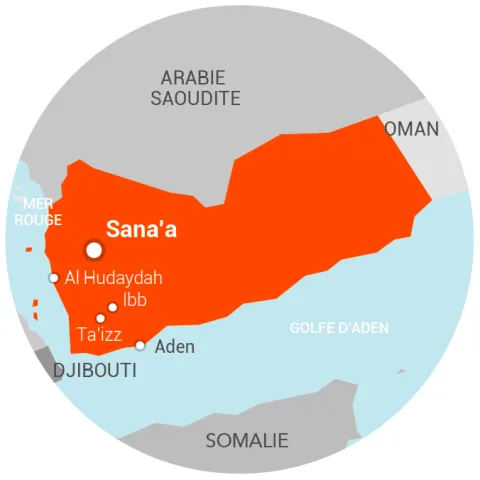
In the Middle East, AFD Group aims to identify and initiate sustainable development pathways to reduce the region’s fragilities, which threaten the future of upcoming generations. The Middle East Regional Department (DRMO) oversees and supports AFD Group’s activities in Jordan, Iraq, Lebanon, and Palestine, and monitors the situation in Syria and Yemen, two countries where AFD no longer operates.
Strategy
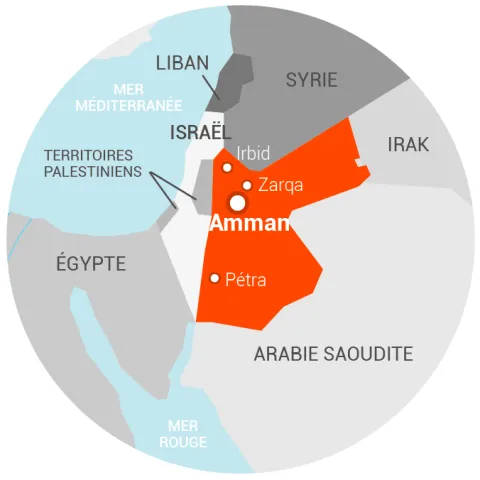
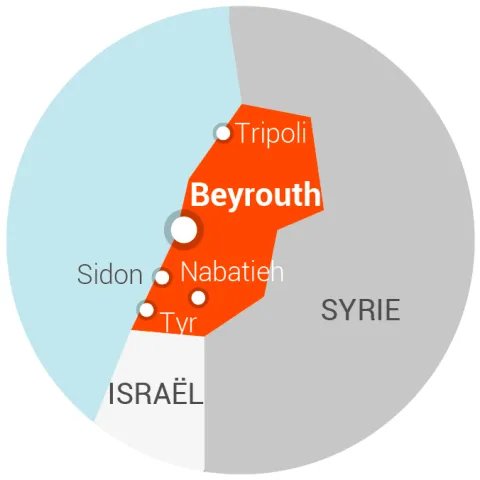
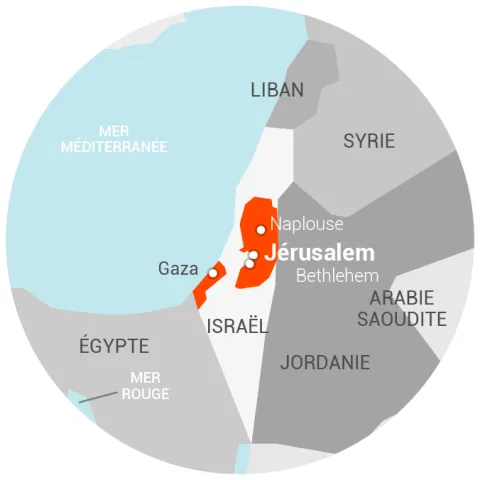
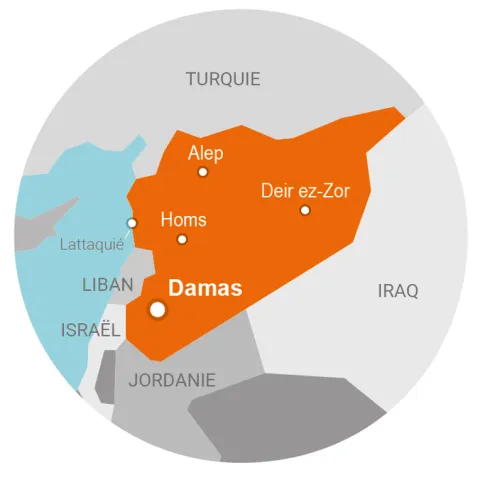
Based in Amman, the Middle East Regional Department covers four countries: Iraq, Jordan, Lebanon, and Palestine, and conducts analytical monitoring of Syria* and Yemen.
In the volatile context of the Middle East region, marked by a high probability of large scale crises as well as major structural challenges, AFD Group has chosen to anchor its regional strategy within a ten year time frame. This long horizon supports strategic consistency and helps maintain the Group’s long term relationship of trust with its partners. Our work in the region is structured around three priorities:
Strengthen social cohesion
In the Middle East, AFD Group seeks to strengthen social cohesion both vertically (quality of the relation between institutions and citizens – targeting mainly young people and women) and horizontally (quality of relations between the different societies that structure Middle Eastern communities). In line with its “Vulnerabilities to Crises and Resilience” Strategy and the models of the Pathways for Peace report, AFD Group supports the inclusion of marginalized populations and territories, as well as increase access to more inclusive, participatory and transparent public institutions, to mitigate the pressure on basic services.
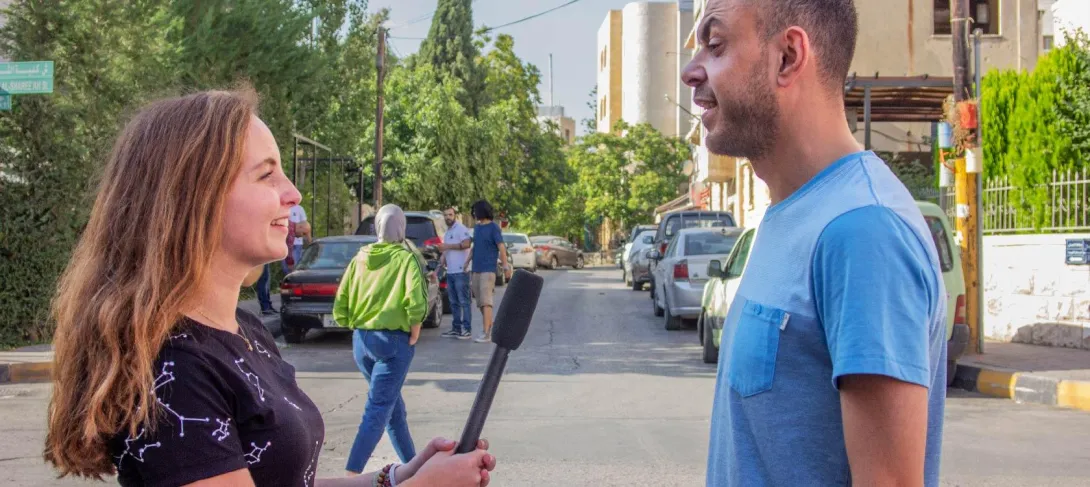
Sustainably and equitably manage shared areas and resources
AFD Group works at several levels:
- At the local level, by focusing on access to land or on the management of urban spaces, with the aim of building community where it is lacking and creating spaces that foster social, community, and intergenerational inclusion.
- At the national and regional levels, by promoting sound governance of resources, for example the availability and quality of water resources, energy efficiency, and renewable energy, as well as the enhancement of a shared historical and cultural heritage.
- At the global level, by contributing to the management of global common goods such as climate, biodiversity, security, and health systems, through efforts to raise awareness among people in the region and among AFD Group partners of the risks associated with rapid environmental degradation.

3. Support an equitable and sustainable growth trajectory
AFD Group supports both public and private investments in promising sectors that can boost employment locally, particularly for women and young people and local economic development based on financial inclusion and support for small and medium-sized enterprises (SMEs). By bolstering entrepreneurship and innovation, these investments encourage women’s participation in the economy and will be ecologically sustainable, in line with the Paris Agreement.
AFD’s approach in the region aims to create leverage to maximize and upscale project impacts. The Group is committed to financing sustainable, equitable and inclusive operations, with special emphasis on gender equality issues and to issues of adaptation and disaster prevention, which is critical in a region exposed to the effects of climate change.
Minka: AFD's response to crises
The Minka Peace and resilience fund is AFD’s response to the risk that the Syrian and Iraqi conflicts could spread into the most fragile areas of neighboring countries, within a framework focused on violence prevention and peace-building. This support, which amounted to a total of 272 million euros from 2017 to 2021, helped reduce the vulnerabilities that fuel violence.
For AFD Group, Minka Middle East is a tool that helps adapt its practices in situations of chronic crisis. The initiative finances projects that address the needs of vulnerable people, including refugees, displaced people, and members of host communities, in key sectors such as health, education, and livelihoods. Minka Middle East targets partners who are best placed to deliver both rapid results and lasting improvements in people’s lives. Since 2017, 89 percent of the financing has been implemented by non state actors, including an increasing share of national partners such as civil society organizations.
*The interministerial agency for international technical cooperation Expertise France manages projects in Syria.
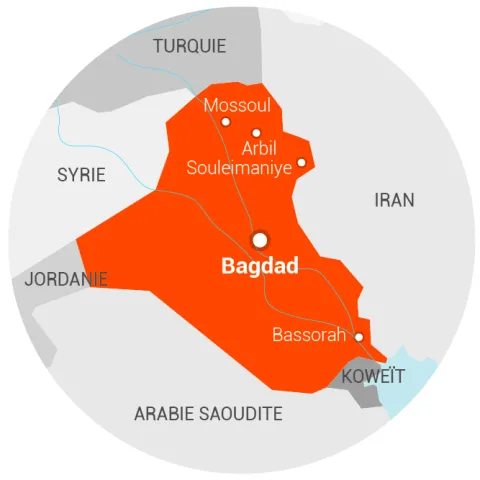
In the field
Key figures
-
129 projects financed since 2016
-
€2.3 billion committed between 2016 and 2021 in the region
-
1.2 million beneficiaries of the projects financed by the Middle-East Minka initiative
Resources
News & Press Releases
Climate change: a MOOC for more sustainable construction in the Mediterranean
Published on September 7, 2026
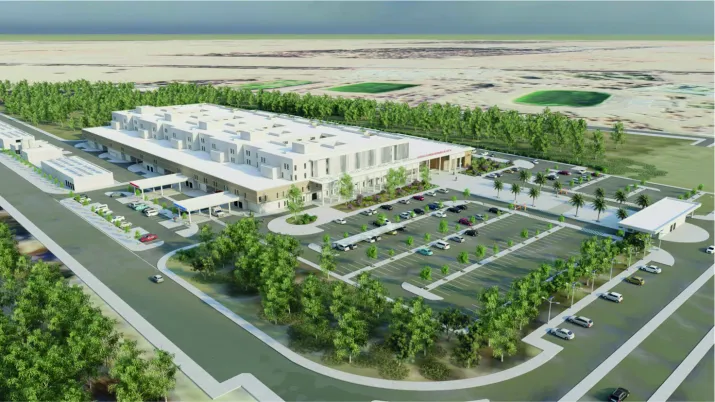
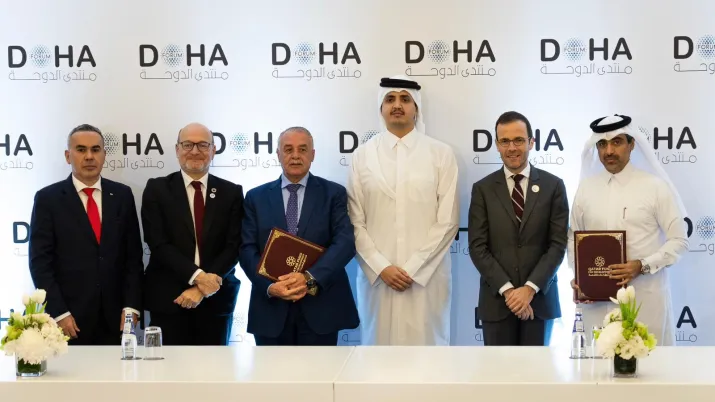
AFD and Qatar Fund for Development strengthen their cooperation to support the expansion of Saint Joseph Hospi...
Published on December 8, 2025