Share the page
The strategic role of pastoralism in countries of the South
Published on
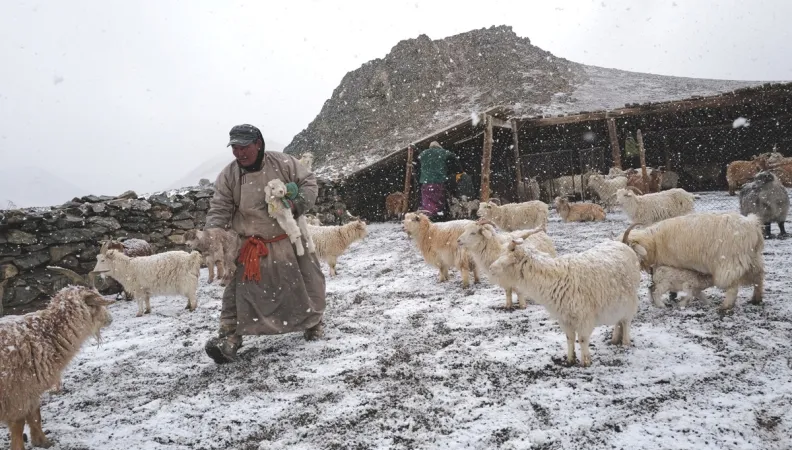
At the 2026 International Agricultural Show in Paris (21 February to 1 March), AFD, CIRAD, and the Pastoralism Working Group issued a joint position paper titled “Supporting pastoralism in countries of the South” The aim is to strengthen recognition of this often overlooked livestock system, which plays a key role in food security, climate adaptation, and territorial stability.
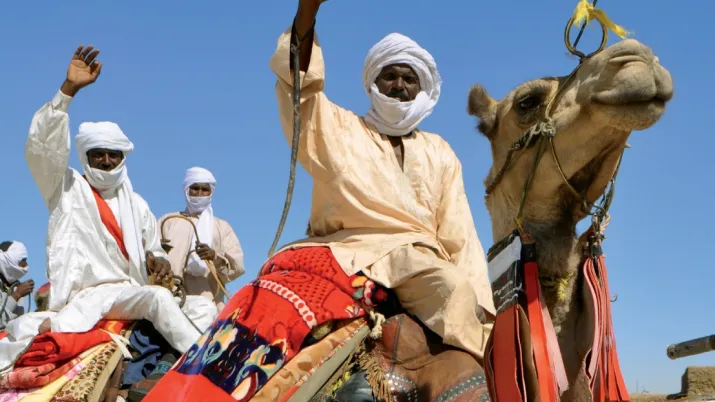
More than 500 million people worldwide depend on pastoralism across around 100 countries, an often overlooked reality. These livestock keepers operate in savannas, steppes, arid regions, and mountainous areas that together cover more than half of the world’s land surface. In places where crop farming is limited, mobile livestock systems are often the main economic activity.
The principle is simple: mobility enables adaptation. Moving herds allows pastoralists to follow rainfall patterns, access available grazing land, and respond to climate variability. This flexibility makes pastoralism particularly resilient. It also delivers environmental benefits that are often underestimated: grasslands store nearly 30% of the world’s soil organic carbon, and in some Sahelian regions, carbon sequestration can offset emissions from livestock.
A reality still largely overlooked
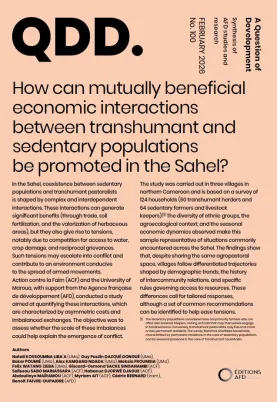
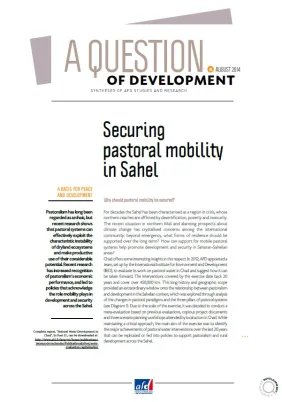
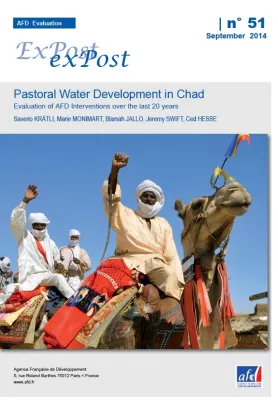
Pastoralism remains insufficiently integrated into public policy. Land pressure, urbanization, and insecurity are reducing mobility corridors. Securing transhumance routes, developing water points, strengthening mobile veterinary services, and supporting local mediation efforts can help reduce tensions and maintain social cohesion in fragile areas.
A joint paper by AFD, CIRAD, and the Pastoralism Working Group, which brings together French organizations active in countries of the South, aims to bring these issues back into focus. It calls for better measurement of pastoralism’s economic contribution, stronger recognition of its role in climate action, greater support for synergies between crop farming and livestock systems, and fuller inclusion of pastoralist organizations in national and regional strategies.
As food and climate crises intensify, supporting pastoralism is far from a marginal issue. It is central to the resilience of food systems and the balance of rural territories.
The Nomads for Life project in Mongolia
Funded by the French Global Environment Facility (FFEM) and implemented by Agronomes et Vétérinaires Sans Frontières (AVSF) and CIRAD (2026–2030), the Nomads for Life project was signed at the International Agricultural Show on 25 February. It aims to establish coordinated territorial management of rangelands in Mongolia.
The project is based on jointly developed territorial action plans involving all local stakeholders: herders and their organizations, public authorities, and private sector actors. These plans define collective actions to monitor rangeland conditions, expand services for herders, regulate herd sizes and land use, and improve access to markets.