Share the page

Al Hamza sanitation and climate project
Project

-
Project start date
-
Status
Ongoing
-
Project end date
-
-
AFD financing amount
-
€ 100 000 000
-
Country and region
-
Location
-
Al Hamza city, Al Qadisiya district
-
Type of financing
-
Beneficiaries
-
Republic of Iraq
-
Type of beneficiary
-
State
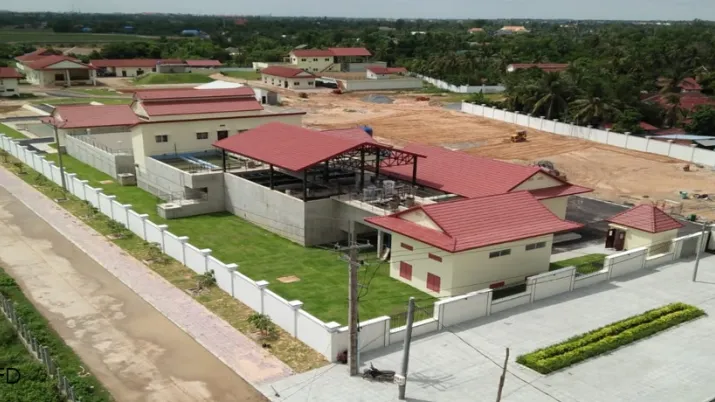
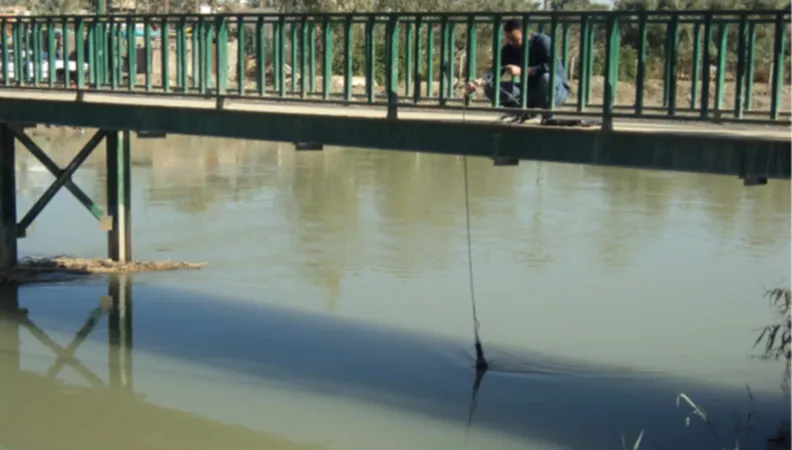
This project consists of the construction of wastewater and stormwater collection networks and of a wasterwater treatment plant in Al Hamza in Iraq, with a 100MEUR loan.
Context
In Iraq, providing basic services remains a major challenge, even more in the Southern part of the country, where Al Hamza is located. The city experiences a rapid demographic growth and most inhabitants do not have access to proper sanitation facilities, which results in sanitary risks and pollution, while climate change and anthropic pressure are reducing the water resource availability.
Description
The project includes the construction of 2 networks (wasterwater and stormwater) for app. 160 km and a wastewater treatment plant. The project will support the capacity development of this directorate e.g. through trainings, equipment required for the operation and maintenance, as well as cost analysis for a sustainable financing of the operation.
Impacts
Expected impacts are a reduction of waterborne diseases and risks of flooding for the population, as well as a reduction of pollutions affecting the quality of the Euphrates river downstream of Al Hamza as well as the city’s surroundings fragile environment and biodiversity. The project will contribute to the adaptation to climate change, by mitigating the impacts of heavy rain events, expected to be more intense and more frequent according to current models. The proper collection and treatment of sewerage is also expected to limit the formation of GHG such as methane that occurs in uncontrolled septic tanks.
Sustainable Development Goals
Clean Water and Sanitation
Goal 6 seeks to achieve universal and equitable access to safe drinking water, hygiene, and sanitation by 2030, especially for vulnerable populations. It also calls for sustainable water management and reducing the number of people affected by water scarcity.
The goal includes the concept of transboundary water management, which is key not only to sustainable governance but also to peace and cooperation.