Share the page

Improving agricultural yields in rural areas
Project
This project is carried out with the support of the European Union



-
Project start date
-
Status
Ongoing
-
Project end date
-
-
Project duration
-
20 years
-
AFD financing amount
-
€ 96 500 000
-
Global financing amount
-
€ 109 000 000
-
Country and region
-
Location
-
Tonle Sap basin
-
Type of financing
-
Beneficiaries
-
Kingdom of Cambodia

This project is carried out with the support of the European Union
The content of this project information sheet falls under the sole responsibility of the AFD and does not necessarily reflect the opinions of the European Union.
To combat poverty and food insecurity, AFD is supporting the Cambodian authorities in implementing an agricultural policy and carrying out a program for the rehabilitation of irrigation infrastructure and adaptation to climate change.
Context
Context In Cambodia, 70% of the population lives in rural and agricultural areas. Yet agriculture, the main source of income, is characterized by low productivity and a lack of diversification. Moreover, much of the existing irrigation infrastructure lacks maintenance. Aware of the stakes, the Cambodian government works together with local communities and users to ensure good water management and infrastructure maintenance.
Description
The Water Resources Management and Agro-ecological Transition program in Cambodia (WAT4CAM) has five objectives:
- Improve water resources management at the national level through better knowledge of the subject, as well as the impacts of climate events on water resources and the process of concerted management;
- Repair 17 irrigated perimeters damaged by the floods of October 2020;
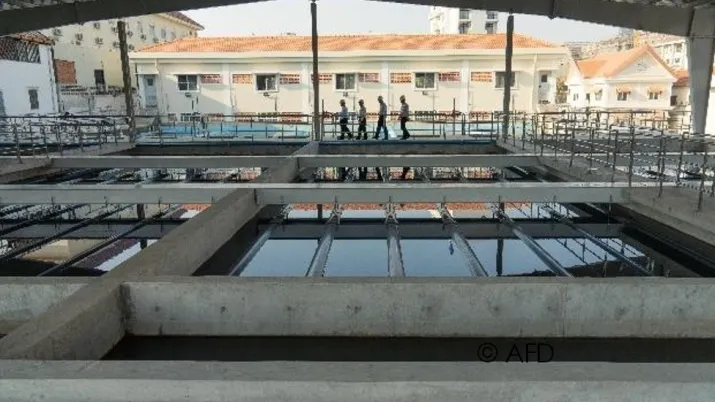
- Support agricultural productivity through the improvement of hydro-agricultural infrastructure and the rehabilitation of small and medium irrigated areas and Preks in the regions of Preah Vihear, Kampong Thom, Siem Reap, Battambang, and Kandal;
- Supporting the agro-ecological transition and the development of irrigated areas;
- Improve the distribution of value added within sectors and access to markets.
The total cost of the project is €109 million, including €12.5 million self-financed by MowRAM and MAFF. AFD provides a total of €85 million in concessional loans; in addition, the European Commission is providing €11.5 million in grants for capacity building, technical assistance, and promoting sustainable agricultural transition.
Impacts
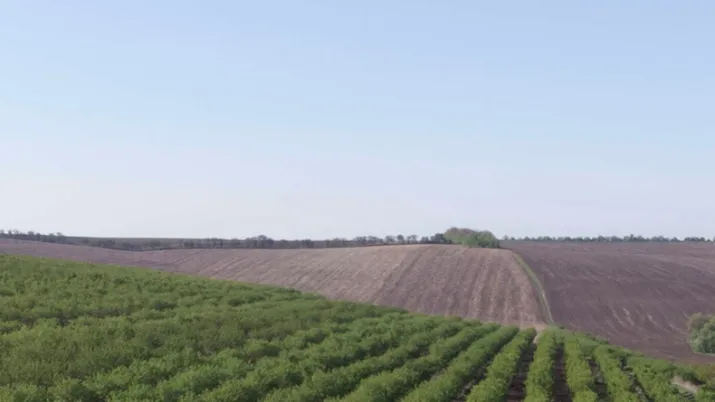
The programme aims to increase irrigated areas from 15,000 to 20,000 ha and rice production by 52,000 tonnes to help reduce rural poverty. Better management of water resources will also enable agricultural diversification, particularly during the dry season, and 600 producers will be trained in agroecological practices. In addition, the creation of associations of agricultural water users will promote the integration of women (40%) and the most vulnerable populations.
Sustainable Development Goals
Zero Hunger
Goal 2 aims to eliminate hunger and malnutrition by ensuring access to safe, nutritious, and sufficient food for all. It calls for sustainable and resilient food production systems and agricultural practices. Achieving this goal depends on progress in several other SDGs. Policymakers play a key role in promoting sustainable large-scale production systems and well-functioning food markets.