Share the page

Marine Ecosystems and Blue Economy Development Program
Project

-
Project start date
-
Status
Ongoing
-
Project end date
-
-
Project duration
-
10 years
-
AFD financing amount
-
€ 200 600 000
-
Country and region
-
Location
-
National
-
Beneficiaries
-
The Republic of the Philippines
-
Type of beneficiary
-
State
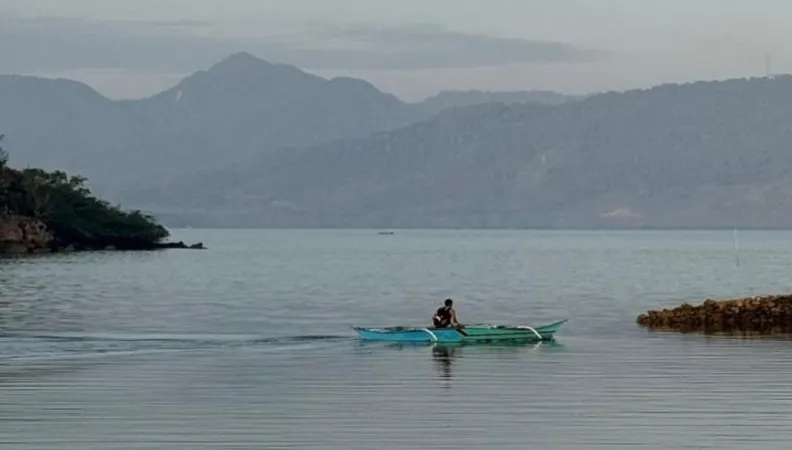
Strengthening the sustainable management of coastal and marine ecosystems and the development of a thriving Blue Economy.
Context
The blue (oceanic) economy is a key driver of the socio-economic development of the Philippines. It already contributes significantly to the national economy (3.9% of annual GDP in 2023) and supports the livelihoods of 60% of the population, particularly in rural areas. Healthy coastal and marine ecosystems also play a key role in the climate goals of the Philippines. However, environmental degradation threatens these ecosystems, the blue economy, and the communities that depend on them.
The country is among the major contributors to marine plastic pollution. In addition, unsustainable practices in industry, fisheries, and tourism continue to degrade mangroves, seagrass, coral reefs, and fish stocks. This degradation increases the vulnerability of coastal areas to climate impacts and weakens their natural carbon sequestration capacity. Climate change, manifested through more intense typhoons, storms, flooding, rising sea temperatures, ocean acidification and prolonged drought- further amplifies these pressures. Coastal rural communities, often poorer than the national average, are particularly vulnerable, especially women, due to their traditional roles and limited access to information and decision-making.
Description
The program aims to support priority public policy and institutional reforms to support the development of resilient coastal and marine eco-systems for a thriving blue economy in the Philippines. The program consists of budget support and a technical cooperation program. A matrix of public policies is structured around three key reform areas: (i) integrated and inclusive management of coastal and marine ecosystems, (ii) enhancing plastic and other solid waste man-agement and circularity, and (iii) strengthening planning, budgeting and investment in natural capital.
The reform areas are interdependent, strengthening the productivity and sustainability of the blue economy, and contributing to the empowerment of women. The program is financed through sovereign loans provided by the Asian Development Bank (ADB), the French Development Agency (AFD) and the Kreditanstalt Für Wiederaufbau (KFW).
The total estimated cost of the program is around USD 1.4 billion, broken down as follows: ADB: USD 500 million AFD: EUR 200 million KFW: EUR 200 million. These loans will be accompanied by grants to finance a technical cooperation program. AFD has in this respect reserved €600k from its Blue Carbon facility.
Impacts
The program aims to restore and sustainably manage the country’s coastal and marine ecosystems, ensuring that the growth of the Philippine blue economy follows a sustainable path, especially in the face of climate change. It will support the creation of an enabling environment for integrated and inclusive approaches to managing coastal and marine ecosystems and the livelihoods that depend on them.
Expected outcomes include sustainably managed marine resources, an increase in mangrove cover and marine protected areas by one third nationwide, and promotion of responsible coastal aquaculture. It will support improved waste management and the adoption of circular economy practices, leading to a reduction in annual plastic emissions to the oceans (leakage) by almost 1/3 and a doubling of the proportion of plastics collected, recycled or recovered, while contributing to the empowerment of women in the waste value chain.
Through the institutionalization and formalization of natural capital and blue carbon assessments, the program will facilitate investments in nature, resulting in the application of natural capital assessment (NCA) frameworks to public policies, as well as in an increase in public and private financing in ecosystem services and blue carbon.
Sustainable Development Goals
Life Below Water
Goal 14 promotes the conservation and sustainable use of marine and coastal ecosystems, based on three main ambitions: 1/ More sustainable management of resources by protecting 10% of marine and coastal areas, and combating overfishing and illegal fishing; 2/ Accelerating scientific research and technology transfer to build ecosystem resilience and reduce ocean acidification; and 3/ Promoting sustainable marine resource management as an opportunity for economic and tourism development, particularly for small island developing states and least developed countries.