Share the page

Sustainable management of Taytay's marine resources - Sea Academy + Taytay : Objectif 30x30
Project

-
Project start date
-
-
Project end date
-
-
Project duration
-
3 years
-
AFD financing amount
-
€ 450 000
-
Country and region
-
Type of financing
-
Beneficiaries
-
Sulubaaï Environmental Foundation
-
Type of beneficiary
-
CSO
The project, led by the Sulubaaï Foundation, contributes to conserving and restoring Taytay’s marine ecosystems through an integrated approach combining science and local communities. The goal is to promote sustainable and fair management together with coastal populations.
Context
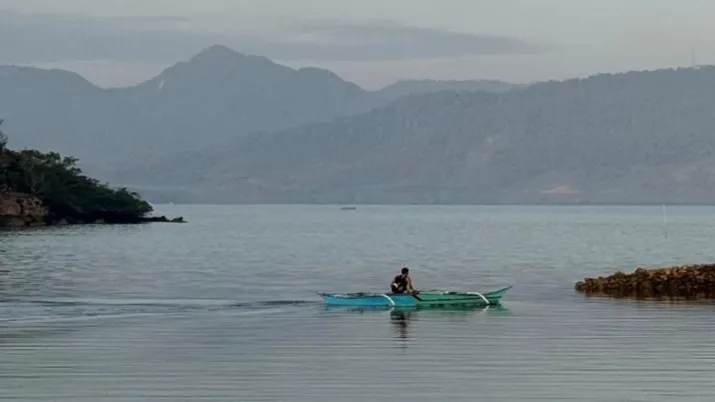
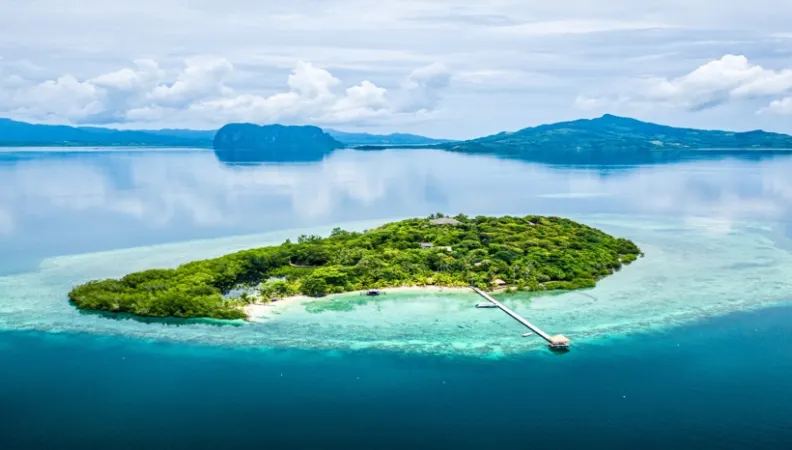
Shark Fin Bay, in Palawan, is home to one of the richest coral biodiversities in the world and is a mainstay for coastal communities. This balance is now under threat from destructive fishing, deforestation and climate change, which are causing rapid reef degradation and undermining local livelihoods. The project addresses these challenges by restoring reefs, promoting sustainable resource management and strengthening community resilience, particularly among fishers. It also encourages the development of alternative income-generating activities to reduce exclusive dependence on fishing.
Description
The project combines several complementary actions to sustainably preserve marine ecosystems and support local communities. It establishes marine protected areas, managed with a long-term perspective. At the same time, it encourages the development of alternative economic activities to fishing, capable of generating income while reducing pressure on natural resources. An interdisciplinary scientific approach supports these efforts by informing area management, strengthening awareness and fostering the replication of successful experiences. The whole initiative rests on participatory governance that directly involves communities, in a spirit of social justice, ecological sustainability and poverty reduction. To ensure its continuity, the project includes a robust support and training system, aimed at both local stakeholders and partners interested in replicating these initiatives in other territories.
Impacts
The project will significantly increase the area under strong protection in the Shark Fin and Taytay bays, contributing to ecosystem preservation and restoration. It will make the 30% strong-protection target achievable by 2030. Income-generating activities will be developed to reduce pressure on fishing and improve food security. Research will support sustainable management, while awareness-raising will strengthen knowledge and mobilize young people. Around 1,800 people will benefit directly from the project, including 300 fishers, 1,200 students, 80 researchers and 70 people creating a local job. 8,000 residents will be indirect beneficiaries.
Sulubaaï Environmental Foundation
Since 2012, Sulubaaï has worked to preserve and restore ecosystems (particularly marine ones) by supporting the creation of community-based marine protected areas (MPAs), and by offering innovative techniques for coral restoration, fish restocking and mangrove restoration. Sulubaaï’s identity is rooted in the integration of local communities, an interdisciplinary science-based approach to management, and the transfer of knowledge and skills as part of an effort to empower local communities. Its marine conservation efforts were recently recognized by the Marine Conservation Institute, which awarded Gold-level Blue Park status to the network of MPAs created with Sulubaaï’s support. The foundation carries out scientific studies in marine ecology, fisheries and social sciences to inform management of the bay. Through its work, Sulubaaï helps preserve biodiversity and strengthen the food security of coastal populations.
Sustainable Development Goals
Life Below Water
Goal 14 promotes the conservation and sustainable use of marine and coastal ecosystems, based on three main ambitions: 1/ More sustainable management of resources by protecting 10% of marine and coastal areas, and combating overfishing and illegal fishing; 2/ Accelerating scientific research and technology transfer to build ecosystem resilience and reduce ocean acidification; and 3/ Promoting sustainable marine resource management as an opportunity for economic and tourism development, particularly for small island developing states and least developed countries.