Share the page
In the Horn of Africa, pastoralism helps preserve land and strengthen food sovereignty
Published on
Ahead of the COP17 on desertification, AFD has reaffirmed its commitment in East Africa to pastoralism, a form of livestock farming that helps protect ecosystems, while increasing food security and regional stability.
The United Nations has designated 2026 as the International Year of Rangelands and Pastoralists, a global initiative to recognize pastoralist communities and promote secure access to land, mobility, and markets. In the Horn of Africa, AFD is already turning this ambition into action.
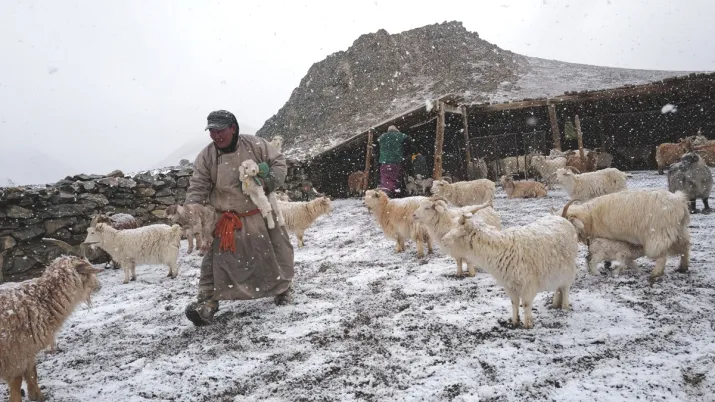
Pastoralism, an extensive livestock production system based on herd mobility and the use of natural grazing lands, is a key driver of social and economic resilience. Across the arid lands of Kenya, Ethiopia, and Somalia, it supports the livelihoods of around 20 million people and accounts for an average of 57% of the region's agricultural GDP. In Kenya alone, pastoralism contributes 12% of national GDP, while in Somalia it is the primary source of livelihood for 60% of the rural population.
A tool to combat desertification
Drawing on the traditional knowledge of pastoralist communities, pastoralism also helps protect ecosystems and biodiversity. It plays an essential role in food sovereignty and efforts to combat desertification by:
- maintaining vegetation cover, as herd mobility prevents continuous overgrazing and allows native vegetation to regenerate naturally,
- improving water infiltration, as moderate trampling breaks up the dry surface crust of the soil, allowing rainwater to penetrate more effectively,
- dispersing seeds, as livestock naturally transport and deposit native plant seeds across grazing lands,
- reducing the risk of wildfires, as regular grazing limits the buildup of highly flammable dry biomass, helping prevent fires that damage soils.
Despite these benefits, the sector continues to face chronic underinvestment, fragmented markets, weak governance, and persistent gender inequalities.
The Regional Livestock Program: A long-term response
To address these challenges, AFD has supported the Regional Livestock Program (RLP) since April 2025. The program is co-financed by the Swiss Agency for Development and Cooperation (SDC) and implemented by Mercy Corps, CIRAD, Helvetas, and the IGAD Centre for Pastoral Areas and Livestock Development (ICPALD).
Covering five cross-border livestock corridors, including Tog Wajaale (Ethiopia/Somaliland), Galkayo (Ethiopia/Somalia), and Wajir (Kenya), the program pursues three objectives: strengthening livestock production and competitiveness for 37,500 beneficiary farms, connecting pastoralists to national and international markets, and harmonizing regional policy frameworks on pastoralism.
CIRAD contributes research on livestock mobility, climate impacts, animal health, and business models, strengthening the evidence that pastoralism is both a sustainable and competitive production system adapted to the region's environmental and economic realities.
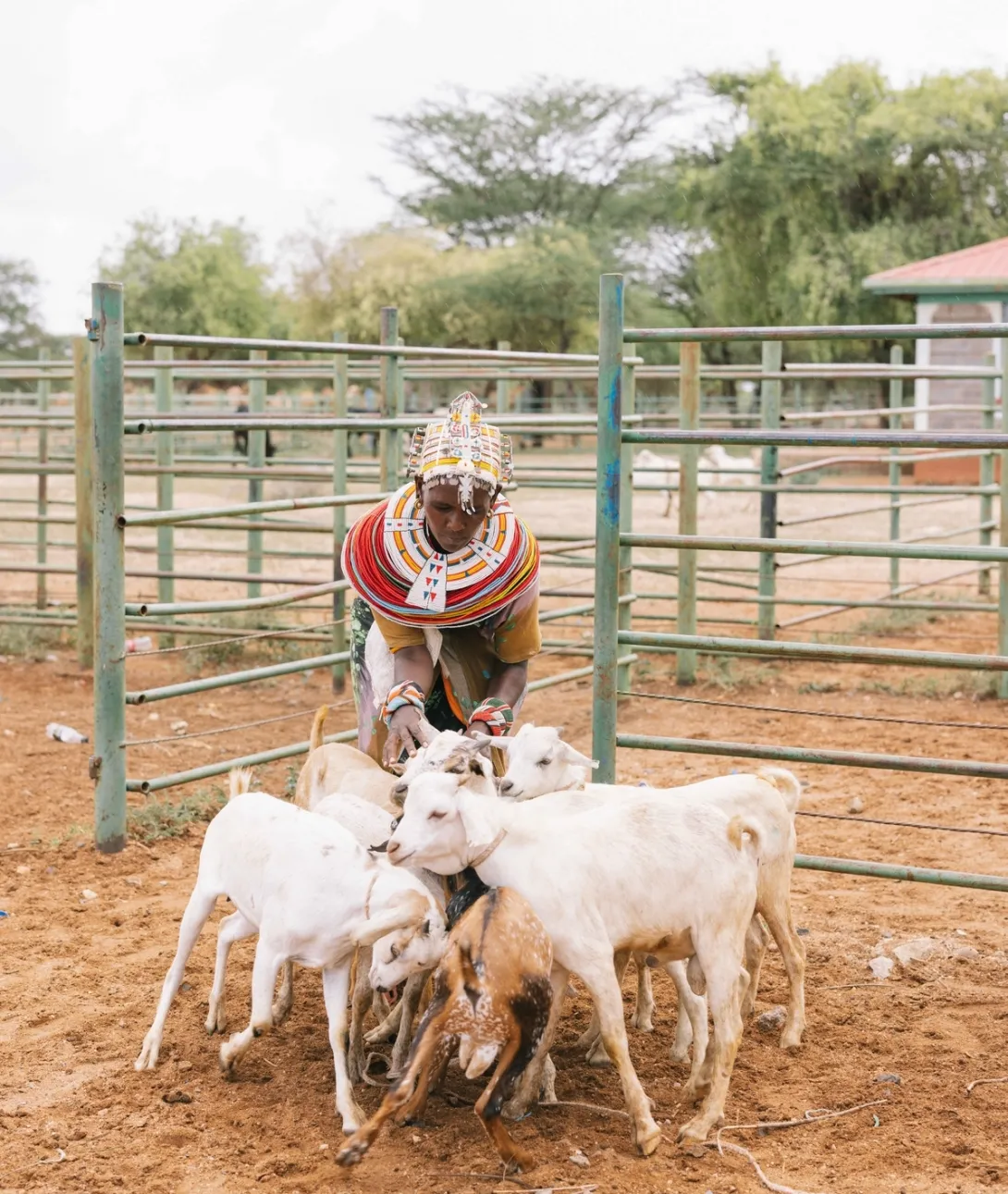
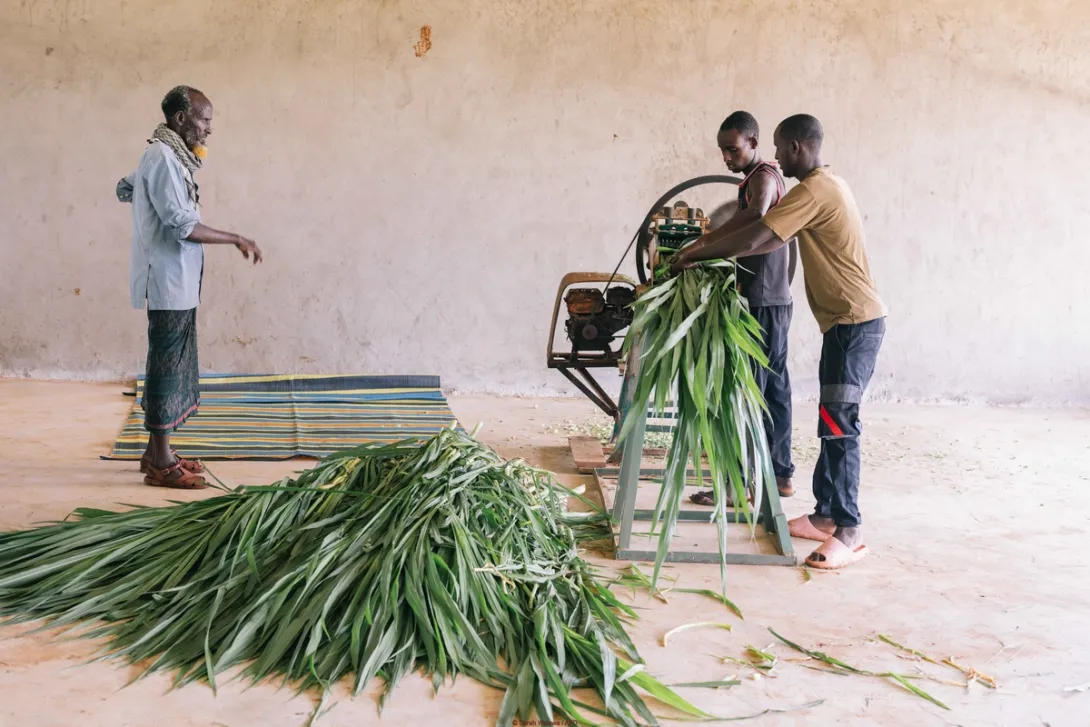
The program will benefit more than 540,000 people, with particular attention given to women, who account for 30% of beneficiaries. Women play a central role in camel milk production and marketing, which provides an essential source of income for many households across the Horn of Africa.
Youth entrepreneurship is another key driver of sector development. The program aims to make pastoralism a more attractive and professionalized sector in one of Africa's most fragile regions.
Reducing tensions over water and grazing land
Support for the Regional Livestock Program is provided through AFD's Minka Peace and Resilience Tool, reflecting the close links between pastoral livelihoods and regional stability.
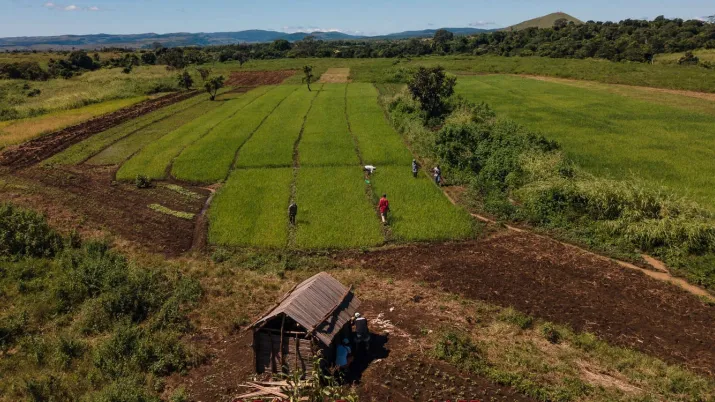
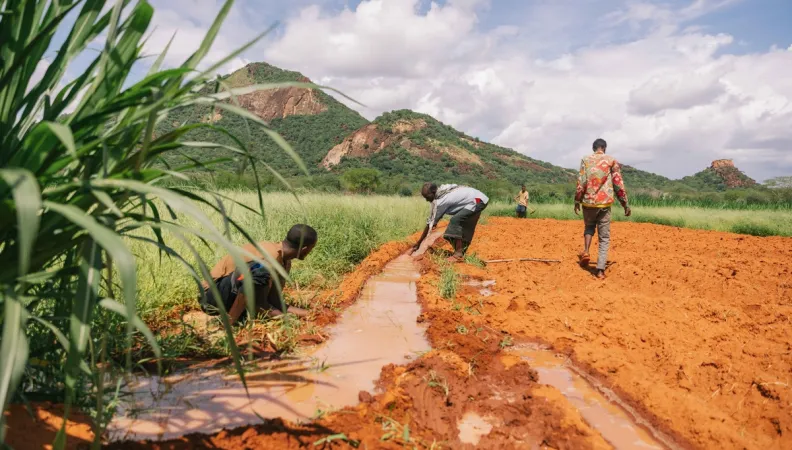
AFD's support aims to transform competition between pastoralists and sedentary farmers into collaborative natural resource management in order to prevent conflict. Activities include creating platforms for dialogue, developing shared agropastoral infrastructure, securing transhumance corridors, and strengthening local mediation mechanisms to prevent and resolve disputes.