Share the page

Upgrading of the wastewater treatment plant and rehabilitation of the wastewater network in the historical area of the city of Durrës
Project

-
Project start date
-
Status
Ongoing
-
Project end date
-
-
Project duration
-
65 month
-
AFD financing amount
-
€ 118 500 000
-
Country and region
-
Location
-
Durres, Albania
-
Beneficiaries
-
Republic of Albania
-
Type of beneficiary
-
State
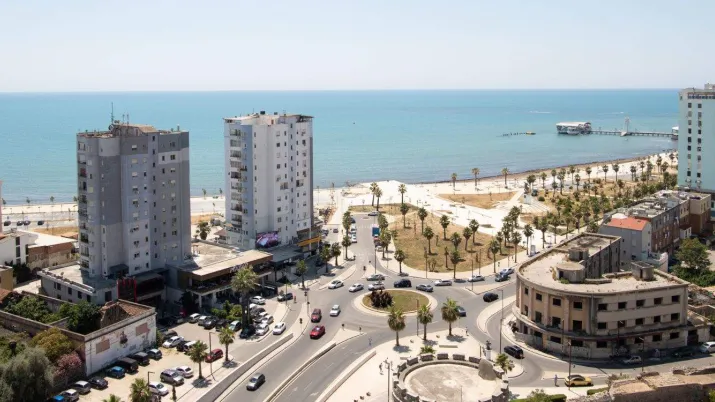
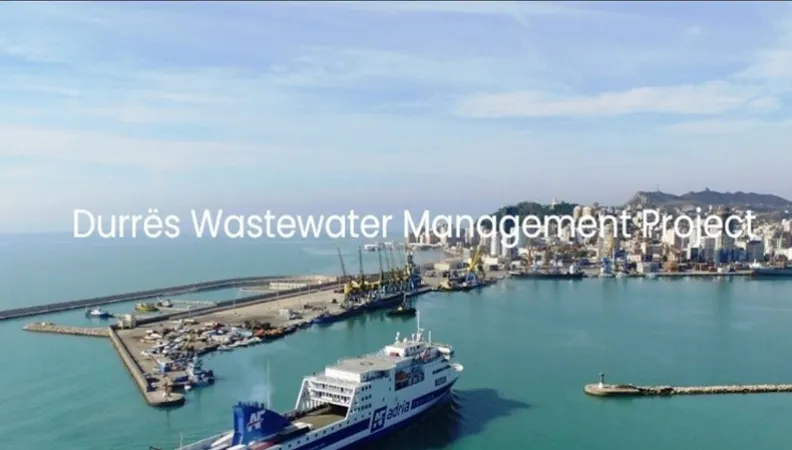
Durrës, the main maritime port and seaside resort of Albania, is also the second city of the country. Its sewage system is old and suffers from deficiencies leading to a high pollution of surface water. By mobilizing a grant from the WBIF, AFD will develop a modernized and separative sewerage network as well as an efficient wastewater treatment plant.
Context
The Albanian sanitation infrastructure does not meet European standards, with only 54% of wastewater collected and 14% treated at the national level. Durrës, an economic hub and a major tourist destination, suffers from a dysfunctional sewage system. Less than a quarter of the city’s wastewater reaches the treatment plant, which is ineffective in treating it; the rest is discharged without treatment into drainage channels leading to the Adriatic Sea. As Albania moves towards EU accession, compliance with EU directives such as urban water treatment has become a national priority. The Durrës project is aligned with the national water strategy 2020-2030, whose ambition is to strengthen the connection to sanitation services to preserve the environment and the health of the population.
Description
The project aims to modernize the sanitation infrastructure of Durrës in order to meet European standards for urban wastewater treatment. It includes the construction of a separative network of 97 km, the renovation of 3 existing pumping stations and the construction of an additional station, and the modernization/extension of the treatment plant to increase its capacity to 350,000 PE. It also provides for sludge valorization and the ecological development of the area (urban forest, wetland), as well as technical support to the operator, DWSRU.
The project is being financed as follows: €33 million in the form of an AFD loan, and €86 million in the form of a WBIF grant, including interest.
Impacts
The project will improve the management of wastewater in Durrës by increasing the collection and treatment rate from 20% to 85%, benefiting 343,000 inhabitants. It will contribute to the reduction of coastal pollution and greenhouse gas emissions (–27,000 tCO2/year) through the modernization of the wastewater treatment plant and biogas recovery. The restoration of 14 hectares of natural areas will strengthen local biodiversity. Finally, the project will participate in the country’s compliance with the new European standards on urban wastewater treatment (2024/3019).
Sustainable Development Goals
Clean Water and Sanitation
Goal 6 seeks to achieve universal and equitable access to safe drinking water, hygiene, and sanitation by 2030, especially for vulnerable populations. It also calls for sustainable water management and reducing the number of people affected by water scarcity.
The goal includes the concept of transboundary water management, which is key not only to sustainable governance but also to peace and cooperation.