
 The content of this project information sheet falls under the sole responsibility of the AFD and does not necessarily reflect the opinions of the European Union.
This project is carried out with the support of the European Union
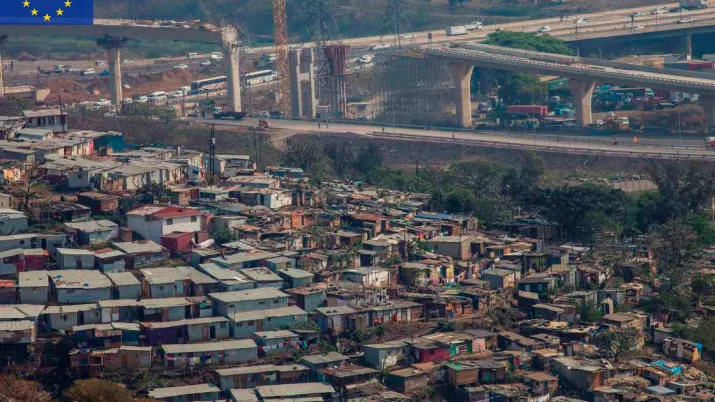
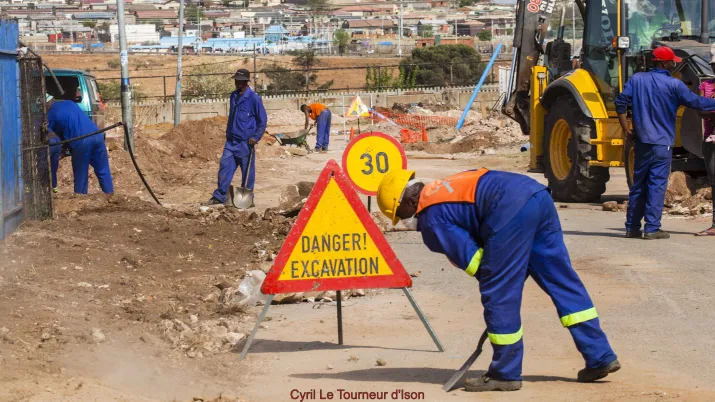
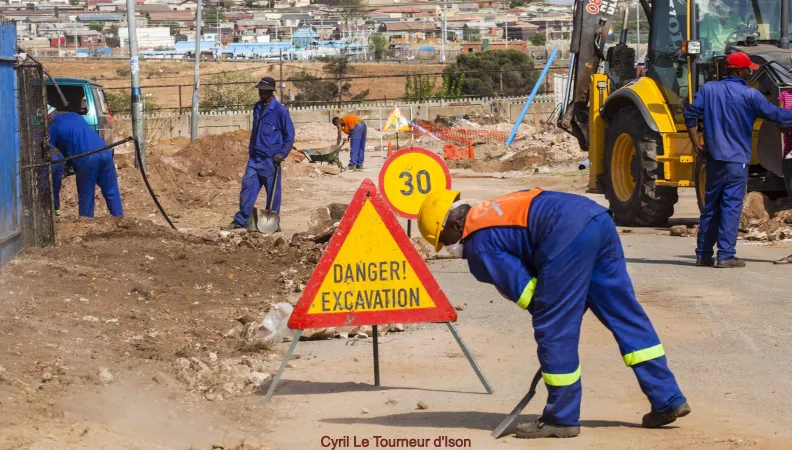 Legal notice EU (project) What is the role of Public Employment Programmes (PEPs) in South Africa’s social protection system, and how do they contribute to employment, inclusion, and inequality reduction? The Extension of the EU-AFD Research Facility on Inequalities program seeked to answer this question.
Context
In South Africa, escalating unemployment, rising poverty and structural inequality remain persistent challenges, with young people and marginalized communities disproportionately affected. Many workers remain excluded from stable formal employment, and rely on social grants for basic income security. PEPs have emerged as a key policy instrument to address these structural gaps, providing temporary work, income support and skills development opportunities.
These programmes operate alongside traditional social protection measures, including cash transfers and grants. While PEPs offer immediate employment and income, it is critical to understand their broader impact beyond income effects, and how they intersect with poverty reduction, inclusion, and long-term labour market outcomes.
This project is part of the Extension of the EU-AFD Research Facility on Inequalities. Coordinated by AFD and financed by the European Commission, the Extension of the Facility will contribute to the development of public policies aimed at reducing inequalities in four countries: South Africa, Mexico, Colombia and Indonesia over the period 2021-2025.
Objectives
To better understand the role of PEPs within South Africa’s evolving social protection landscape, this study analyzed how they intersect with unemployment, inequality, and social policy. The study highlighted structural inequalities – such as land dispossession, concentrated economic power, and spatial inequities – that perpetuate poverty and unemployment.
In particular, the paper focused on redefining the relationship between social assistance and public employment. The study explored how PEPs can go beyond merely providing income support to leveraging the added value of work, enhancing social inclusion, and fostering skills development. The study revealed how integrated and differentiated strategies are needed in order to address the diverse labour market challenges by advocating for scalable, rights-based employment guarantees and adaptive policy frameworks to balance social and economic imperatives.
Research findings
You will find below the research paper and the "Policy Dialogues" publication related to his project:
- Public Employment Programmes in South Africa’s Changing Social Protection Landscape
- Strengthening Public Employment Programmes in South Africa’s Social Protection Framework
Contact
-
Anda DAVID
Economist, scientific coordinator of the EU-AFD Facility on Inequalities

Discover other research projects
Redesigning the South African “Social Relief Distress” grant program for higher impact
Completed
2023 - 2023
Evaluation of local stimulus effects in South Africa: Jobs and grants programmes
Completed
2022 - 2023
 Legal notice EU (project) What impact do fiscal policies and social spending have on closing gender gaps in Colombia? The Extension of the EU-AFD Research Facility on Inequalities program seeks to explore this question in close collaboration with the Colombian government and in partnership with Universidad de los Andes.
Context
As recent figures indicate, inequality and poverty in Colombia have increased in recent years, especially after the Covid-19 pandemic. The deterioration of these indicators places Colombia among the most unequal countries in the world. The Multidimensional Diagnostic on Inequalities in Colombia also demonstrates that gender gaps are particularly prevalent in the country. Indeed, employment rates are lower for women than for men at all levels of education. For example, in 2020, while the employment rate of women without any level of education reached 31%, for men it was 65%.
In this context, the Colombian government is committed to reduce the gaps between population groups and between territories and has identified closing gender gaps as one of its priorities. Given this situation, it is critical to delve into the understanding of the causes and solutions to inequality, and identify ways through which inequality can be reduced through public policies, social spending and fiscal policy.
In order to support the Colombian government in the development of public policies aimed at reducing inequalities, the Extension of the EU-AFD Research Facility on Inequalities, in close collaboration with local research centres and local authorities, has already:
- Elaborated the Multidimensional Diagnostic on inequalities and generated statistics on inequalities with the National Administrative Department of Statistics (DANE). The diagnostic is a statistical overview of inequalities from multiple angles that seeks to support public policy decisions by providing key information for the reduction of the most important gaps in the country.
- Implemented a fiscal incidence analysis through the methodology of the Commitment to Equity (CEQ), and, in close collaboration with the Ministry of Finances, elaborated a tool, which enables to assess the impact on inequalities of the latest tax reform in the country, through micro-simulations.
These two studies opened the door to new possibilities of analysis that provide data, information and relevant knowledge for the Colombian Government as an input to strengthen the design, implementation and monitoring of policy instruments that can reduce the inequality and gaps between population groups, especially those of fiscal policy and social spending.
This project is part of the Extension of the EU-AFD Research Facility on Inequalities. Coordinated by AFD and financed by the European Commission, the Extension of the Facility will contribute to the development of public policies aimed at reducing inequalities in four countries: South Africa, Mexico, Colombia and Indonesia over the period 2021-2025.
Objectives
This research project will use innovative methodologies to take advantage of the information derived from the merging of surveys, databases and administrative records to strengthen the understanding of the impacts of the fiscal and spending measures of the Colombian government on closing gender gaps, and more generally, to strengthen the analysis of income inequality measures in Colombia.
This study also aims to generate an in-house capacity allowing the Government of Colombia to continue reporting and analysing new inequality metrics that inform the design of more equitable public policies in the country.
Method
The research project will:
- Develop a methodology for the analysis of the impacts of fiscal and government spending measures on closing gender gaps and income inequality in Colombia, based on the CEQ tool;
- Determine the necessary methodological and operational components that will be updated on a recurring basis by different actors involved in public policy decision-making;
- Estimate a battery of indicators of the impact of fiscal, tax and social spending policy on gender gaps.
The analysis will use surveys, databases of supply and demand of social programs, as well as administrative records and tax information of natural persons, integrating them into a CEQ model. These data will serve as a basis for the inclusion of the gender approach and for the analyses that will be carried out as part of this research.
Throughout the research, working groups will be organised with the National Planning Department, the National Administrative Department of Statistics, the National Tax and Customs Directorate and other stakeholders who can contribute to the conceptual and methodological development of the research, the analysis of the results and the application of the tool to policy processes.
Research findings
You will find below the different research papers related to this project:
In progress
Contact
-
Anda DAVID
Economist, scientific coordinator of the EU-AFD Facility on Inequalities
Discover other research projects
Analyzing the employment effects of the “green economy” transition in South Africa
Completed
2023 - 2024
 Legal notice EU (project) What would be the impact of a carbon tax policy on poverty and inequality in Indonesia? How can we design effective policies that simultaneously meet environmental and distributive objectives? In partnership with LPEM, the EU-AFD Research Facility on Inequalities aims to adapt the CEQ Institute framework to understand the distributional impact of actual and potential carbon prices in Indonesia, as well as potential mitigation options.
Context
Indonesia’s commitment to carbon emission reduction is aligned with its global responsibilities under the Paris Agreement. The country is also one of the 52 national jurisdictions in the world that have established carbon pricing regulations (World Bank, 2023). The primary goal of carbon pricing instruments implementation is to support Indonesia in achieving its Nationally Determined Contribution – which are commitments that countries make to reduce their greenhouse gas emissions as part of climate change mitigation.
In this context, the Government of Indonesia intended to introduce carbon pricing instruments on a voluntary basis from 2021 to 2024, with a shift to mandatory enforcement expected by 2025. Despite its modest start, the introduction of this tax marks a considerable advancement in Indonesia, particularly given the few low and middle income countries that have implemented a carbon tax.
Using carbon pricing as a method to foster a decarbonised economy is a significant policy instrument, yet it can lead to uneven burdens across different societal groups. These measures, while environmentally beneficial, may inadvertently promote inequality. If these disparities are not addressed, the push towards global decarbonation could be hindered, achieving less impact or imposing uneven costs.
Using an analytical tool from Commitment to Equity Institute (CEQ Institute), this research project aims to improve the design of policies that can both deliver environmental goals whilst reducing the distribution burden, by ensuring a just transition.
This project is part of the Extension of the EU-AFD Research Facility on Inequalities. Coordinated by AFD and financed by the European Commission, the Extension of the Facility will contribute to the development of public policies aimed at reducing inequalities in four countries: South Africa, Mexico, Colombia and Indonesia over the period 2021-2025.
This research project complements two studies carried out by the EU-AFD Research Facility on Inequalities in collaboration with the Indonesian government on Marine Protected Areas development policies and the production of a diagnostic on inequalities in the country.
Objectives
The general objective of this research project is to assess the environmental (emission) and welfare-distributional effects (indicators of poverty and inequality) of trading and non-trading instruments (carbon price and revenue). Specifically, the study aims to incorporate heterogeneous cost and impact assessments across the archipelago of Indonesia.
The study will focus on the impact of carbon pricing and other indirect fiscal instruments (taxes and subsidies) combined with direct taxes and social transfers that can assist in the mitigation of these instruments on welfare distribution and environment.
Method
In order to design more effective policies that meet both environmental and distributive objectives, CEQ Institute has developed an analytical tool using micro data on household characteristics, behavioural science and a data analytical tool known as microsimulation modelling. It is an ex ante planning tool taking micro units, such as households, and simulating policy changes in advance of policy implementation.
The framework incorporates the following discrete analytical dimensions:
- Methodological frameworks to model the distributional impact of fuel related fiscal policies;
- An Input-Output framework to track the indirect impact of carbon prices;
- Behavioural implications of alternative environmental challenges using a demand system;
- Identifying just transition solutions using social protection instruments.
The dataset integrates two primary sources: the 2016 Table Input Output from the Central Bureau of Statistics (BPS) and the 2022 National Socioeconomic Survey (SUSENAS). Data and information from the Indonesian Directorate General of Taxes and from various relevant ministries are also used to conduct the study.
Research findings
The research paper related to this project is available for download here: Data Analytics for a Just Transition. Distributional Impacts of Environmental Policies (Indonesia)
The study concludes that the success of Indonesia’s energy transition will depend not only on its environmental effectiveness but also on its ability to ensure fairness across different segments of society.
For further information

Contact
-
Anda DAVID
Economist, scientific coordinator of the EU-AFD Facility on Inequalities
Other research projects supported by the Extension in Indonesia
Harnessing the benefits of inequalities reduction in marine protected areas in Indonesia
Completed
2022 - 2023

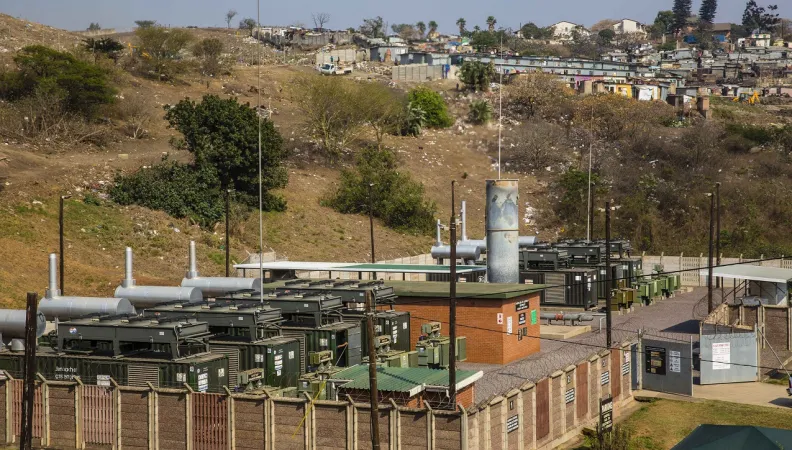 Legal notice EU (project) How can the South African government prepare the transition of workers from the coal sector to a low-carbon economy? What is the socio-demographic and spatial profile of workers in the coal value chain? What are the social protection options for preventing the potential rise in unemployment and inequality caused by the just transition? The Extension of the EU-AFD Research Facility on Inequalities is exploring these questions in partnership with the Development Policy Research Unit at the University of Cape Town.
Context
South Africa remains one of the most unequal countries in the world. The country’s high-income inequality is driven primarily by extreme differentials in the labour market, where over 30% of the labour force is unemployed and earns zero income (Leibbrandt et al., 2010; StatsSA, 2024). Reducing unemployment is therefore at the heart of South Africa’s social and economic challenges, and is key to lower the level of inequality.
Coal is an important industry in South Africa and is central in the just transition. Rough estimates of total employment in the coal value chain alone are close to 200,000 – roughly 1.2% of total employment – while the contribution to output sits at 5.4% of growth domestic product (Makgetla et al., 2021). Moreover, the coal industry is highly geographically concentrated and underpins a large share of local and regional economic activity in certain areas, particularly localities within the Mpumalanga province.
In this regard, the potential negative employment impacts of a transition away from coal, and toward low carbon energy production, presents a significant socio-economic challenge for a country still dealing with the vestiges of apartheid. It is thus critical that the risks associated with these potential adverse employment effects are managed to ensure that inequality is not worsened by an unplanned transition.
This project is part of the Extension of the EU-AFD Research Facility on Inequalities. Coordinated by AFD and financed by the European Commission, the Extension of the Facility will contribute to the development of public policies aimed at reducing inequalities in four countries: South Africa, Mexico, Colombia and Indonesia over the period 2021-2025.
Find out more about the Extension in South Africa
This work is also part of AFD's dialogue with the South African authorities on the just transition and the identification of reforms to be implemented to ensure an inclusive transition.
Objectives
There is currently a limited understanding of how many workers are likely to be affected by a transition away from coal; how these workers vary by age, skill, or income level; what an effective social protection policy package for such workers would involve; how much a given basket of policies is likely to cost; and the financing options available. Yet, these are crucial elements in designing and implementing policies that limit the negative social and economic effects of transition and prevent potential increases in unemployment and inequality.
This project aims to make two primary high-level contributions:
- First, it will count and profile existing workers in coal and related industries using reliable, spatially sensitive microdata. This includes an analysis of employment, wages, and wage inequality;
- Second, it will propose a basket of social protection policies tailored to the identified worker profiles, with attendant modelled cost estimates, and potential financing options. This includes a focus on the wage inequality implications of various policy scenarios that highlight the importance of a just transition in South Africa.
Method
The research project has four main components that will encompass the following analytical areas:
- The utilisation of tax data to accurately identify at-risk employees in coal mining, coal-based electricity generation, and coal-adjacent industries, locating them spatially across the country. This will provide a reliable estimate of the number of direct and indirect coal industry workers at risk of being adversely affected in a shift away from coal.
- The production of detailed gender, age, and earnings profiles of the identified at-risk workers in the sector. This exercise is anchored around worker earnings and will be used to identify sub-groups, or cohorts, of workers who will require different forms of protection and support based on their existing skills, earnings, and age profile. The earnings data will in addition be utilised to examine inequality dynamics within the coal value chain and between coal value chain workers and those employed in mining generally and in the formal economy as a whole.
- Using these worker profiles to provide a framework of suitable policy options for the different cohorts in order to develop a comprehensive social protection response. Policy options would include individually assigned combinations of interventions such as early retirement packages, grants, and skills development. Furthermore, the study will provide a comprehensive overview of the various social protection policies available in South Africa and determine whether they could apply to affected workers.
- Examination of scenarios for declining coal employment and model a series of associate cost estimates for the various policy response options. This includes modelling possible policy scenarios over the full-time horizon of existing employees. The result is a costed picture of the implications of the just transition policy for South Africa’s coal sector, that includes a discussion of potential public finance options. The findings will also shed light on potential inequality outcomes to emerge from different just transition policy scenarios.
Research findings
The project resulted in two research papers, available below:
- Counting and Profiling Coal Mining Industry Jobs (July 2025):
Subcontracted employment within the coal mining industry has grown, now constituting nearly half of all jobs. The workforce is relatively young, requiring transition policies that prioritize skills development and job placement. Men comprise the bulk share of employees in the coal mining industry, although female participation has risen over time. Coal mining industry jobs are relatively well paid, with the average coal miner wage surpassing that of the average formal sector worker, thus making income support for displaced workers financially burdensome. Wage inequality within the coal mining industry is lower than wage inequality within the broader formal sector economy. Thus, should coal miners transition from jobs in the relatively low inequality coal mining industry, to jobs in high inequality industries, then it is possible that overall inequality will rise.
- Ameliorating the Consequences of Coal Job Destruction - A Just Transition Policy Matrix Approach (October 2025)
Ensuring a just energy transition in South Africa requires supporting workers to absorb the negative shocks of structural change. Central to this is the design of a comprehensive social protection package for coal mining workers. This paper proposes the “just transition policy matrix” approach, which uses micro data to tailor policy responses to the needs of different groups of at-risk workers.
Temporary income support dominates expenditure in all scenarios, followed by education and training. Existing policies can be leveraged to support displaced workers. Nonetheless, when applied to coal workers, funding gaps remain, requiring additional fiscal resources and implying a substantial rise in social protection spending.
For further reading

Contact
-
Anda DAVID
Economist, scientific coordinator of the EU-AFD Facility on Inequalities
Discover other research projects on inequalities
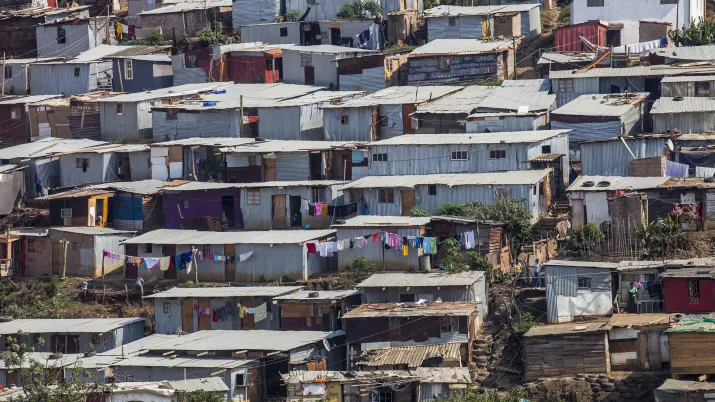

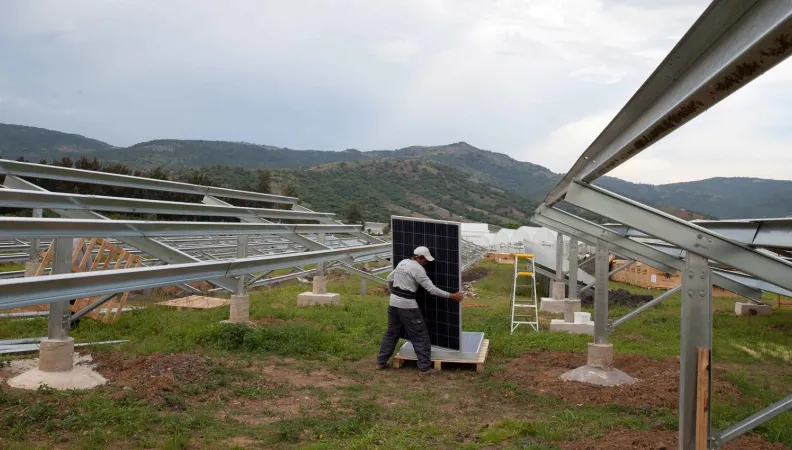 Legal notice EU (project) The energy transition is a challenge and a necessity for Mexico’s economic transformation. What role can socially owned renewables and energy cooperatives play in enhancing the livelihoods of the most vulnerable and in reducing inequality?
Context
The energy transition is a challenge and a necessity for Mexico’s economic transformation as, on the one hand, the country spends 7.6% of its GDP on fossil fuel subsidies and, on the other hand, in 2020 it was estimated that the economic impact of climate disaster increased by 202%. In order to achieve a successful energy transition and secure a sustainable growth path, Mexico needs to modernize its energy sector, reduce reliance on fossil fuels, and ensure sustainability. However, it is necessary to start from the territory, involving communities in the co-construction of resilience and the strengthening of local productive chains. Community and cooperative models play an essential role in promoting the creation of collective businesses managed in a democratic and solidarity-driven manner.
An example of just transition opportunities are energy cooperatives. They are a clear and promising model that involves local communities in the production, distribution and consumption of renewable energy, promoting decentralization and democratization of energy, especially in those territories historically and systematically excluded.
However, research conducted in Mexico during the first phase of the Research Facility on Inequalities showed low wealth sharing and limited social mobility in the country. In this context, it is necessary to address the just energy transition from an intergenerational social mobility approach and a social perspective to ensure benefits for the whole society.
This work is also part of AFD's dialogue with the Mexican authorities on options for diversifying the economy and reducing inequalities.
This project is part of the Extension of the EU-AFD Research Facility on Inequalities. Coordinated by AFD and financed by the European Commission, the Extension of the Facility will contribute to the development of public policies aimed at reducing inequalities in four countries: South Africa, Mexico, Colombia and Indonesia over the period 2021-2025.
Objectives
In partnership with the Centro de Estudios Espinosa Yglesias (CEEY) and in collaboration with the National Institute of the Social Economy (INAES), this research project aims to develop a conceptual and analytical research input for a better understanding of the role that renewable energy cooperatives can play in reducing inequality and increasing social mobility, and how they can be financed.
This input will:
- Conceptualise the just energy transition approach in the area of existing structural inequalities;
- Make a diagnosis from the perspective of intergenerational social mobility, as well as from the perspective of social and solidarity economy, and its relevance in the framework of just transitions, in order to establish identification criteria, social selection and prioritisation of projects;
- Use this diagnostic to propose criteria for the identification and selection of projects that prioritise the populations with the greatest disadvantages of origin (with the least space for social mobility), given the requirement of «no losers» of the just transition;
- Review and articulate technical issues related to decentralised energy and distributed generation, given their importance in the social economy in the just energy transition;
- Review the current INAES projects related to the subject in order, where appropriate, to guide the construction of identification and selection criteria.
Method
The research team will first conduct an exhaustive review of literature focused on environmental justice, climate justice, social mobility applied to environmental justice and intergenerational environmental justice. The literature will be analysed from the perspective of the energy transition and the intersection of these issues.
Based on this review of literature, researchers will develop a conceptual framework to understand the just energy transition in the field of current structural inequalities. It will also explain how this conceptual framework can be relevant for public policy decision-making.
The research team will also identify information gaps and research needs, with a special focus on the study of just energy transitions.
Research findings
You will find below the research paper related to this project: Just Energy Transition, Structural Inequities, and Social Mobility: The Case of Mexico
For further reading
Contact
-
Anda DAVID
Economist, scientific coordinator of the EU-AFD Facility on Inequalities
Discover more research projects in Mexico


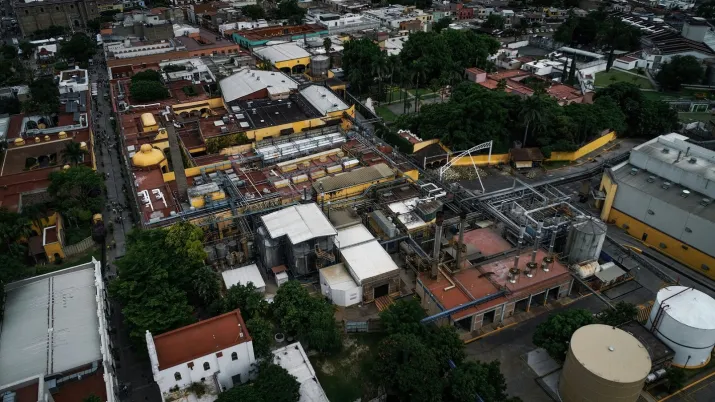
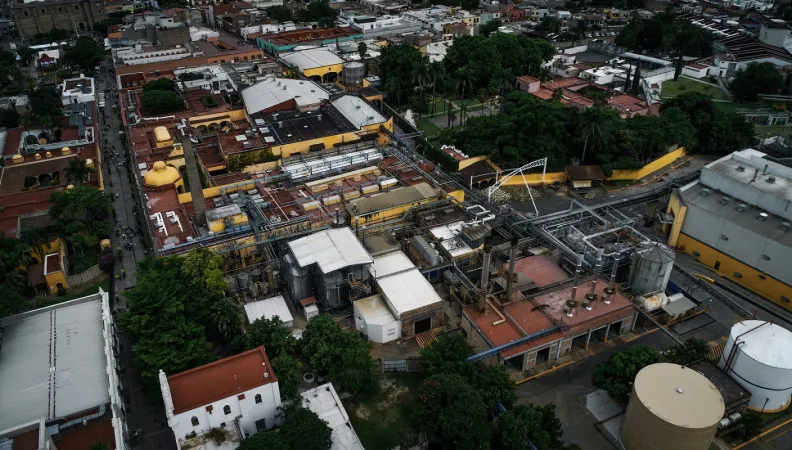 Legal notice EU (project) The phenomenon of relocation of value chains not only presents a set of challenges but also a unique opportunity to harmonise regional development throughout Mexico and to reduce inequalities. This research project, in partnership with Monterrey Institute of Technology and Higher Education, will examine this phenomenon in greater depth, focusing on the components of energy and human capital.
Context
Trade integration has been very beneficial for Latin America and the Caribbean (LAC) over the past 30 years. However, multiple crisis (the financial crisis of 2008, the Covid-19 pandemic, the climate crisis, etc.) have generated uncertainty about the future of the multilateral trading system. For example, the Covid-19 pandemic highlighted the fragility of certain value chains due to the vulnerability of a system in which factories are located at the other end of the world from where these goods are consumed. All this is leading to reconfigure global value chains, which tend to shorten, becoming less global and more regional – a phenomenon known as the “nearshoring model”. This new context creates an opportunity for LAC countries, and especially for Mexico, which identify themselves as the best alternative for the relocation of value chains under the nearshoring model.
Historically, the Mexican North-Central states have benefited most from the processes of integration into global value chains. This is natural, since it is where the manufacturing export base is located due to its proximity to the United States. On the other hand, the South-South-East of the country presents historical lags that make it significantly difficult to integrate it into global value chains and, therefore, to take advantage of change in the current international context.
In this regard, it is imperative to design strategies to take advantage of the opportunity presented by the nearshoring phenomenon, taking into account the particular problems of each region. This two-speed strategy is essential to define public policy interventions that can achieve more equitable regional development.
This project is part of the Extension of the EU-AFD Research Facility on Inequalities. Coordinated by AFD and financed by the European Commission, the Extension of the Facility will contribute to the development of public policies aimed at reducing inequalities in four countries: South Africa, Mexico, Colombia and Indonesia over the period 2021-2025.
This research project complements the work carried out by the Extension of the Research Facility on Inequalities in Mexico on the national care system and on the redistributive impact of environmental policies.
Objectives
This project aims to deepen the study of the phenomenon of relocation of global value chains to Mexico, recognising the challenges and opportunities it generates:
- First specific objective: To present a proposal to overcome one of the most critical bottlenecks identified by the productive sector, which is electricity generation. It is suggested to close the investment gap in electricity in the short term, through investment in distributed generation with solar panels, as well as exploring sustainable and equitable options, with a particular focus on the State of Nuevo León (North of the country).
- Second specific objective: To identify economic sectors with potential to benefit from the phenomenon of relocation of value chains and to address existing gaps in the formation of talent and human capital, emphasising social inclusion and gender equity. This will include a detailed analysis for the states of Oaxaca and Veracruz (South of the country), aiming to develop skills in emerging and traditional sectors, and prepare the workforce to take advantage of opportunities in the medium and long term.
- Third specific objective: To develop a strategic plan for the implementation of a portfolio of solutions based on the recommendations identified in the first and second specific objectives.
Method
- First specific objective: Scenario analysis will be used to measure the gap between demand and capacity for electricity generation. Solar distributed generation capacity scenarios will use Geographic Information Systems spatial analysis tools, while the estimates on the redirection of subsidies will be taken from official public sources.
- Second specific objective: Generated using a combination of international and national databases, economic metrics will serve to identify opportunities to boost productive diversification. A preliminary analysis will suggest industry clusters to prioritize. This will allow to select economic sectors with the potential to trigger industrial development, through interventions in the field of talent training. Talent gaps will then be identified through quantitative analysis. This cabinet analysis will be complemented with qualitative information (interviews, focus groups with key actors…).
- Third specific objective: The strategic plan will follow a mission-oriented policy approach, including a detailed action plan to be presented to the Mexican Federal Government. The plan will consist of a map of possible executing units within the federal, state and/or municipal governments, an analysis of the regulatory and institutional constraints that the plan could face, as well as strategic alternatives to overcome them.
Results
The project resulted in 3 research papers:
- Gaps in Human Capital and Labor Demand in Oaxaca
- Redesigning Electricity Subsidies for Distributed Generation in Mexico: A Fair Transition Model Applied to Nuevo León
- Institutional Implementation of In-Kind Subsidies for Distributed Generation: Multi-Level Governance and Policy Design in Nuevo León
For further reading
Contact
-
Anda DAVID
Economist, scientific coordinator of the EU-AFD Facility on Inequalities
Discover other research projects on inequalities


 Legal notice EU (project) Reducing spatial inequalities is a priority for the Colombian government, which uses a public policy tool – the General Participation System (GPS) – to achieve this objective. This research project aims to analyse the impact of the GPS strategy on reducing spatial inequalities in Colombia, in partnership with the research center Acción Pública.
Context
In Colombia, the oil and coal mining industry is an important source of fiscal revenues, including royalties. The Sistema General de Participaciones (or General Participation System, GPS) has therefore been set up to organise the transfer of these royalties – that come from the exploitation of non-renewable natural resources – from the Ministry of Finance and Public Credit to territorial entities. These resources finance the provision of services in the sectors of education, health, drinking water and basic sanitation, general purpose and special allocations, in the different regions of Colombia. This mechanism aims at ensuring a fair distribution of income, which is essential since spatial inequalities in terms of access to services are still significant in Colombia – as shown by the multidimensional diagnosis of inequalities carried out with the support of AFD. For example, while in urban areas, the secondary education coverage rate is close to 100%, it is 50% in rural areas.
The Strategy for monitoring, follow-up and control of the resources of the GPS is a public policy tool led by the Ministry of Finance and Public Credit to carry out control over the management of the resources transferred. This strategy, in implementation for almost 15 years, identifies alerts and cases of non-compliance with the goal of assuring continuity, coverage and quality in the provision of public services. This seeks to prevent and mitigate risks in the provision of social services throughout Colombia, which is essential for the construction of equity across the country, as well as to prevent territorial gaps from widening with regards to the institutional capacities of local governments and to the provision of social services for all populations, regardless of their location.
This project is part of the Extension of the EU-AFD Research Facility on Inequalities. Coordinated by AFD and financed by the European Commission, the Extension of the Facility will contribute to the development of public policies aimed at reducing inequalities in four countries: South Africa, Mexico, Colombia and Indonesia over the period 2021-2025.
This work is also part of AFD's dialogue with the Colombian authorities on tax reform and the reduction of spatial inequalities.
Objectives
This research project seeks to generate recommendations with the purpose of analysing and strengthening the role of the GPS tool – “the Strategy” – as a mechanism for closing territorial gaps in institutional capacities to provide social services.
Two research objectives have been identified, one in the field of diagnosis, and another in the field of recommendations:
- Identify the achievements, limitations, and challenges of the implementation of the Strategy in closing territorial gaps in the institutional capacities of territorial entities and in the provision of essential social services.
- Provide recommendations to strengthen the Strategy in its role of institutional assistance for the closing of territorial gaps.
Method
The project will focus on sectors that receive more resources from the GPS, present more risks in their provision and are the most relevant as essential social services: education, health, drinking water and basic sanitation, and indigenous reservations.
The research methodology will be mixed methods and will include:
- A document review at the level of the Ministry of Finance and Public Credit and the territorial entities selected as a case study;
- A secondary data analysis;
- In-depth interviews with a subsample of the selected territorial entities.
Research findings
You will find below the research paper related to this project:
Assessing the Impact of the Monitoring, Follow-Up, and Control Strategy on Territorial Inequalities in Colombia (November 2025)
Contact
-
Anda DAVID
Economist, scientific coordinator of the EU-AFD Facility on Inequalities
Discover other research projects
Analyzing the employment effects of the “green economy” transition in South Africa
Completed
2023 - 2024
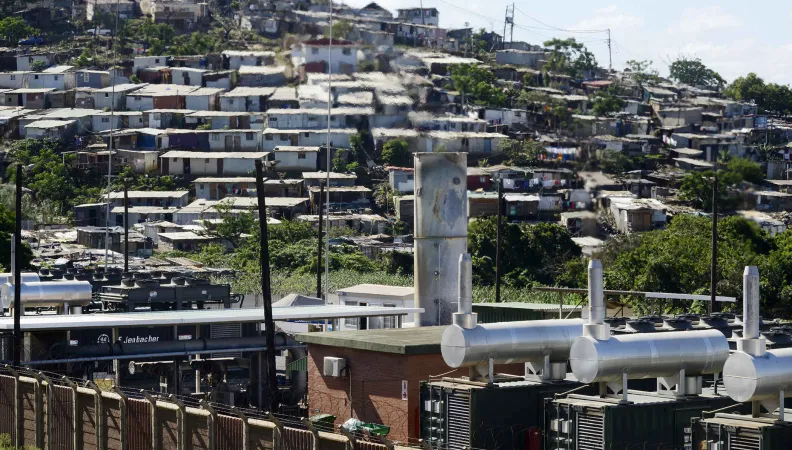 Legal notice EU (project) South Africa has embarked on the necessary path of a just transition, which will result in job losses in the coal sector, at a time when unemployment in the country is already very high. AFD, in partnership with the REAL Centre of the Wits University, is conducting a detailed analysis of the skills ecosystem that could feed into the various initiatives to support local authorities and communities of the Nkangala district in meeting this challenge.
Context
With one of the highest youth unemployment rates in the world, South Africa’s planning for a just transition needs to take into account the vulnerabilities of its youth cohorts, especially those that can be qualified as “not in education, employment or training” (NEET). For example, a recent study conducted in the framework of the EU-AFD Research Facility on Inequalities revealed that the Mpumalanga province, the region with the highest exposure to the coal exit, has had a NEET youth rate of over 37% for the past decade, with almost three-quarters of them living in income-poor households.
Since 2019, the National Business Initiative (NBI) has been spearheading a multi-faceted and multi-sector partnership, which focuses on expanding and growing pathways for young people to access Installation, Repair and Maintenance (IRM) occupations. The IRM initiative is strategically aligned to various initiatives of the government to drive inclusive recovery and revitalisation of the economy, particularly in the aftermath of the Covid-19 pandemic. It has subsequently been incorporated as part of the Presidential Youth Employment Intervention (PYEI). The Initiative works on the premise that, by supporting township-based IRM entrepreneurs to strengthen and grow their businesses, and by linking them to localised market opportunities, there will be a concomitant increase in the demand for skilled labour, which could lead to the creation of employment opportunities. Therefore, it is a direct response to the youth unemployment challenge.
Collaborating closely with the NBI, the Centre of Researching Education and Labor (REAL Centre) contributed its expertise to the comprehensive analysis of the four key regions identified in Phase 1 of the IRM skills ecosystem mapping project: Atlantis (Western Cape), Mandeni (KwaZulu-Natal), Mamelodi (Gauteng), and Kathorus (Gauteng). Building upon the success of this initial phase, the REAL Centre will now expand the project's scope to the Nkangala district municipality, which is one of the three districts of Mpumalanga province.
This project is part of the Extension of the EU-AFD Research Facility on Inequalities. Coordinated by AFD and financed by the European Commission, the Extension of the Facility will contribute to the development of public policies aimed at reducing inequalities in four countries: South Africa, Mexico, Colombia and Indonesia over the period 2021-2025.
This work is also part of AFD's dialogue with the South African authorities on the just transition and the reduction of inequalities.
Objectives
This research project will conduct a detailed analysis of the skills ecosystem that could feed into the various initiatives to support local authorities and communities in the Nkangala district, which concentrates the coal-fired power plants that will be closed as a result of just transition policies.
Phase 1 of the project revealed that an IRM skills ecosystem mapping project is crucial for addressing inequality by thoroughly analysing the socioeconomic and demographic profiles of diverse townships in South Africa.
By identifying specific skill gaps and understanding the challenges faced by Small, Medium, and Micro Enterprises (SMMEs) in these areas, the study can inform targeted interventions aimed at reducing inequality in access to employment and economic opportunities.
Furthermore, by examining the role of Technical and Vocational Education and Training (TVET) institutions and conducting a comprehensive literature review, the study ensures that proposed interventions are evidence-based and tailored to the needs of the communities studied.
Ultimately, the study's approach of generating actionable insights in collaboration with stakeholders aims to drive meaningful impact and promote inclusive economic development in underserved regions, contributing to efforts to reduce inequality, to advance the principles of just transition and to foster a more inclusive society.
Method
Building on Phase 1 of the IRM skills ecosystem mapping, researchers will apply the following method:
- They will set the context for the Nkangala district through desktop research and a few selected key informant interviews;
- They will collect primary data and set up fieldwork through stakeholder mapping workshops and key informant interviews to collect data;
- They will then provide an initial narrative on the overarching local skills ecosystem from the site mapping exercise and will draw on the document review and contextual work on the Nkangala district. Drawing on Spours’ (2019) work on ecosystems, they will use three core elements: the dimensions of verticalities, horizontalities and mediation to understand and analyse the skills ecosystem Nkangala district and to guide the cross-site analysis, building on the work undertaken during Phase 1.
Research findings
You will find below the different research papers related to this project:
Contact
-
Anda DAVID
Economist, scientific coordinator of the EU-AFD Facility on Inequalities
Discover other research projects

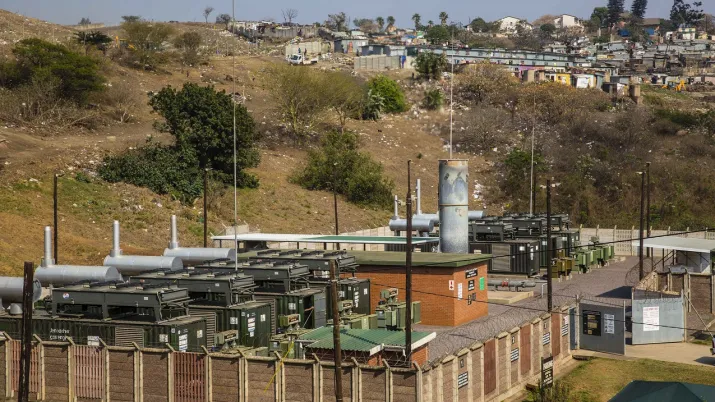
Evaluation of local stimulus effects in South Africa: Jobs and grants programmes
Completed
2022 - 2023