
Share the page
Nigeria
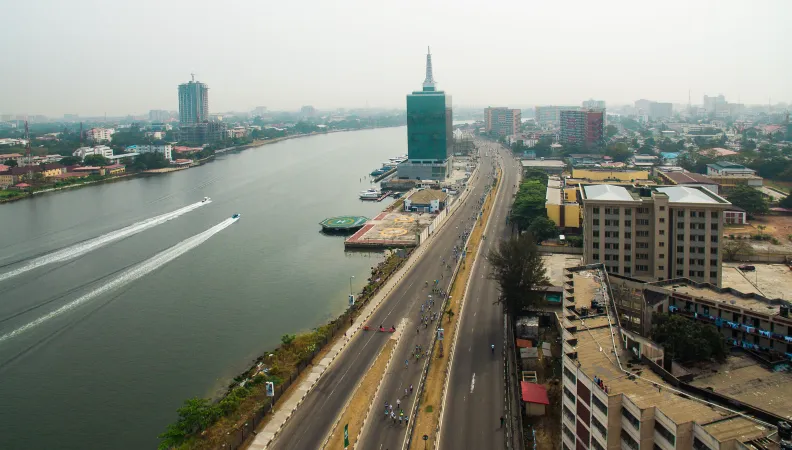
Representing the largest population in Africa and a leading economic force in the Gulf of Guinea and West Africa, Nigeria is a pivotal emerging economy. Present in the country since 2008, AFD has become a key partner supporting this transformation. Its diversified financing contributes to building a competitive, job-creating economy while promoting inclusive, shared, and resilient development, with a focus on economic diversification, sustainable infrastructure, and low carbon growth.
Context
Located in West Africa, Nigeria combines considerable economic and human potential with major development challenges linked to rapid demographic growth, marked territorial disparities, significant infrastructure needs, and strong exposure to climate, social, and economic shocks. With an estimated population of around 230 million people, it is the most populous country in Africa and one of the continent’s leading economies. Nigeria is currently implementing structural reforms aimed at strengthening macroeconomic stability, improving competitiveness, and fostering more inclusive and sustainable growth. The country also benefits from major assets: a dynamic private sector, a fast-growing entrepreneurial ecosystem, an innovative digital economy, and a central role in regional integration across West Africa.
Present in Nigeria since 2008, AFD Group supports this transformation in partnership with federal authorities and state governments. Its action seeks to expand access to essential services, strengthen territorial resilience, and promote growth that creates jobs and opportunities. Interventions focus in particular on human capital development through education, skills, health, and social protection; sustainable cities through mobility, water, and urban infrastructure; energy transition and climate adaptation; agricultural transformation and food security; as well as governance, financial inclusion, and private sector development.
Aligned with national priorities, AFD’s 2026-2030 intervention framework supports Nigeria’s ambition to consolidate its trajectory toward a more competitive, inclusive, and resilient emerging economy. It is structured around two complementary pillars:
- supporting the drivers of inclusive and inequality reducing growth in order to address socio-economic vulnerabilities;
- strengthening climate resilience and promoting sustainable development.
AFD Group’s action is built on strong partnerships and innovative financing approaches that enhance scale and impact. The Group works closely with Nigerian authorities, public institutions, federated states, and the private sector, while mobilizing strategic co-financing with major partners such as the World Bank, the African Development Bank, the European Union, and the Islamic Development Bank.
Lastly, AFD Group delivers an integrated offer through its different entities: AFD for public sector financing, Proparco for private sector support, and Expertise France for technical cooperation and institutional capacity building. Cross-cutting priorities gender equality, youth inclusion, digital innovation, governance, and climate co-benefits are embedded across all interventions to ensure long term sustainability and relevance.
AFD's Nigeria office is directly attached to the Gulf of Guinea regional office in Abidjan.
Our approach
AFD Group and Nigeria: Strategic development priorities (2026-2030)
Harnessing Nigeria’s demographic potential requires stronger human capital systems and broader access to opportunity. AFD’s actions therefore focus on improving the quality, relevance, and inclusiveness of education, training, and employment pathways, particularly for youth, women, and vulnerable groups. Support is deployed at both federal and state levels through technical and vocational education, higher education modernization, entrepreneurship promotion, and stronger links between training institutions and labor market needs. Priority sectors include agriculture, energy, digital innovation, and the creative economy, where demand for skilled labor is growing rapidly.
Social inclusion is also reinforced through expanding engagement in health and social protection. This includes support to health governance, workforce development, universal health coverage mechanisms, and systems that help vulnerable households better withstand economic shocks. Together, these actions contribute to reducing inequalities and strengthening long term resilience.
Rapid urban growth presents both opportunities and major service delivery challenges for Nigeria’s cities. In response, AFD supports integrated urban development that improves mobility, strengthens resilience, and enhances access to basic services. Particular emphasis is placed on sustainable public transport systems, urban planning, flood management, and coastal resilience measures in large metropolitan areas facing congestion and climate risks.
Access to drinking water and sanitation remains another key priority. AFD contributes to national and state level water sector reforms through investments that improve production capacity, extend distribution networks, strengthen utilities, and promote more efficient management models. By combining transport, water, and urban resilience interventions, AFD helps make Nigerian cities more inclusive, productive, and liveable.
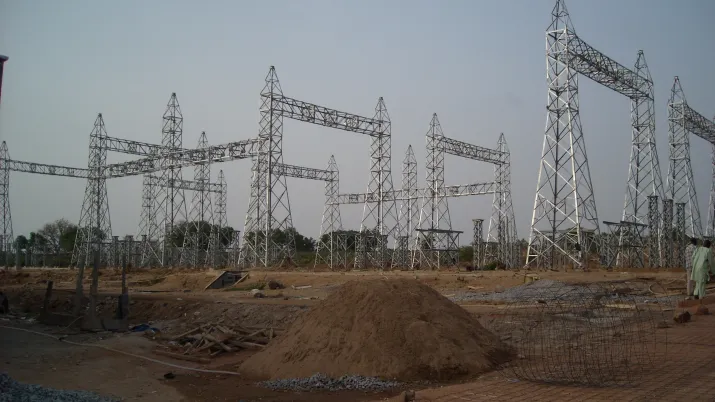
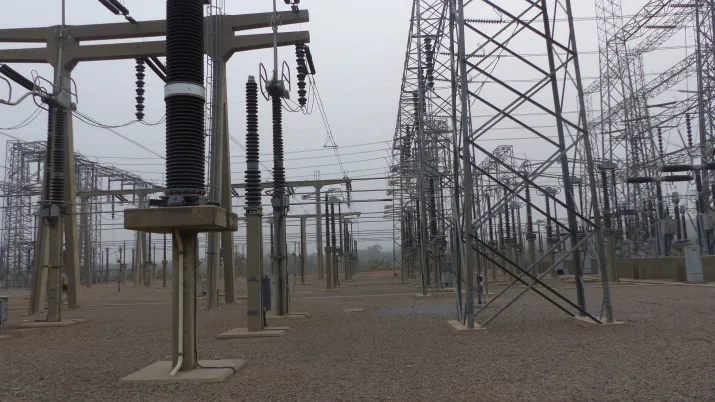
Meeting Nigeria’s growing energy demand while advancing climate objectives requires a diversified and more resilient energy system. AFD supports this transition through investments in transmission infrastructure, improved grid reliability, and greater access to electricity for underserved populations. Strengthening the national network is essential to reduce system losses, support economic activity, and enable broader territorial inclusion.
At the same time, AFD promotes renewable energy development and decentralized solutions to complement the grid and expand access in remote or difficult to serve areas. These interventions are aligned with Nigeria’s energy transition plans and climate commitments, while contributing to lower emissions, increased competitiveness, and improved living standards.
AFD supports agriculture as a key driver of employment, food security, and territorial cohesion in Nigeria. Its strategy focuses on modernizing agricultural value chains, improving market access, strengthening agricultural logistics, and promoting climate smart production systems. Particular attention is given to increasing productivity, reducing post-harvest losses, and enhancing resilience to climate shocks.
AFD also promotes rural skills development, entrepreneurship, and better integration of producers into markets, especially for young people and women. By strengthening food systems and rural incomes, these interventions help reduce regional disparities and support more balanced economic development.
AFD supports reforms and institutions that are essential to Nigeria’s long term economic transformation. AFD's actions aim to improve public governance, institutional effectiveness, and digital public services, while enhancing the enabling environment for investment and private sector development.
In the financial sector, AFD works with public and private institutions to expand access to finance for SMEs, entrepreneurs, women-led businesses, and productive sectors. Dedicated instruments also support climate finance, infrastructure investment, and innovation. By combining financing tools with technical expertise, AFD contributes to a more inclusive, resilient, and competitive economy capable of generating sustainable growth and jobs.
In the field
Below, find the country's projects, news, publications, and contact details in one click.
Projects

News & Press Releases
From local venues to screens worldwide, Africa’s cultural industries are booming
Published on May 7, 2026

Africa–France academic partnerships (PeA) program: Five new recipients
Published on December 12, 2025

Lagos State partners with AFD, European Union, and European Investment Bank to launch Omi Eko project
Published on October 22, 2025

Publications & Media
Key figures
-
35 projects financed in 12 years
-
2 billion euros of commitments since 2008
-
2 million people benefit from improved access to drinking water