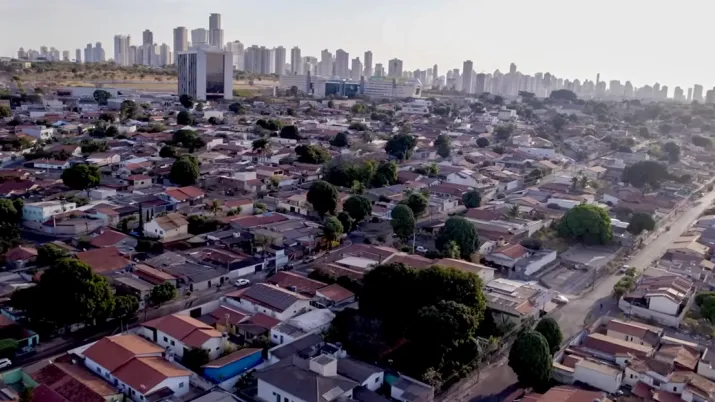
 How can digital commons support the empowerment of actors historically excluded from public action? This action-research project follows the development of the Brasil Participativo digital platform, launched by the Brazilian government in the summer of 2023.
Context
As part of the revival of participatory forums dismantled under the presidency of Jair Bolsonaro (2019–2022), this project is an action-research initiative focusing specifically on the implementation of the Brasil Participativo platform. Launched by the Brazilian government in the summer of 2023, this platform aims to facilitate citizen contributions to the creation and improvement of public policies. It was developed using the Decidim web environment — a digital participation platform that, as of 2023, was being used in 30 countries and by 240 institutions.
This project was selected under AFD's call for research proposals on “Commons and Citizen Participation”, which invited proposals exploring how commons contribute to democratic practices and citizen participation; the interactions between commons-based actors and public institutions; and the capacity of commons to shape public action.
The project is part of AFD’s research program on the commons and will contribute to ongoing reflections on the “commons-based approach” — a framework closely tied to issues of democracy and citizen engagement, as it seeks to establish shared, operational governance of the complex challenges faced by public authorities, in partnership with citizens.
FIND OUT MORE ABOUT...
Objectives
This action-research project aims to:
- Analyze the Brasil Participativo initiative over the 2023–2025 period through the lens of the commons approach — focusing in particular on its governance, use, and user-generated contributions;
- Formulate recommendations on the development and governance of the platform, in order to embed principles derived from the commons approach.
Various federal public actors will be involved in the research activities, using a sector-specific approach. Through this sustained dialogue throughout the project, the ambition is to foster stronger connections between public institutions and civil society actors — especially groups that have traditionally been excluded from participatory processes, such as women, people of color, and Indigenous communities.
Method
The project will be carried out by a multidisciplinary team, bringing together academics and civil society actors with expertise in social movements, state–society relations, digital commons, and digital participatory arenas. Public institutions will be involved from the very beginning of the project.
The methodology will combine both qualitative and quantitative approaches — including interviews, document analysis, participant observation, and user data.
Results
The project will lead to:
- Publications, including a final report, research papers, and policy briefs;
- Communication materials co-produced with public institutions and civil society actors;
- The creation of dialogue spaces through co-construction workshops and seminars.
The teams are engaged in a collective dynamic led by La Coop des Communs, the Casa Comum platform, and AFD. The objective is to build a transnational learning community by sharing ongoing work, capitalizing on each other’s experiences, and producing knowledge on the links between commons, citizen participation, and the transformation of public action.This network brings together complementary profiles—researchers, civil society actors, and public decision-makers involved in these initiatives—from Brazil, Colombia, and Europe. Supported by meetings held in Brazil and Italy, this dynamic will lead to a collective publication, currently in preparation, which will compare and contextualize the various research projects undertaken.
Want to stay updated on AFD’s latest research?

Contact
-
Stéphanie LEYRONAS
Research Officer