 Within the framework of the ECOPRONAT research programme, AFD supports the development of methodologies to assess the environmental sustainability at the level of a territory - and more particularly in Colombia and South Africa -, using the ESGAP (Environmental Sustainability Gap) framework. This framework produces a synthetic indicator based on a dashboard to monitor the state of the environment from a strong sustainability perspective.
Context
Public actors need to monitor the state of the environment in order to assess the effectiveness of their actions, prioritize management policies and measures, and thus objectively establish their contribution to the conservation of natural capital. To do so, they must be able to rely on science-based standards to identify the thresholds at which environmental functions can be considered sustainable.
The ESGAP (Environmental Sustainability Gap) is an innovative tool for assessing the condition of a territory’s environmental functions and how sustainable they are. For all critical components of natural capital in the territory concerned (air or water quality, pollution, forest resources, fisheries, etc.), this indicator calculates the difference between their current state and a state that would be sustainable (i.e., a state compatible with the sustainable functioning of the processes necessary for the preservation of life, human activities and well-being). This allows for the calculation of the “environmental sustainability gap”, which highlights the path to environmental sustainability. This can then serve as a guide for public policies to estimate and preserve the critical functions of the natural capital of a given territory. ESGAP has already been tested in New Caledonia, Kenya and Vietnam.
Within the framework of the ECOPRONAT research programme, AFD aims to develop methodologies for assessing strong sustainability, that is, adopting demanding criteria concerning the non-substituability of natural capital by other forms of capital (physical among others) in a territory or country. AFD also wants to promote their use in international frameworks and contribute to emerging international standards on the good ecological state of ecosystems.
Find out more about ECOPRONAT
Objectives
Building on the previous work of University College London (UCL) on the application of ESGAP in countries of the Global South, this research project led by UCL aims to implement the ESGAP framework in Colombia and South Africa. It will test its relevance in fostering public policy dialogue in these two countries that already have a regulatory framework and natural resources management, but where not all data on biodiversity is available.
More specifically, this project has four objectives:
- Developing the ESGAP components related to biodiversity and the state of ecosystems that could be used by Colombian and South African governments, and promoting the use of science-based targets for ecosystem maintenance;
- Promoting reflection on strong sustainability in Colombia and South Africa through the ESGAP framework, by assessing whether the activities carried out in these countries are within the safe operating space for humanity;
- Clarifying how the ESGAP framework aligns, complements and adds value to other types of existing sustainability indicators that national governments are already using;
- Strengthening the capacity of partner countries to implement the ESGAP framework beyond this research project.
Method
The ESGAP framework is based on a dashboard that provides information on changes in the functional state of 23 components of the environment, focusing on the gaps that exist between these changes and the objectives of maintaining or achieving a "good environmental state". These components cover the 4 main categories of critical and essential environmental functions: resource provision, pollution reprocessing, biodiversity and human health. The scores for each of the twenty-three components are then aggregated to form a synthetic indicator and a dynamic indicator.
The research activities in the two pilot countries is carried out by researchers from Stellenbosch University (South Africa) and the National University of Colombia (UNAL). Capacity building will include training four postgraduate students as well as awareness-raising activities targeting policymakers and other stakeholders, in order for them to take ownership of the ESGAP and use it during public policy formulation.
Expected results
The research teams will produce scientific papers on the relationship between the ESGAP framework and other sustainability indicator initiatives, as well as on the work and calculations of the ESGAP indicators carried out in each country, comparing the cases of Colombia and South Africa. A specific report will be produced on indicators of the state of biodiversity and ecosystems as well as the identification of data sources for the two countries studied.
In addition, an international workshop will be organized to present the complementarities between the ESGAP framework and relevant initiatives of existing sustainability indicators.
Finally, the research team intends to produce several documents for decision-makers and public policy actors:
- A summary of the review of biodiversity indicators and the state of ecosystems, which may be useful for negotiations at the Conferences of the Parties (COPs) to the Convention on Biological Diversity and for the design of national biodiversity strategies and action plans (NBSAPs);
- A webinar with a webinar report on the relationship between the ESGAP framework and other international sustainability reporting initiatives;
- A summary for decision-makers in each partner country on the rationale of the strong sustainability development approach and the methodology and ESGAP indicators that enable it to be implemented.
Download the publications related to the project:
- The SDGs Provide Limited Evidence That Environmental Policies Are Delivering Multiple Ecological and Social Benefits, Earth's Future vol.12 (May 2024)
- Enhancing Environmental Sustainability Through the Environmental Sustainability Gap (ESGAP) Framework in Colombia, Policy Dialogues n°67, Editions Agence française de développement (October 2024)
- Strong sustainability in the SEEA and the wider indicator landscape, One Ecosystem (May 2025)
- Assessing environmental sustainability in Colombia: Metrics and policy recommendations, Environmental and Sustainability Indicators n°27 (September 2025)
A "Research Conversations" webinar presented the results of the articles to the scientific community in November 2024:
Contact
-
Oskar LECUYER
Economist
Discover other research projects


 As part of the ECOPRONAT research programme, AFD is working with the Indian Institute for Human Settlements (IIHS) to analyse the links between urban agriculture, nature-based solutions (NBS) and city-scale resilience in Bangalore. Documenting the role of urban food systems in the production of ecosystem services aims at contributing to the development of sustainable urban development policies.
Context
As the field of research on green infrastructure and nature-based solutions in cities expands, the potential of urban agriculture in the production of ecosystem services remains unexplored. Beyond the benefits of increasing food supply and reducing the vulnerability of urban populations, urban food systems can be at the heart of policies to develop nature-based solutions. This project studies the potential benefits of these systems in the perimeter of Bengaluru, an Indian city with a strong heritage in terms of urban agriculture.
This project is part of the ECOPRONAT research programme, which supports research on how to better take into account biodiversity and mainstream it into key economic sectors.
Objectives
Taking the case study of Bengaluru, this project led by IIHS explores how and why urban food systems, in rapidly developing urban and peri-urban areas, can be seen as nature-based urban solutions that bring benefits to ecosystems and society.
Two research questions are addressed:
- What is the scope and outcomes of urban agriculture for ecosystem services (including pollination) and societal well-being (such as food and nutritional security of the most vulnerable populations)?
- How can we use different co-production pathways across the science-policy-citizen interface to scale up NBS around sustainable urban agricultural practices?
Method
The research methodology is based on three main work packages:
- Synthesis of scientific knowledge on the potential of NBS and existing practices at various scales, and particularly within a chosen ward of Bengaluru with the deployment of pilot interventions;
- Incubation and capacity building: incubating novel NBS ideas and experiments related to pollinator friendly and water conserving urban agriculture, and capacity building through the training of various stakeholder groups;
- Scaling impact by identifying and engaging with different stakeholders, including city-level policy and decision makers, right from the start of the project to ensure the scaling of impact throughout the project.
Results
The expected results of these projects are:
- Academic results on sustainable urban food systems in the context of rapidly urbanizing countries from the Global South, on urban NBS experiences and their effects on ecosystem services (including pollination);
- Knowledge outputs for urban decision-makers on the integration of NBS in urban planning;
- Capacity building and teaching materials on multidisciplinary approaches to urban sustainability.
The project is also testing nature-based solutions aimed at strengthening the resilience of food systems in Bangalore.
An example: the PLUME project
Supported by the IIHS, the PLUME (Pollinator Linked Urban Multifunctional Ecosystems) project is developing pollinator-friendly food gardens in private and public spaces, installing infrastructure such as bee hotels, and raising public awareness of the importance of biodiversity for urban agriculture. The project team has designed a ‘PLUME toolkit’ containing seeds of local species and the appropriate equipment for sowing them, as well as educational tools and a website.
By testing nature-based solutions, PLUME is the action research component of the research carried out by the IIHS on the greening of urban food systems as part of the Ecopronat research programme. It demonstrates how sustainable agricultural practices can be integrated into cities while enhancing biodiversity and citizen involvement through a research-action approach.
Research findings
The research team aims to show how nature-based solutions (NbS) can address urban water security challenges in the Global South — a topic that remains underexplored in the scientific literature, which is still largely focused on the Global North. Drawing on expert discussions and a literature review, they identify the specific characteristics of these contexts (environmental, socio-economic, governance-related, technical capacity, etc.), as well as the barriers and opportunities for implementing these solutions. The goal is to propose concrete avenues to support the more effective and equitable adoption of NbS in cities of the Global South.
Read the research paper

Contact
-
Julien CALAS
Research Officer on Biodiversity
Other projects on Nature-based Solutions supported by ECOPRONAT


 As part of the ENSLAC project, AFD is working with Yes Innovation and its partners to study and identify replicability levers for nature-based solutions in three South American countries – Ecuador, Colombia and Peru. Fifteen initiatives are analyzed in order to understand how natural ecosystems are mobilized in urban areas, what are their impacts and how nature-based solutions (NBS) could be more widely integrated into spatial and urban planning.
Context
Latin America is the second most urbanized region in the world, with 81% of its population concentrated there. This strong urbanization, its rapid growth and the weakness of urban planning policies affect areas of high ecological and environmental value. However, natural ecosystems can be a source of solutions for those involved in urban design and development, in particular to respond to the risks generated or exacerbated by climate change.
Understanding nature-based solutions (NBS), studying their implementation conditions and analyzing their integration into public policies is therefore necessary to ensure the livability of cities in the long term. While NBS and green infrastructure are still recent in the urban landscape, initiatives have been deployed for several years and are a privileged source of data to exploit.
This project is part of the ECOPRONAT research programme, which supports research on how to better take into account biodiversity and mainstream it into key economic sectors.
Objectives
The ENSLAC (Enabling Nature based solutions Scale-up in Latin American Cities) project aims to analyse the mechanisms that enable the scale-up of nature-based solutions implementation in Latin American cities, drawing on 15 case studies in Peru, Colombia and Ecuador. This research approach aims to:
- Analyze the challenges of ecological restoration for the management of risks related to the impacts of climate change in urban areas;
- Understand the levers for using NBS as a tool for urban planning and development;
- Identify the temporal, technical, cultural, political, social, financial and cooperative processes that have enabled large-scale NBS-based projects;
- Assess the influence of national or supranational strategies and policies on NBS development;
- Disseminate the knowledge produced by focusing on formats and channels that can be used for the training of urban development actors.
To explore these issues, Yes Innovation, based in Quito, works with the Humboldt Institute for Biological Resources Research, an institution linked to the Ministry of the Environment of Colombia, and Periferia Territorios Vivos, a Peruvian organization specialized in urban planning with an ecological approach.
Method
This research project uses two analytical tools (depending on the case study and the available field data):
- Temporal and spatial analysis (known as BA/CI, which refers to a Before/After and Conservation/Intervention analysis);
- Comparative analysis between case studies on NBS and reference cases of comparable characteristics but without implementation of NBS.
Results
The ENSLAC research project aims to:
- Understand mechanisms that enable scale-up of nature-based solutions as a tool for urban and peri-urban planning;
- Identify replicability levers of these NBS for Latin American cities;
- Produce training materials for urban development actors.
The research team presented its findings during a webinar from the Research Conversations series. The replay is available below (in French and Spanish).
Find out more

Contact
-
Julien CALAS
Research Officer on Biodiversity
Other projects on Nature-based Solutions supported by ECOPRONAT
 As part of the ECOPRONAT research program, AFD is seeking to develop new applications of the ESGAP framework, a methodology for assessing environmental sustainability at the scale of a territory. Focusing on Vietnam, where the ESGAP framework was recently tested, this research project aims to assess the physical risks associated with certain economic activities, based on scenarios of environmental pressures.
Context
Public actors need to monitor the state of the environment in order to assess the effectiveness of their actions, prioritize management policies and measures, and thus objectively establish their contribution to the conservation of natural capital. To do so, they must be able to rely on science-based standards to identify the thresholds at which environmental functions can be considered sustainable.
The ESGAP (Environmental Sustainability Gap) is an innovative tool for assessing the condition of a territory’s environmental functions and how sustainable they are. For all critical components of natural capital in the territory concerned (air or water quality, pollution, forest resources, fisheries, etc.), this indicator calculates the difference between their current state and a state that would be sustainable (i.e., a state compatible with the sustainable functioning of the processes necessary for the preservation of life, human activities and well-being). This allows for the calculation of the “environmental sustainability gap”, which highlights the path to environmental sustainability. This can then serve as a guide for public policies to estimate and preserve the critical functions of the natural capital of a given territory. ESGAP has already been tested in New Caledonia, Kenya and Vietnam.
Within the framework of the ECOPRONAT research programme, AFD aims to develop methodologies for assessing strong sustainability, that is, adopting demanding criteria concerning the non-substituability of natural capital by other forms of capital (physical among others) in a territory or country. AFD also wants to promote their use in international frameworks and contribute to emerging international standards on the good ecological state of ecosystems.
Find out more about ECOPRONAT
Goal
The ESGAP pilot project recently conducted in Vietnam made it possible to measure the state of the environmental functions of this country. It identified fisheries resources, soil erosion, air and water pollution as the most degraded dimensions.
It appears that some economic activities can put pressure on these different environmental functions, while other activities depend on their proper functioning. Developing the ESGAP framework is necessary to go further, by integrating the linkages that exist between the economy and the environment and identifying which human activities are concerned.
In order to do this, the research team will try to link ESGAP measures to socio-economic activities and build a monetary ESGAP. The aim will be to assess the physical risks associated with certain economic activities on the basis of scenarios of environmental pressures (such as the breakdown of supply of certain essential environmental services, for example in agriculture). The development of these new applications of the ESGAP framework aims to guide policy makers in designing more sustainable development paths.
Method
The research project will be conducted in two phases:
- The first step will consist in building a “monetary” ESGAP that measures the cost (expressed in monetary units) needed to achieve a sustainable environmental state. This cost is considered an unpaid ecological debt: it corresponds to the cost of effective measures that society would have to spend to achieve a good ecological state. It will be calculated as an abatement cost, that is, the expenditure necessary for human activities (such as production and consumption) in Vietnam to reduce their environmental pressures to a level that does not result in degradation of natural capital (or to an acceptable level, considering the good condition standards considered by the ESGAP).
- The second phase will use the modeling framework developed in the first phase, and assess how different public policies can improve Vietnam’s environmental sustainability by 2035, as well as mitigate the economic risks associated with the loss of the country’s natural capital. First, the team will develop scenarios to determine which interventions can improve Vietnam’s ecological status. Secondly, it will assess the extent to which economic risks related to biodiversity (due to the dependence of the Vietnamese economy on ecosystem services) can be mitigated through these interventions.
Since this study is considered experimental research, the different elements outlined in the research proposal and intermediate results may be adjusted throughout the study based on different factors – such as access to data, data quality, difficulties in implementing certain aspects of the methodology, or unsustainable or misleading results.
Results
The team will produce a synthesis of the study, that will be used as a working document for communication purposes. The final deliverable will outline the methodology, database used and main results of the monetary ESGAP applied in Vietnam and the physical risk assessment methodology for the Vietnamese economy. This final deliverable will explore the relevance of ESGAP for the implementation of public policies aimed at achieving a good state of environmental conditions and future research pathways to link ESGAP measures to socio-economic activities.
Contact
-
Oskar LECUYER
Economist
Discover other research projects
 As part of the ECOPRONAT research programme, AFD is collaborating with the World Resources Institute (WRI) to develop a strategic framework for identifying and deploying nature-based solutions (NBS) in urban areas, taking Addis Ababa (Ethiopia) and Kigali (Rwanda) as case studies. Natural ecosystems and biodiversity are indeed essential to ensure the livability of cities, especially in the face of climate change and its impacts. Their integration into urban planning processes is also essential.
Context
According to a 2021 OECD report, two-thirds of African cities are at “extreme” risk of climate and water-related shocks. Violent climate events, heat waves and droughts are thus at the top of the risks incurred by urban areas. Rapid urbanization, unsustainable development and degradation of natural ecosystems exacerbate these risks.
Nature-based solutions (NBS), which rely on natural ecosystems and the services they provide to human activities, address these urban challenges, while simultaneously providing benefits in terms of human well-being and biodiversity. However, they are still little integrated into urban planning processes and decision support tools available to planners. The lack of knowledge, data and experimentation on nature-based solutions therefore hampers their adoption and deployment.
This project is part of the ECOPRONAT research programme, which supports research on how to better take into account biodiversity and mainstream it into key economic sectors.
Objectives
The objective of this research project is to enable, through the construction of a strategic framework, the deployment and scaling of nature-based solutions, in particular to address water and heat risks. The challenge is to improve the ecological resilience of cities by helping them identify the risks they must prepare for, to assess the potential of NBS to address them and to develop implementation and funding strategies for these NBS as part of the urban planning process.
A fast, effective and practical methodology for assessing the potential of nature-based solutions will be made available to the cities of Addis Ababa and Kigali, which are the two pilot cities of this research project. The project is led by WRI, in partnership with the Addis Ababa Urban Development Department, the Ethiopian Institute of Architecture and the Rwanda Young Water Professionals Association. This methodology is intended to be adopted by other urban centers to allow a broader appropriation and mobilization of NBS in cities.
Method
At the methodological level, the construction of a strategic framework for nature-based solutions is interesting for two reasons:
- Identification of flood risks, heat islands, water supply and biodiversity potential of cities through the production of composite maps and the mobilization of satellite data;
- Participatory construction of the strategic framework through workshops with stakeholders of both cities to validate the priority areas of intervention and identify the NBS most adapted to the issues of each area.
Results
Developed by the WRI research team with the cities of Addis Ababa and Kigali, the Strategic NbS Framework can support cities in selecting and implementing appropriate nature-based solutions (NbS).
By integrating globally available data sets with local data, it helps identify areas of a given city that are susceptible to extreme flooding and heat, as well as opportunities to expand urban green spaces and create ecological corridors.
To ensure successful implementation, collaboration between public authorities, technical experts, and community leaders is essential. Using this framework, citywide maps can be quickly generated to identify priority areas. After a validation by city stakeholders, field experts then play a key role in designing effective NbS, tailored to local conditions.
Although it has limitations in data detail, the Framework provides a solid starting point to build sustainable cities. Additional guidelines provide technical information on usable NbS, as well as case studies. These guidelines are available for download below:
The scientific article presenting the overall approach and results is available for download below :
Download the scientific article
A webinar from the Research Conversations series was held to present the project's findings, and these research findings are summarized in a policy brief available for download below.
Research findings
The research project identified a series of lessons to facilitate the deployment of nature-based solutions (NbS), taking into account the specific needs of cities. These lessons highlight the potential of nature in urban resilience planning and climate action:
- To increase awareness and institutional integration:
- Set up multi-stakeholder processes to support dialogue and the prioritization of identified NbS.
- Rely on case studies to facilitate understanding and engagement.
- To enhance data availability for more effective planning:
- Combine local and global datasets to carry out multi-hazard assessments (flooding, urban heat islands, etc.).
- Encourage citizen science initiatives for data collection, and ensure it is considered in decision-making.
- To strengthen planning and implementation linkages:
- Establish dedicated governance structures (such as a mayoral committee) to coordinate various technical services involved and mobilize funding.
- Develop common reference frameworks (design standards, guidelines, etc.) to strengthen political and public support.
- To secure long-term financing:
- Integrate NbS into existing city investment programs.
- Include strategies for public-private partnerships and use a multi-benefit assessment framework to demonstrate their long-term value.
- To adapt solutions to the local context and ensure monitoring:
- Launch NbS pilot projects with monitoring systems to track their performance.
- Integrate gender, equity, and inclusion considerations from the selection phase of each NbS.
Learn more
Contact
-
Julien CALAS
Research Officer on Biodiversity
Other projects on Nature-based Solutions supported by ECOPRONAT
 The ECOPRONAT programme explores the levers for mainstreaming biodiversity into different economic sectors. As part of this research programme, AFD is working with the South African National Biodiversity Institute (SANBI) to connect agricultural and ecosystem conservation issues in an innovative way, by studying the business models of wildlife ranches as well as the levers for developing wildlife economy.
Context
South Africa’s Department of Agriculture, Land Reform and Rural Development assists persons (or their descendants) who were excluded the formal agriculture economy on the basis of their skin colour, and who have recently begun to engage in farming with the support and assistance of the State. This broad policy is implemented through the Land Reform Programme, where Recapitalisation and Development funding (Recap) is used to help land reform beneficiaries establish viable enterprises. However, this programme remains focused on traditional models of crop and livestock systems.
The consortium of researchers assembled by the South African National Bioinformatics Institute (SANBI) argues that the Land Reform Programme would benefit from integrating the ecosystem services paradigm to help reduce inequality and understand the benefits of land transfer more holistically (Clements et al. 2021). This research consortium is working to integrate wildlife economy enterprise development within the Recap scope of investment.
More specifically, the research project focuses on wildlife ranching, which can be defined as the breeding and commercial use of wild animals for hunting, game meat production, live animal trading or ecotourism. This economic activity can be an interface between conservation and agriculture but, although anchored for many years in South Africa, it remains little studied. Decision-makers thus lack data on the functioning of this wildlife economy as well as its socio-economic and environmental impacts.
Developing knowledge and decision support tools on this wildlife economy with the support of the ECOPRONAT programme is therefore an opportunity for better management of agricultural land and natural ecosystems, for the benefit of beneficiaries of the Land Reform Programme. The survey methodology and lessons learned in South Africa will be used for exchanges with Kenyan authorities who are also conducting studies on the role of wildlife economy in that country.
This project is part of the ECOPRONAT research programme, which supports research on how to better take into account biodiversity and mainstream it into key economic sectors.
Objectives
This project aims to support the development of agricultural policies in Africa that are sustainable on the long-term, and to develop wildlife economy research in South Africa and Kenya. Through its work, the research consortium aims to produce knowledge and tools to enable a large-scale transition, going from a land use that degrades ecosystems to profitable wildlife enterprises that restore natural capital, create jobs and catalyze investment to expand conservation areas.
To this end, the project aims to:
- Develop foundational knowledge for the wildlife economy to facilitate its mainstreaming into agricultural and biodiversity public policies (production of data on business models, their viability, investment and skills development needs, etc.);
- Co-produce decision support tools that enable local actors, companies and public authorities to adapt their policies and investments and create a systemic impact;
- Create a regional community of practice to strengthen research capacity in the South and the development of the wildlife economy. Two master’s students are involved in this project, led by SANBI in partnership with the South African Universities of Rhodes, Stellenbosch and Nelson Mandela.
Method
This research project is based on participatory knowledge building (including training workshops) and on the development of survey methods to collect social, economic and ecological data. This information will be used to produce decision-support tools. In particular, a geospatial selection tool will be developed to identify the actions and investments to be undertaken.
The methodology consists of collecting data from the established wildlife ranching industries established in South Africa and Kenya, on the contributions of the wildlife industry to biodiversity, land restoration and socio-economic development. Through statistical analysis and data visualization, the team will convert this information into knowledge products to make it more accessible, and then into decision support tools to assist new and emerging farmers to create businesses in the wildlife economy and thus expand the wildlife ranching estate.
Results
The research team has published academic articles on the functioning of the wildlife economy and its socio-economic and environmental impacts:
- Clements, H.S., Child, M.F., Lindeque, L. et al. Lessons from COVID-19 for wildlife ranching in a changing world, Nature Sustainability 5, 1040–1048 (2022).
- Denner, C., Clements, H. S., Child, M. F., & De Vos, A. (2024). The diverse socioeconomic contributions of wildlife ranching, Conservation Science and Practice, 6(7), e13166.
The team collaborated with public authorities to ensure that this information could be used by local stakeholders. Their data, gathered from surveys with a representative sample of wildlife ranchers, fed into fact sheets on the wildlife economy published by South Africa’s Department of Forestry, Fisheries and the Environment (DFFE). These are available on the Biodiversity Sector Investment platform, which aims to inform South African citizens and investors interested in engaging in this type of activity.
The research has also informed local decision-making, notably in the revision of the National Biodiversity Economy Strategy and related debates on the sustainable use of biodiversity for economic purposes.
Finally, the team shared its findings with a broader audience through The Conversation Africa, analyzing how different wildlife use models can contribute to local development and the inclusion of disadvantaged communities.
Lessons learned
Several findings have emerged from this research project:
Researchers have demonstrated that wildlife-based land uses support higher biodiversity levels, citing a number of scientific studies that assess their impact in South Africa and other southern African countries. Some of these studies show that wildlife ranching can support higher densities of wild animals per hectare than conventional agriculture or livestock farming.
- Shumba, T., De Vos, A., Biggs, R., et al. (2020). Effectiveness of private land conservation areas in maintaining natural land cover and biodiversity intactness. Global Ecology and Conservation, 22, e00935.
- Taylor, W. A., Child, M. F., Lindsey, P. A., et al. (2021). South Africa’s private wildlife ranches protect globally significant populations of wild ungulates. Biodiversity and Conservation, 30(13), 4111–4135.
- Saayman, M., van der Merwe, P., & Saayman, A. (2018). The economic impact of trophy hunting in the South African wildlife industry. Global Ecology and Conservation, 16, e00510.
- Lindsey, P. A., Romanach, S. S., & Davies‐Mostert, H. T. (2009). The importance of conservancies for enhancing the value of game ranch land for large mammal conservation in southern Africa. Journal of Zoology, 277(2), 99–105.
The research team identified six primary wildlife ranching business models in South Africa, and assessed their employment potential, profitability, and socio-economic impacts:
- Three specialized models: ecotourism; trophy hunting; wildlife breeding
- Three mixed models: mixed hunting (meat and trophy); wildlife breeding combined with agriculture; trophy hunting combined with game meat production
Specialized models, particularly trophy hunting and ecotourism, tend to be more profitable and generate more high-quality jobs than mixed-use or production-focused models (e.g., game meat hunting or livestock farming):
- Employment: Ecotourism ranches employ more people per hectare and offer more skilled jobs and opportunities for women than conventional agriculture or mixed models. Trophy hunting ranches rank second in employment per hectare, although roughly one-third of these jobs are seasonal. Both models offer significant non-wage benefits to employees.
- Profitability: Trophy hunting is the most profitable model, with a median profit margin of 33%. Wildlife breeding is less profitable and contributes less to employment compared to the other two specialized models.
However, specialized models proved to be far less resilient during crises such as the COVID-19 pandemic. In contrast, mixed models—though less profitable—showed greater resilience. The volatility of the hunting and tourism sectors highlights the need for long-term studies and targeted public policy.
In general, ranches focused on ecotourism and trophy hunting stimulate local economies:
- Due to higher operating costs, they purchase more goods and services locally and support a broader ecosystem of businesses.
- They employ more women and offer better wages than conventional agriculture. For instance, in ecotourism-focused ranches, over 40% of staff are women.
- While concerns about job precarity exist, most positions are permanent—except in trophy hunting, where seasonal work is more common. Higher wages and more stable jobs help reduce economic vulnerability.
However, specialized models require large tracts of land and substantial infrastructure, which can be a barrier to entry for disadvantaged South Africans. Conversely, more accessible mixed models may enhance social inclusion and offer historically marginalized groups opportunities to participate in a wildlife economy that also supports biodiversity better than conventional farming systems.
The researchers recommend that policymakers recognize the diversity of wildlife ranching models in order to better integrate them into conservation and sustainable development strategies.
Research Papers
Contact
-
Julien CALAS
Research Officer on Biodiversity
Discover other research projects

 As part of the ECOPRONAT research programme, AFD is working with the IHE Delft Institute for Water Education and Makerere University in Uganda to understand the institutional and socio-economic constraints for wetland restoration, and to identify solutions for upscaling restoration initiatives in a sustainable way – both from the perspective of natural ecosystems and the human activities that depend on them.
Context
Uganda’s wetlands are among the most productive ecosystems (in terms of ecosystem services) in East Africa. In addition to their ecological functions, they provide more than 50% of the monthly income of the populations that depend on them. However, the rate of wetland degradation is over 70 times the rate of their restoration. Artificialization and urban growth, informal settlements, agricultural activities, pollution or illegal mining of sand and clay: all of these causes contribute to the degradation of these ecosystems.
To address this challenge, many restoration projects have already been carried out in Uganda, and the knowledge available on the country’s wetlands is important. Strengthening the links between research and policy implementation is therefore essential to facilitate and improve the extension of sustainable wetland restoration in Uganda.
This project is part of the ECOPRONAT research programme, which supports research on how to better take into account biodiversity and mainstream it into key economic sectors.
Objectives
Based on two case studies, this project aims to facilitate and enhance the upscale of sustainable wetland restoration in Uganda:
- Identification of institutional and socio-economic constraints on restoration projects, including available research and lessons learned from Uganda;
- Analysis of the effects of restoration projects on natural ecosystems and their sustainability;
- Development of tools to support decision-making;
- Capacity building of key actors in wetland restoration and management.
The IHE Delft Institute for Water Education, in partnership with Makerere University, the Ministry of Water and Environment of Uganda and the NGO NatureUganda, is mobilizing its 20 years of experience in wetland research in Uganda to address these issues.
Method
This project draws on the analysis of two Ugandan wetlands – Lubigi and Rufuha, one urban and one rural – and focuses on several research questions to achieve its objectives:
- Understand issues of wetlands and synthesize knowledge and practices of wetland restoration;
- Characterize institutions, governance and development process of wetland restoration;
- Analyse the participation of local communities in wetland restoration and assess the economic contribution of these ecosystems to household incomes;
- Assess the impact of restoration on wetland biodiversity and the provision of ecosystem services;
- Develop and test an indicator framework for wetland restoration monitoring and develop decision-making tools.
Strengthening the capacity of the implementing agencies for restoration management, in particular by communicating the results of the project to public actors, is also a key axis of the methodology of this project.
Results
This research process should result in the production of scientific analysis reports on constraints and issues related to wetland restoration projects. Policy notes and knowledge products on the monitoring, evaluation and deployment of ecological restoration of wetlands are also expected.
A Research Conversations webinar was organized in September 2024 to present and discuss the results of the research project.
Watch the replay: Restoring wetlands in Uganda: An integrated approach for sustainable solutions?
Contact
-
Julien CALAS
Research Officer on Biodiversity
Discover other research projects on biodiversity

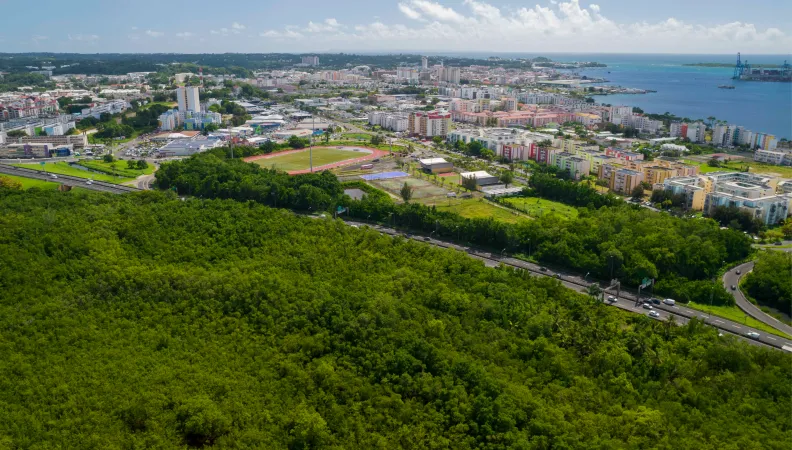 The CEROM (Comptes économiques rapides pour l'Outre-mer - Fast Economic Accounts for Overseas France) partnership brings together complementary expertise from the French National Institute of Statistics and Economic Studies (INSEE), the Monetary Issuing Institutes (IEOM/IEDOM) and Agence Française de Développement (AFD) to strengthen existing statistical information on French Overseas Territories, and, above all, to better promote it. After 20 years of existence, CEROM's work is widely known in French Overseas Territories and provides valuable support for the management of public policies.
Context
In the early 2000s, economists and statisticians from the institutions that are part of the CEROM project realized that important and high-quality statistical information on Overseas Territories existed, but that it was relatively unknown and under-exploited.
The first priority of the partnership has been to produce rapid economic accounts. The economic accounts of year n are now available in the second half of year n+1, while, before, they were only available in year n+3. Having this information earlier facilitates the analysis and economic management of the territories concerned.
Goal
The CEROM partnership aims to improve the economic information and macroeconomic analysis capacity of the French Overseas Territories, notably through:
- The construction of economic models adapted to these territories, allowing the production of rapid accounts on the basis of existing economic accounting;
- The development of cyclical indicators giving a quick overview of economic developments;
- The promotion of economic analysis of overseas collectivities and territories, by exploiting untapped data and in order to make this analysis accessible to the greatest number (production of macroeconomic balance sheets, short-term or thematic studies);
- The construction of a peers network to exchange good practices and compare methods;
- Strengthening the quality of the economic information system by bringing together statisticians, economists and users of economic data.
This partnership has also made it possible to measure for the first time the GDP of certain overseas collectivities and to produce a fine analysis of the corporate fabrics of several territories.
Method
The CEROM partnership derives from a framework agreement renewed since 2005 between the partner institutions. This agreement sets out the objectives and modalities for implementing the partnership.
The partnership is managed by partner institutions at headquarters level, and is represented locally through their offices in seven overseas territories: the five overseas departments, French Polynesia and New Caledonia. The partnership also covers other overseas communities: Wallis and Futuna, Saint-Pierre and Miquelon, Saint-Martin and Saint-Barthélemy.
The scope of the CEROM partnership is the production of economic information and databases enabling the monitoring of overseas economies, analysis and perspective of existing macroeconomic information.
Partner institutions produce economic statistics and analyses to inform public policies. The evaluation of public policies or projects, the development of programmes and development strategies have so far been beyond the scope of CEROM’s work.
Results
Partner institutions of CEROM work together on:
- The production and publication of economic studies (macroeconomic reports, sectoral studies, etc.);
- The construction of rapid economic accounts;
- The development of cyclical dashboards.
Publications from the partnership can be found on the CEROM website (in French).
In addition, every two to three years, AFD organizes with its partners a conference devoted to socio-economic or environmental issues in Oversees France. The seventh edition of these conferences was held on October 13, 2022, and dedicated to the following theme: Overseas Territories in transitions, challenges and visions of the future.
Lessons learned
Confirming the initial diagnosis that motivated its launch, the CEROM partnership shows that important statistical socio-economic information exists in the Overseas Territories, but that it was and still remains insufficiently mobilized, especially in academic circles. The use of available statistical data sources has enabled many studies to be produced over the last twenty years. However, this work presupposes taking into account the specificities and sometimes the limits of the different data sources, whether they come from INSEE, the departmental statistical services or the monetary issuing institutes.
Contacts
- Bertrand Savoye, research officer, AFD
- Stéphanie Margot, Head of the Strategy and Transversal Support Unit, Three Oceans Department, AFD